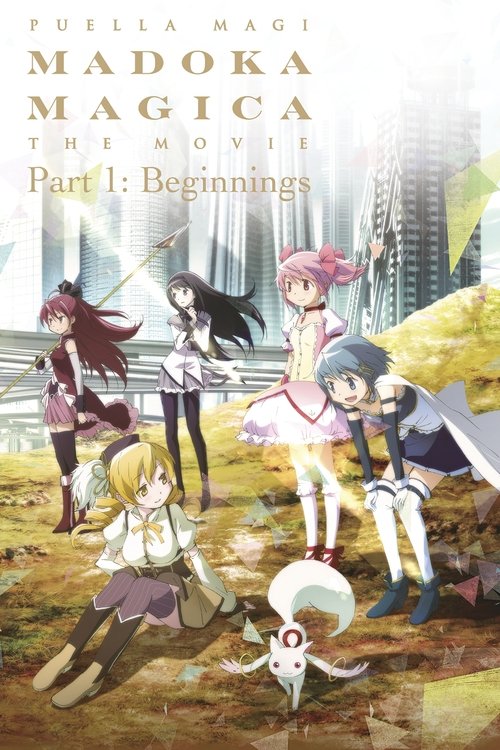
Puella Magi Madoka Magica the Movie Part I: Beginnings
2012
No user ratings available yet
Representation score: 8.0 out of 10
Representation Score
Good
2012
Not RatedDirector
Yukihiro Miyamoto
Runtime
109 minutes
Average Rating
No ratings yetNew Showbiz Analysis
The film is a sophisticated deconstruction of genre that prioritizes the empowerment of female characters over broad demographic representation. It excels by removing the male perspective and placing female characters in roles of strategic complexity and metaphysical authority. However, the work remains limited by its cultural homogeneity and a lack of explicit identity-based signals. While it delves into deep psychological landscapes, it does not feature explicit representations of neurodivergence or diverse ethnic backgrounds. Ultimately, the film's strength lies in its critical examination of exploitative power structures and its rejection of traditional moral archetypes.
Category Breakdown
The film focuses on strong emotional bonds and psychological dependence between female characters. Although it avoids labeling their relationships explicitly, these connections challenge typical heterosexual storylines.
The narrative overturns traditional gender roles by focusing on an all-female cast in a violent, existential struggle. It reinterprets the magical girl archetype through strong, intelligent characters rather than stereotypical feminine traits.
Set in a specific Japanese context, the cast remains predominantly homogeneous. The absence of ethnic diversity reflects the cultural setting rather than intentional exclusion.
The story critiques exploitative systems using a metaphor of a cosmic contract. It explores moral relativism and questions the legitimacy of predatory institutions and overarching cosmic orders.
Characters experience significant psychological trauma and existential crises that mirror mental health issues. These internal struggles are shown with ability to act, but they primarily drive the plot's darker elements.
Present on Screen
Limited or Absent
Official Synopsis
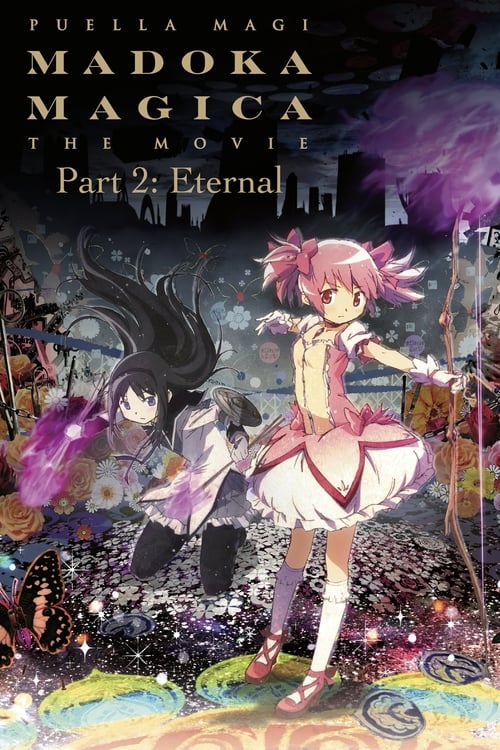
As the young girls have discovered the truth about the cruel fate of a magical girl, one magical girl after another is destroyed. Throughout it all, there is one magical girl who continues to fight alone - Homura Akemi. Puella Magi Madoka Magica the Movie Part II: Eternal is a retelling of the second half of the TV anime series.
2012
2013

2026
1989
2015
2010
2019
No reviews yet. Be the first to share your thoughts on this movie!
Use the rating form above to leave a star rating and optional review.