Risen
2016
No user ratings available yet
Representation score: 2.2 out of 10
Representation Score
Fair
2016
PG-13Director
Rodrigo García
Runtime
98 minutes
Average Rating
No ratings yetNew Showbiz Analysis
The film successfully challenges traditional gender roles by making the male protagonist vulnerable. This shift allows female characters to drive the narrative through a survival-based hierarchy. However, the film is limited by its lack of demographic diversity. The cast remains largely homogeneous, and there is no representation of LGBTQ+ identities or diverse racial backgrounds. Ultimately, the work offers a narrow but nuanced disruption of expectations. It focuses on a psychological study of moral decay and shifting power dynamics.
Category Breakdown
There are no LGBTQ+ characters or non-cisgender identities in the film. The story focuses solely on a trio that assumes everyone is straight and cisgender.
The story challenges traditional gender roles by making the male protagonist vulnerable. Female characters take on more ability to act as they navigate the survival situation.
The cast is fairly uniform, focusing on a small group in the Mojave Desert. There is no effort to include diverse racial backgrounds or break Anglo-centric norms.
The film examines moral relativism, focusing on situational ethics rather than absolute morality. It questions the stability of Western civilization by depicting social structures breaking down in the desert.
The film does not center characters with defined physical or neurodivergent disabilities. Instead, it explores psychological fragility and mental strain as a metaphorical form of disability.
Present on Screen
Limited or Absent
Official Synopsis
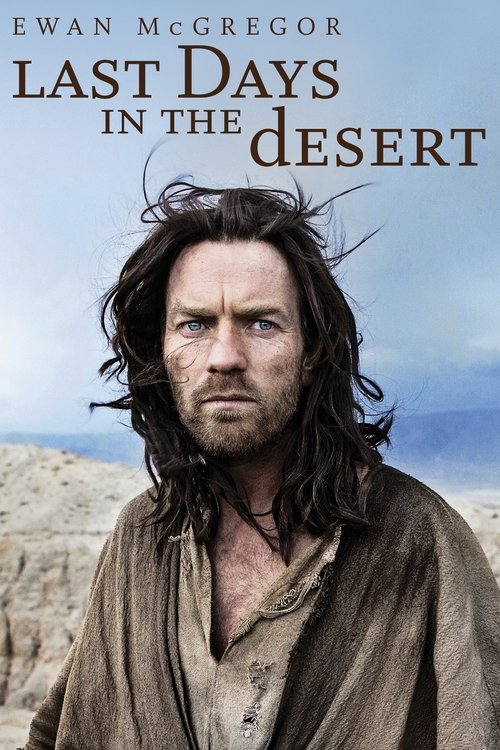
On his way out of the wilderness, Jesus struggles with the Devil over the fate of a family in crisis, setting himself up for a dramatic test.
2016
1961

2009
2003

2016

1953

2018
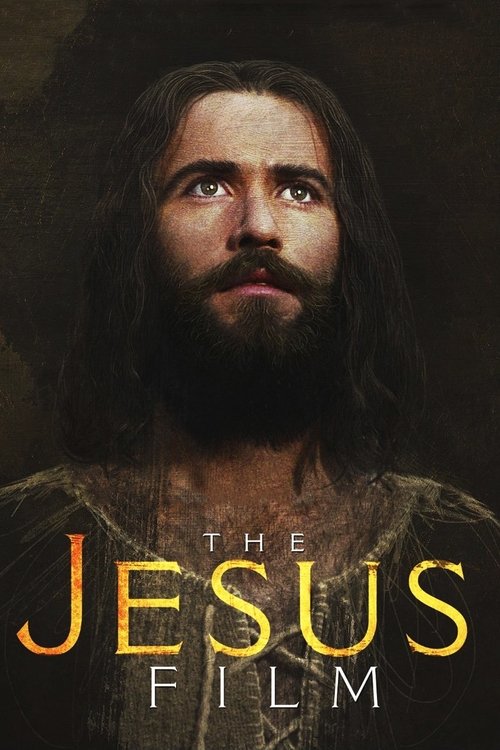
1979
No reviews yet. Be the first to share your thoughts on this movie!
Use the rating form above to leave a star rating and optional review.