
Between Pain and Amen
2019
No user ratings available yet
Representation score: 6.9 out of 10
Representation Score
Excellent
2024
Director
Denis Tarasov
Runtime
118 minutes
Average Rating
No ratings yetNew Showbiz Analysis
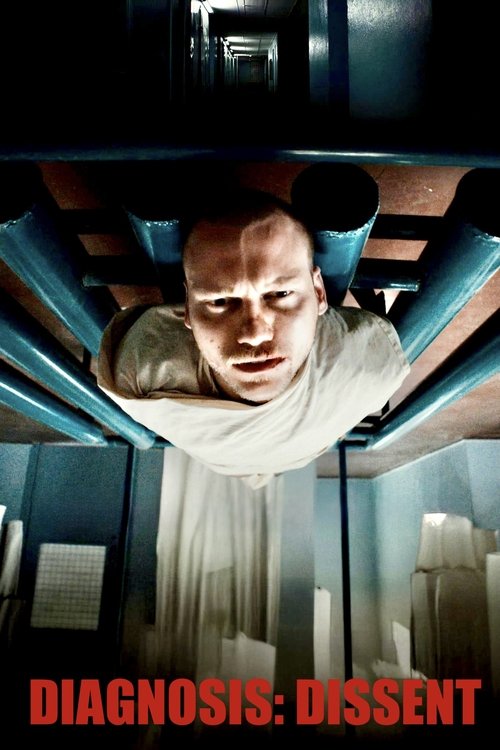
Diagnosis: Dissent is a historical drama that excels in its thematic treatment of disability and institutional corruption. By focusing on the weaponization of psychiatric diagnoses, the film provides a sophisticated critique of how medical authority can be used to suppress individual control over their lives. While the film is intellectually rigorous regarding systemic oppression, it lacks explicit detail regarding LGBTQ+ or racial representation. The narrative's strength lies in its deconstruction of state-mandated reality rather than demographic breadth. Ultimately, the film succeeds as a study of human rights and the subversion of power, using the history of punitive psychiatry to challenge traditional hierarchies.
Category Breakdown
The film explores themes of free thought and the rejection of state-mandated social norms. However, there are no specific queer characters or non-straight identities explicitly represented.
The story centers on a male protagonist's moral crisis against an oppressive system. While it critiques patriarchal power structures, the narrative primarily focuses on the individual male experience.
Set within the USSR, the film navigates a specific geopolitical landscape. The narrative focuses on the universal struggle for liberty rather than explicit ethnic diversity.
The film provides a powerful critique of totalitarian institutions. It disrupts conventional depictions of state authority by framing the Soviet psychiatric system as a corrupt tool of oppression.
The narrative offers a profound examination of neurodivergence. It exposes how mental health diagnoses were weaponized as systemic tools to strip dissidents of their social standing and ability to act.
Present on Screen
Limited or Absent
Official Synopsis
The protagonist Andrii Dovzhenko finds out a horrible truth, that has been hidden in USSR for years - most of those accused of «anti-Soviet propaganda» were never sent to prison, but to special psychiatric hospitals with a diagnosis of "slow progressive schizophrenia". Andrii finds himself in a real hell of punitive psychiatry and faces a difficult choice - to cooperate with the KGB and return to his family, or to reveal the truth about dissidents tortured in such psychiatric hospitals. The script was based on the memoirs of Soviet dissidents who faced the brutality of a totalitarian system that used so-called "punitive psychiatry" as a weapon against free thought.
2019

2016

2004

1975

2016

2019

2016

2017
No reviews yet. Be the first to share your thoughts on this movie!
Use the rating form above to leave a star rating and optional review.