
Sweet Bird of Aquarius
1970
No user ratings available yet
Representation score: 7.8 out of 10
Representation Score
Good
1973
RDirector
Ted Post
Runtime
95 minutes
Average Rating
No ratings yetNew Showbiz Analysis
The Harrad Experiment serves as a cinematic reflection of the sexual revolution, using a female-centric environment to critique patriarchal conditioning. Its strongest point is the radical shift in gender hierarchies, giving women unprecedented autonomy and control. However, the film is constrained by the demographic limitations of its era, leading to a lack of racial and ethnic diversity. While it effectively deconstructs traditional social and moral institutions, it does so within a predominantly white context. Overall, the film's progressive stance on gender and cultural relativism balances its lack of characters who reflect more than one aspect of diversity, making it a noteworthy exploration of identity and systemic power dynamics.
Category Breakdown
The film examines non-traditional relationships and female intimacy as part of its social experiment. It challenges conventional expectations by highlighting fluid interpersonal connections.
By excluding male characters, the narrative allows female characters to take full control over their social and sexual lives. It emphasizes women's intellectual independence rather than traditional submissive roles.
The film features a predominantly white cast, reflecting the demographic limitations of its time. The story does not explore racial diversity or intersecting backgrounds.
The film questions traditional Western institutions and family norms through situational ethics. It portrays established social norms as structures to be questioned through the lens of free love.
There are no prominent depictions of physical or neurodivergent disabilities. The score reflects a neutral baseline due to the absence of specific character arcs addressing these themes.
Present on Screen
Limited or Absent
Official Synopsis
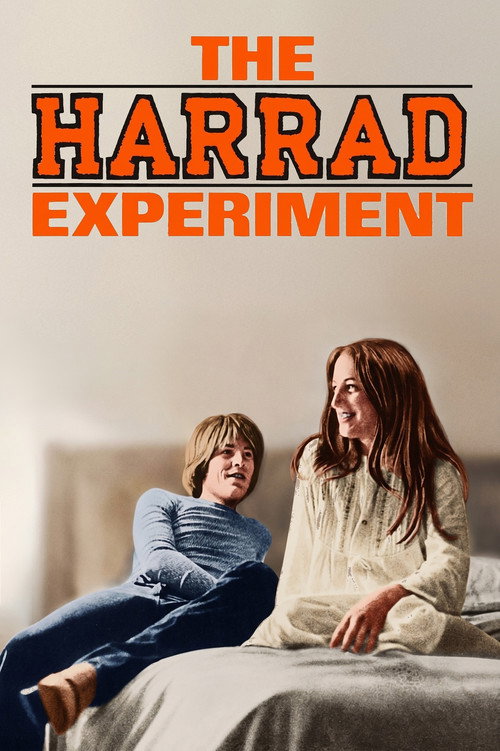
At fictional Harrad College students learn about sexuality and experiment with each other. Based on the 1966 book of the same name by Robert Rimmer, this movie deals with the concept of free love during the height of the sexual revolution which took place in the United States.
1970
1969
1970

1956
1969
1971

1968
1976
No reviews yet. Be the first to share your thoughts on this movie!
Use the rating form above to leave a star rating and optional review.