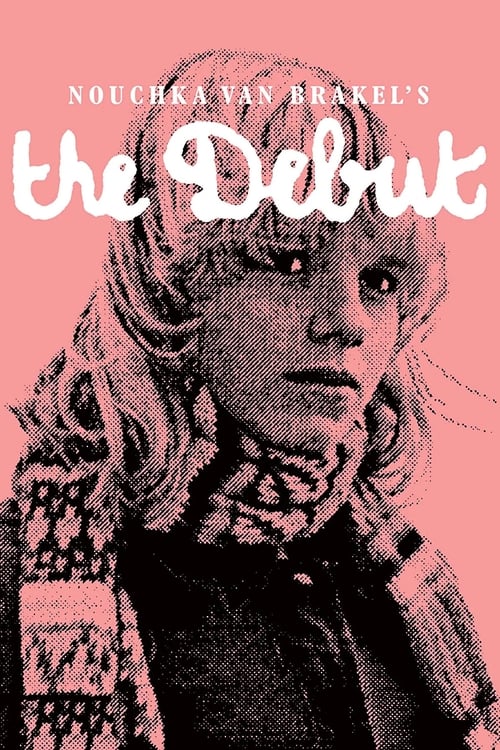
The Debut
1977
No user ratings available yet
Representation score: 5.8 out of 10
Representation Score
Good
1974
Director
José Bénazéraf
Runtime
104 minutes
Average Rating
No ratings yetNew Showbiz Analysis
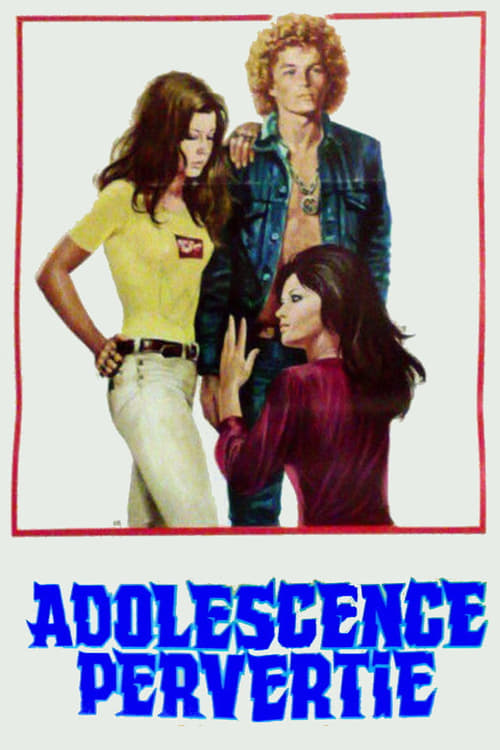
Perverted Adolescence is a study of social and sexual transgression that prioritizes the deconstruction of conventional hierarchies. It succeeds by centering a female protagonist who actively rejects patriarchal norms and institutional authority. The film's strength lies in its alignment with radical political and anti-establishment cultural themes. Mirella's character provides a complex look at her role in driving the plot and her disillusionment. However, the film lacks significant racial breadth, focusing instead on class and ideological distinctions. This creates a narrow demographic scope despite its progressive thematic content.
Category Breakdown
The film introduces queer identity through the protagonist's time in Paris with a lesbian colleague. This inclusion helps expand the narrative's exploration of sexual fluidity and non-straight relationships.
Mirella Buzzati disrupts traditional feminine archetypes through her intellectual dominance and vocal disdain for masculine structures. The story emphasizes her role in driving the plot and her refusal to conform to submissive social expectations.
The narrative appears to focus on a largely homogeneous European cast. There is no explicit evidence of significant racial or ethnic diversity within the settings of Perugia and Paris.
The film engages deeply with radical political themes, specifically through the 'Lotta Continua' movement. It critiques traditional institutional authority and explores the intersection of sexual and political revolution.
The film provides no information or depiction regarding physical or neurodivergent disabilities.
Present on Screen
Limited or Absent
Official Synopsis
Professor Mirella Buzzati, recovering from a failed relationship that ended with a divorce from her husband, travels to Perugia where she has obtained a mathematics teaching position at a high school. Her hatred of men, evident during the train ride and in her interactions with male colleagues who quickly flock to her, quickly yields to the attractiveness of Alain, a student nicknamed "the dark and handsome" by the high school girls. He already has a relationship with Giorgina, a fellow student of the same age and a fanatical militant of "Lotta Continua." In an effort to win over her idol, Mirella becomes unscrupulous in her teaching, preaches political and sexual revolution; she earns the headmaster's rebukes, and heaps scathing criticism on her rival Giorgina. After a stint in Paris with a lesbian colleague, the professor resumes her attack and obtains Alain's physical performance, but not her love: the boy understands her well and deeply despises her.
1977
1989
1991

1980
1976
2006

2009
1986
No reviews yet. Be the first to share your thoughts on this movie!
Use the rating form above to leave a star rating and optional review.