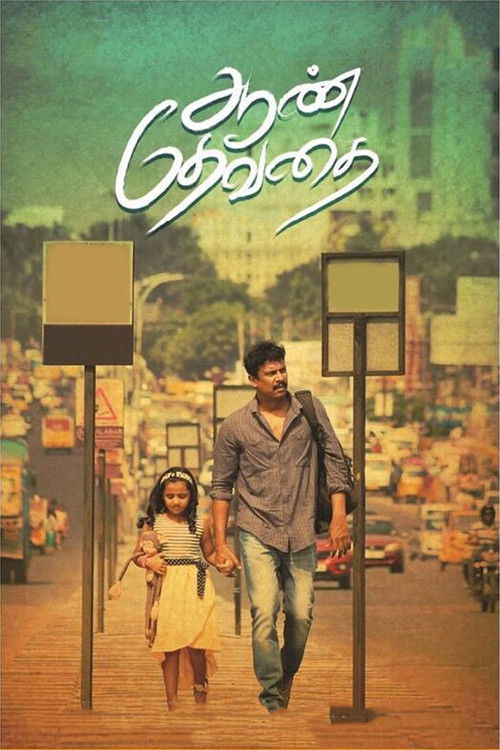
Aan Devathai
2018
No user ratings available yet
Representation score: 3.6 out of 10
Representation Score
Fair
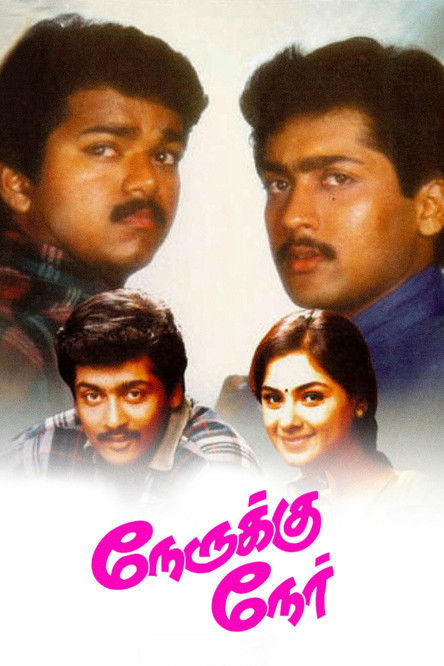
1997
Not RatedDirector
Vasanth
Runtime
151 minutes
Average Rating
No ratings yetNew Showbiz Analysis
Nerrukku Ner is a traditional social drama that centers on domestic conflict and class-based tension. It adheres to the established social norms of its time, focusing on the aftermath of a divorce between Raghu and Shanti. The film's structure relies on masculine-driven conflict, with male characters and their brothers driving the plot. While it offers a localized study of socioeconomic stratification, it maintains a conservative approach to gender roles. Overall, the film serves as a typical example of regional commercial cinema, emphasizing kinship and local demographics rather than intentional diversity or systemic critique.
Category Breakdown
The film follows the conventions that assume everyone is straight and cisgender, with no representation of LGBTQ+ identities or same-sex relationships.
The narrative emphasizes male-driven conflict and control over the story. Female characters mainly play roles within the home or act as catalysts for male-driven drama.
The cast reflects the local South Indian population, avoiding Western-centric casting and focusing on a localized environment.
The story examines class disparity by comparing middle-class life with the criminal underworld. It highlights family loyalty and the social consequences of individual actions.
There are no characters with visible or invisible disabilities. Disability is not used as a central theme or for character development.
Present on Screen
Limited or Absent
Official Synopsis
Raghu and Shanti are divorced couple which sparks problems between both respective younger brothers.
2018

2020

2017

2011
2009

1991
1992

2022
No reviews yet. Be the first to share your thoughts on this movie!
Use the rating form above to leave a star rating and optional review.