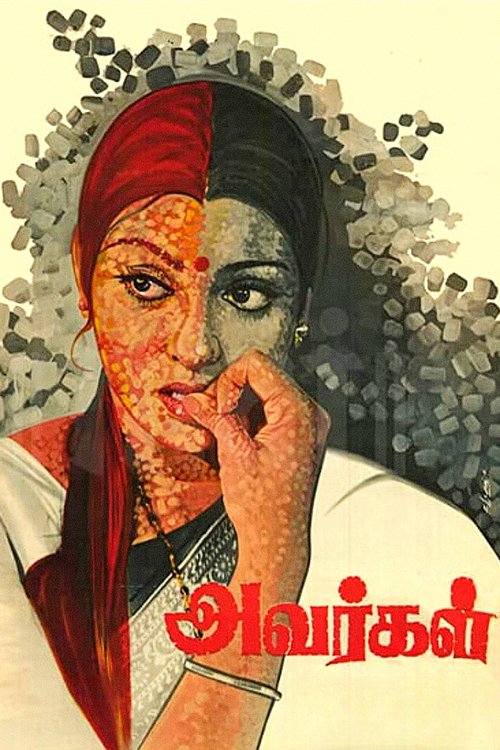
Avargal
1977
No user ratings available yet
Representation score: 5.1 out of 10
Representation Score
Fair
1991
Director
K. Balachander
Runtime
155 minutes
Average Rating
No ratings yetNew Showbiz Analysis
K. Balachander’s direction enhances this drama by focusing on nuanced character studies rather than formulaic clichés. The film stands out particularly in its portrayal of disability, presenting sensory experience as a source of empowerment rather than a mere plot device for pity. While the film shines in emotional depth and regional authenticity, it remains rooted in traditional romantic and familial structures. This adherence to conventional social values limits its potential for cultural subversion or LGBTQ+ representation. Ultimately, the work challenges rigid masculine archetypes and shifts the focus from physical sight to emotional perception, making it a notable character study despite its traditional framework.
Category Breakdown
The film follows a strict focus on straight relationships and traditional gender roles, with no representation of LGBTQ+ individuals or non-cisgender identities.
Women play a significant role in driving the main conflict and resolution. The male lead avoids the typical stoic patriarch stereotype by showing empathy and vulnerability.
The film centers on a specific South Indian identity and traditional social structures, avoiding a Western-centric perspective through authentic regional representation.
The narrative emphasizes family sanctity and interpersonal harmony, operating within traditional social values without challenging institutional or secularist ideologies.
Visual impairment is portrayed with sophistication, highlighting enhanced auditory perception. The disability is woven into the character's identity without relying on pity.
Present on Screen
Limited or Absent
Official Synopsis
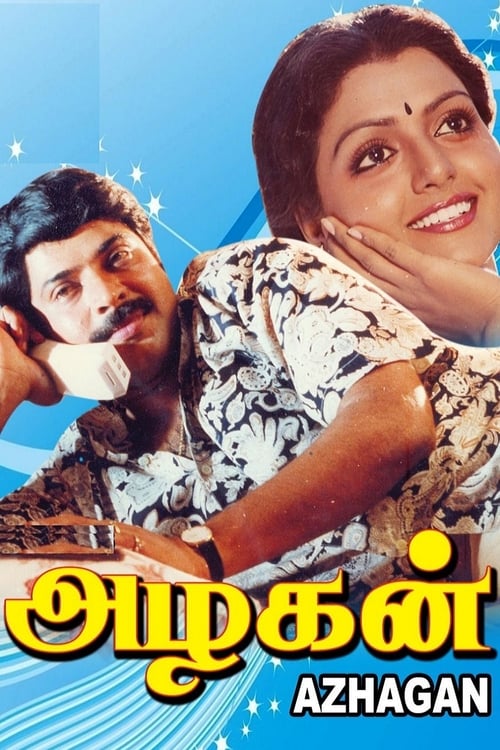
Azhagappan, a handsome widower with four children, gets caught in a dilemma where three different women are in love with him. Soon, the children devise a plan so that he gets married to one of them.
1977

2014

1999
2009
1999
1976
1975

1999
No reviews yet. Be the first to share your thoughts on this movie!
Use the rating form above to leave a star rating and optional review.