
Diaries, Notes, and Sketches
1968
No user ratings available yet
Representation score: 8.0 out of 10
Representation Score
Fair
1966
Director
Jonas Mekas
Runtime
12 minutes
Average Rating
No ratings yetNew Showbiz Analysis
Jonas Mekas creates a unique documentary that emphasizes personal experiences over institutional truths. By mixing diary-like footage with police audio, the film highlights the tension between individual freedom and systemic control. Though the film does not feature high levels of demographic representation, it strongly critiques authority and rigid social structures. It serves as a powerful record of the counterculture movement, celebrating spaces outside mainstream society.
Category Breakdown
The film doesn't explicitly focus on LGBTQ+ characters or stories, but it celebrates lifestyles that go against traditional norms, supporting queer existence.
The documentary observes a specific community without focusing on overturning gender hierarchies. Instead, it documents a space where non-traditional social dynamics can thrive.
The film focuses on the Millbrook estate and its residents during a specific time period. It does not show a diverse cast or emphasize racial diversity.
Jonas Mekas uses his film to criticize Western institutions. By combining serene visuals with authoritative police audio, he highlights the value of countercultural lifestyles against oppressive state narratives.
The film does not address disability or neurodivergence as part of the narrative.
Present on Screen
Limited or Absent
Official Synopsis
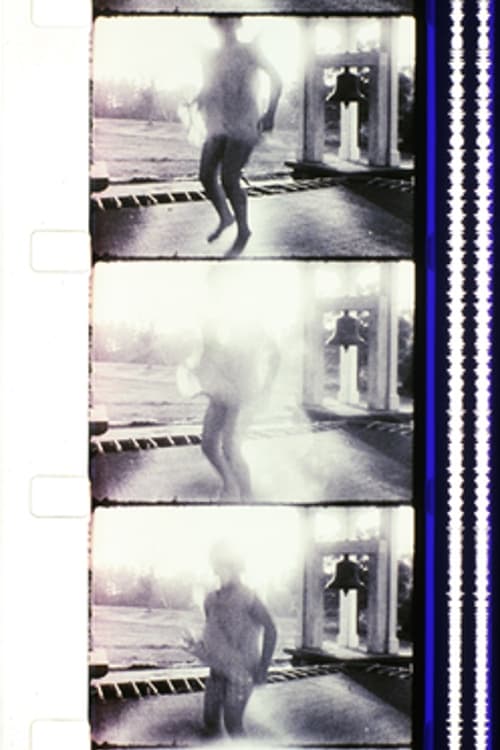
Jonas Mekas documents Timothy Leary’s Millbrook estate in the wake of a police raid, juxtaposing serene images of the property with audio of officials justifying their actions. Blending diary footage with subversive reportage, the film exposes the gap between perception and authority, offering an oblique portrait of the counterculture and its suppression.
1968

1961

1968

2010

2006

2021

2020

2008
No reviews yet. Be the first to share your thoughts on this movie!
Use the rating form above to leave a star rating and optional review.