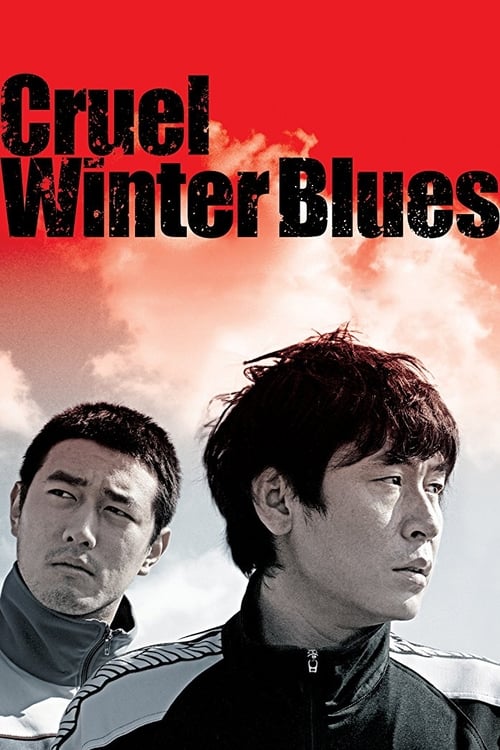
Cruel Winter Blues
2006
No user ratings available yet
Representation score: 4.9 out of 10
Representation Score
Minimal
2006
Not RatedDirector
Kang Suk-bum
Runtime
116 minutes
Average Rating
No ratings yetNew Showbiz Analysis
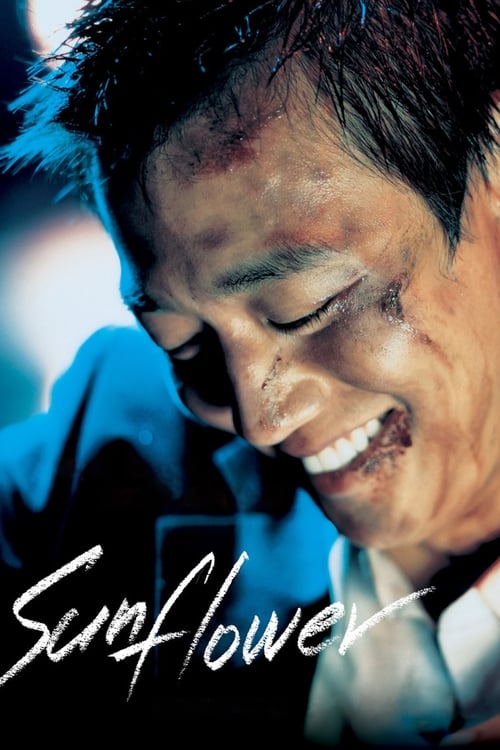
Sunflower is a crime drama centered on a protagonist's attempt to find redemption through domestic stability. The narrative relies heavily on traditional clichés, focusing on the tension between individual morality and organized crime hierarchies. The film operates within very conventional social frameworks, prioritizing themes of masculinity, protection, and localized social realism rather than exploring diverse social structures. While the film offers a compelling look at reintegration after incarceration, it lacks representation across most modern diversity metrics, sticking to established archetypes of crime and family.
Category Breakdown
The film does not include any LGBTQ+ characters or stories about non-traditional gender identities. It focuses on traditional family and criminal social structures.
A female character serves as a catalyst for redemption by offering sanctuary. However, the film relies on conventional gender roles of caretaking and traditional masculine archetypes of physical confrontation.
As a South Korean production, the film depicts a largely homogeneous population. It avoids harmful stereotypes but does not actively engage in racial blending or ethnic disruption.
The story explores the clash between a desire for a stable family unit and aggressive capitalist interests. It reinforces traditional notions of justice through a narrative of vigilantism.
There is no evidence of characters with physical, sensory, or neurodivergent disabilities within the narrative.
Present on Screen
Limited or Absent
Official Synopsis
Tae-sik gets out of a prison after spending 10 years for killing a man and wishes nothing but an ordinary life. A local lady welcomes him into her household like a son and he gets a second chance in life. His former gang tries to destroy his new home in order to build a night club but he won’t let them destroy his new family.
2006

2009

2006

1998

2021
2014
2016
2006
No reviews yet. Be the first to share your thoughts on this movie!
Use the rating form above to leave a star rating and optional review.