À tout de suite
2004
No user ratings available yet
Representation score: 8.0 out of 10
Representation Score
Limited
2008
Not RatedDirector
Götz Spielmann
Runtime
121 minutes
Average Rating
No ratings yetNew Showbiz Analysis
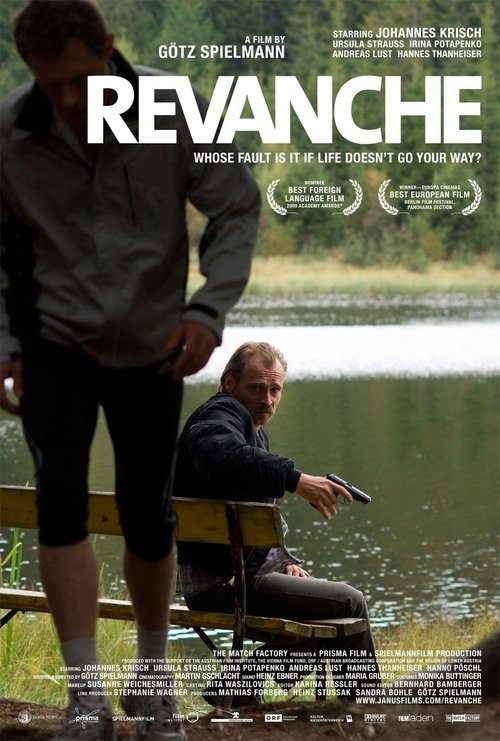
Revanche is a somber, psychological character study that prioritizes the exploration of grief and trauma over social commentary. It operates within a traditional European dramatic framework, focusing on the internal landscapes of its protagonists. Because the film is deeply rooted in a specific, localized Austrian context, it presents a demographic that aligns with a homogeneous social reality. It does not utilize color-blind casting or intentional diversification. Ultimately, the film avoids contemporary progressive narrative frameworks or the subversion of social hierarchies. It leans toward an existentialist view of human suffering rather than identity politics.
Category Breakdown
The film lacks prominent LGBTQ+ characters or stories that challenge the assumption that everyone is straight or cisgender. Romantic and sexual dynamics are centered entirely within straight-centered structures.
Gender dynamics focus on the psychological fallout of loss and emotional distance. The film maintains a conventional approach to gendered emotional expression and stoicism.
The casting reflects a homogeneous Austrian social landscape. There are no characters of color or non-Anglo-Saxon identities portrayed with narrative ability to act.
The narrative explores morality through individual psychological complexity rather than systemic critique. It avoids political deconstructions of Western values like family or authority.
There are no significant depictions of visible or invisible disabilities. Character struggles remain focused on emotional and psychological trauma rather than physical or neurodivergent conditions.
Present on Screen
Limited or Absent
Official Synopsis
Alex, an ex-con working as muscle in a Vienna brothel, dreams of escaping with his girlfriend Tamara, who also works there. Their attempt to break free sets off a chain of events that links their fate with a rural police officer and his troubled marriage. As their lives intersect, a quiet struggle unfolds between guilt, grief, and the desire for redemption.
2004

2019
1981
2008

2016

2007

1996

1990
No reviews yet. Be the first to share your thoughts on this movie!
Use the rating form above to leave a star rating and optional review.