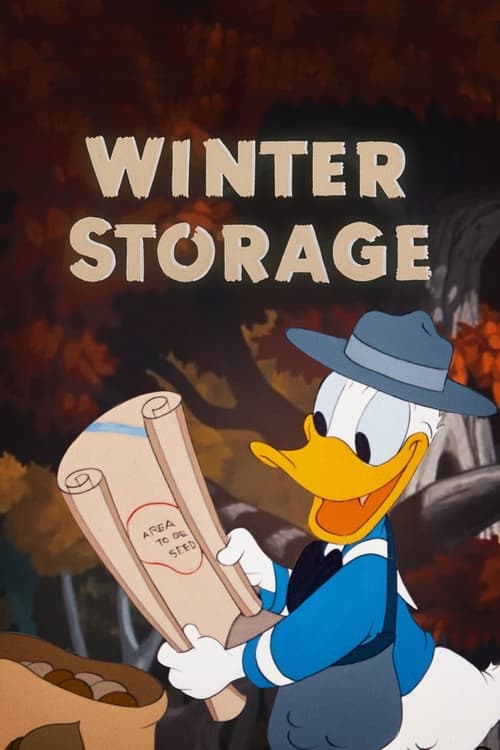
Winter Storage
1949
No user ratings available yet
Diversity score: 1.7 out of 10
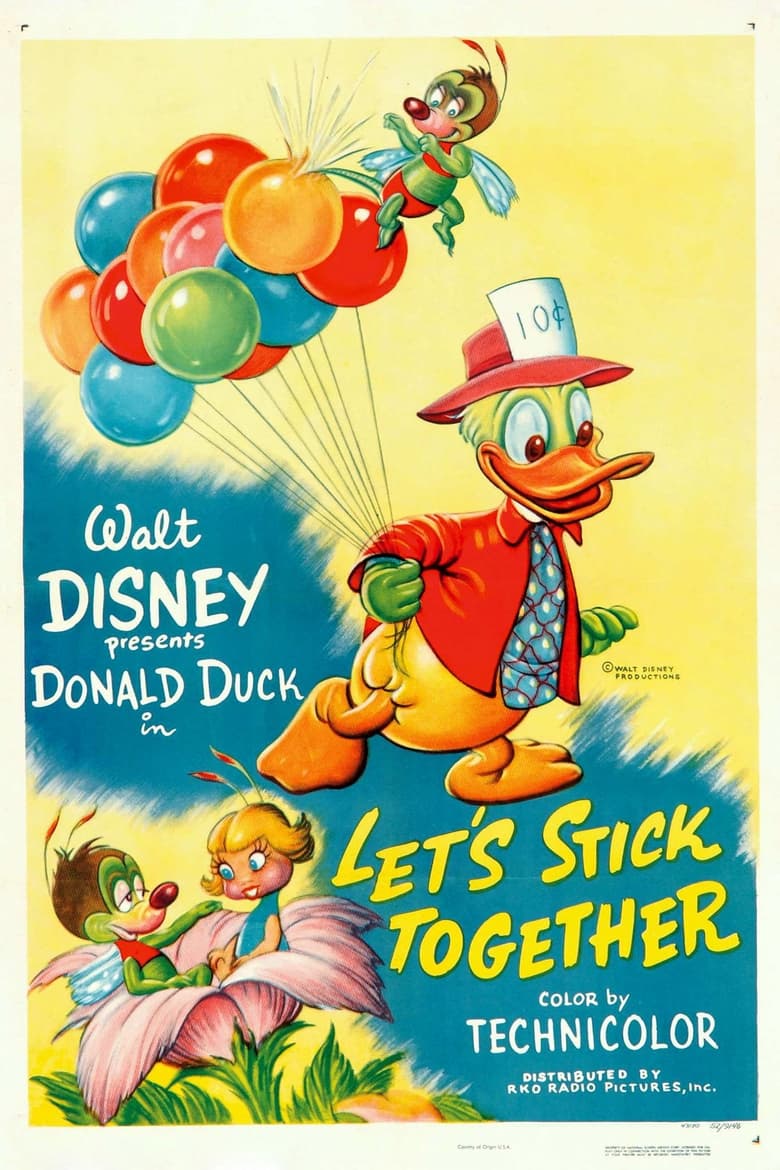
1952
NRDirector
Jack Hannah
Runtime
7 minutes
Average Rating
No ratings yetSynopsis
Even with his long white beard and aching back, an aging Donald still has to make ends meet by lancing trash in the park. When he happens upon his old partner, an elderly honey bee named Spike, it conjures up memories of the good ol' days.
Overall Score
Minimal
Category Breakdown
LGBTQ+ Representation
The film lacks any LGBTQ+ characters or explorations of non-heteronormative identities. The story focuses entirely on a platonic reunion between two aging male characters.
Gender Representation
The narrative centers on male-coded characters, Donald and Spike. There is a notable absence of female agency or gender-diverse perspectives within this 1950s comedic framework.
Racial & Ethnic Diversity
As an anthropomorphic animation, the film avoids racial or ethnic identity. The cast is composed of non-human characters, bypassing human racial discourse entirely.
Religious & Cultural Diversity
The story touches on the socioeconomic struggle of an aging worker. However, it lacks religious subversion or any significant critique of Western institutions.
Disability Representation
Donald’s aching back serves as a depiction of physical decline due to aging. This vulnerability is used more as a sympathetic character trait than a nuanced disability study.
Strengths
Areas for Improvement
AI Analysis
This 1952 animated short is a character-driven vignette focused on nostalgia and the realities of aging. Because it relies on anthropomorphic animals, it avoids human social complexities like race and ethnicity, resulting in very low scores in those categories. The film adheres to the traditionalist comedic archetypes of its era. It prioritizes a male-centric narrative, leaving little room for gender diversity or LGBTQ+ representation. The focus remains strictly on the personal history between Donald and Spike. While the film touches on physical vulnerability through Donald's aging body, it treats these traits as comedic or sentimental elements. Ultimately, the work functions as a standard period piece rather than a vehicle for social commentary.
1949
1950
1951
1955
1948
1955
1948
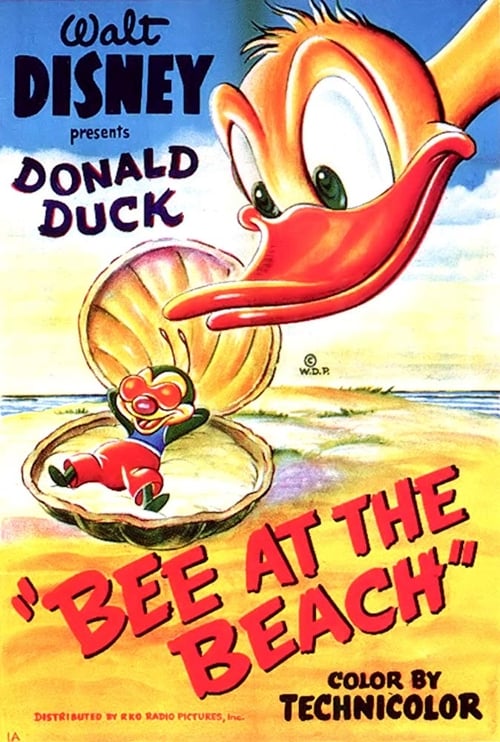
1950
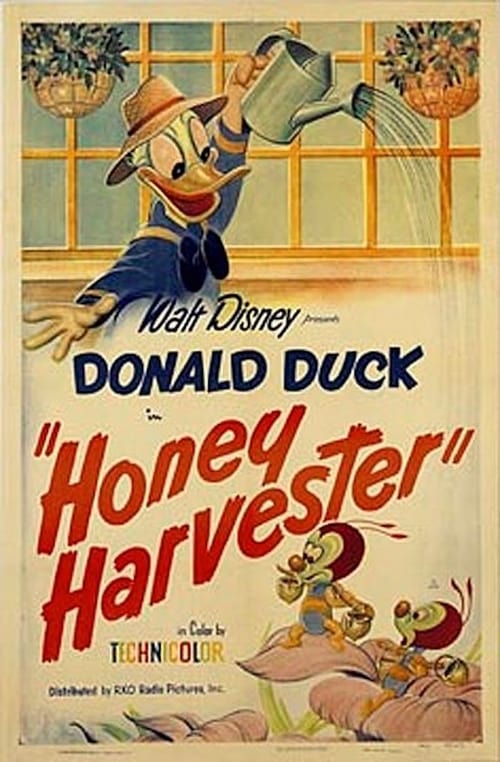
1949
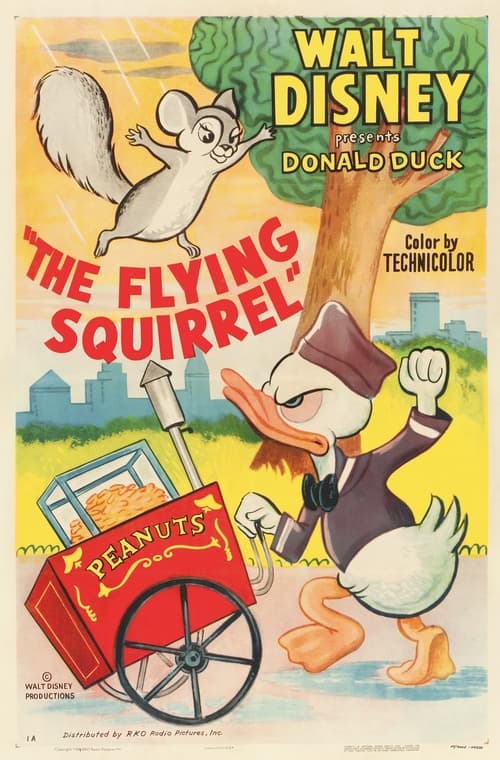
1954
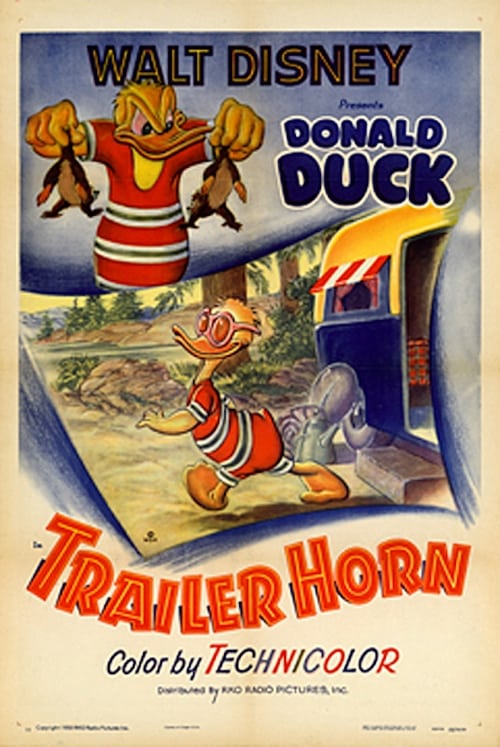
1950
1953
No reviews yet. Be the first to share your thoughts on this movie!
Use the rating form above to leave a star rating and optional review.