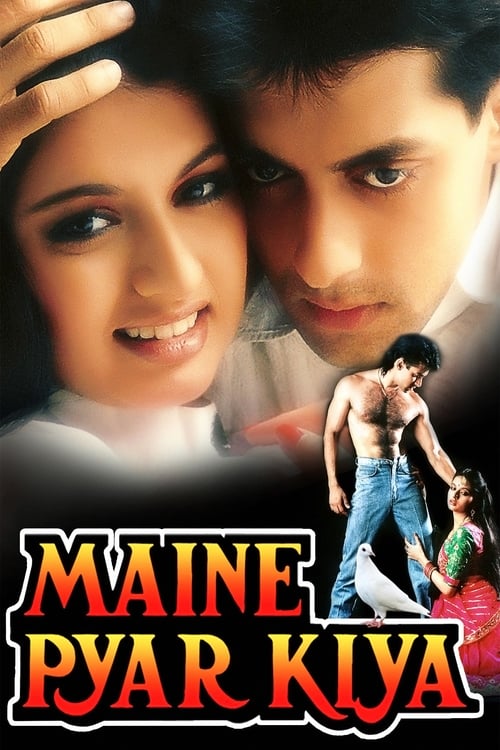
Maine Pyar Kiya
1989
No user ratings available yet
Representation score: 0.9 out of 10
Representation Score
Minimal
1994
TV-14Director
Sooraj Barjatya
Runtime
207 minutes
Average Rating
No ratings yetNew Showbiz Analysis
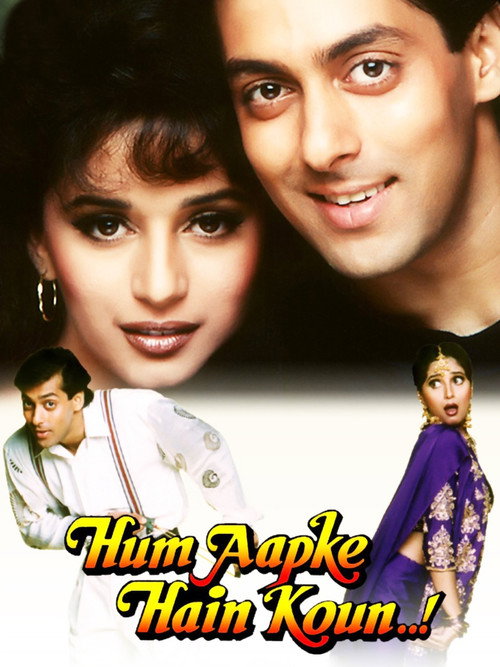
Hum Aapke Hain Koun..! serves as a quintessential example of traditional narrative construction. It excels at fostering a sense of social cohesion and domestic harmony, presenting a stable view of family life. However, this stability comes at the expense of diversity. The film reinforces existing social hierarchies rather than challenging them. By prioritizing the preservation of established structures, the story avoids any subversive or individualistic character arcs that might question the status quo. Ultimately, the film offers a singular, idealized cultural norm. It provides a deep look into a specific ethnic identity but fails to represent a wider, more inclusive social reality.
Category Breakdown
The film adheres to a strictly straight-centered framework. It does not include any representation of LGBTQ+ identities or same-sex relationships.
Women are primarily shown in relational roles such as daughter or bride. Nisha exhibits spirited involvement but her storyline revolves around upholding family traditions and modesty.
The social setting is highly uniform, centered on a specific middle-class Hindu community. It lacks a broad range of ethnic perspectives and diverse backgrounds.
The narrative emphasizes traditional institutions and religious practices. It prioritizes familial duties and collective stability over individual desires or secular views.
There is no representation of visible or invisible disabilities. Characters exist within a typical able-bodied context without addressing neurodivergence or physical impairments.
Present on Screen
Limited or Absent
Official Synopsis
Prem and Nisha meet and fall in love at the wedding of their elder siblings, but their plans to be together are put in jeopardy when Nisha's sister dies, leaving behind a baby.
1989

1999
1991
1998
1999

2000
1997

1998
No reviews yet. Be the first to share your thoughts on this movie!
Use the rating form above to leave a star rating and optional review.