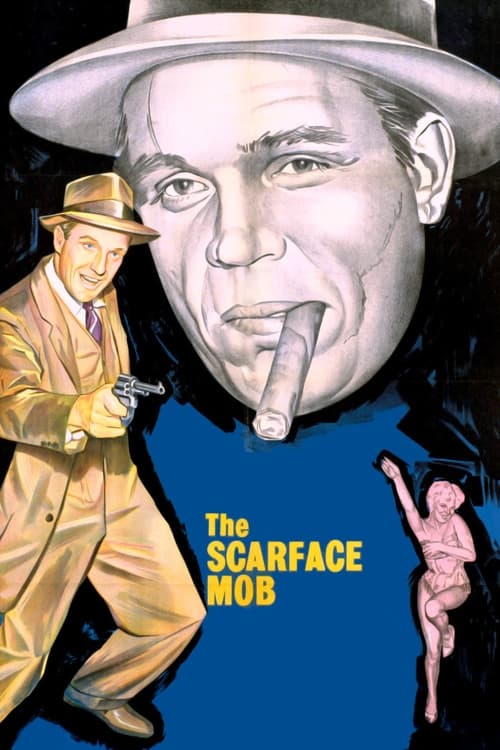
The Scarface Mob
1959
No user ratings available yet
Representation score: 0.5 out of 10
Representation Score
Minimal
2002
RDirector
Richard Standeven
Runtime
120 minutes
Average Rating
No ratings yetNew Showbiz Analysis
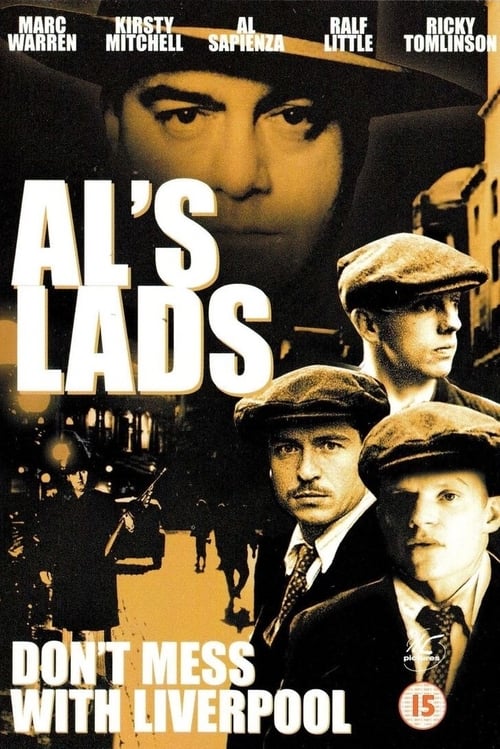
Al's Lads operates strictly within the traditional boundaries of the historical crime drama. The narrative prioritizes a specific demographic of English male laborers during the Prohibition era, which limits the scope for storytelling that reflects multiple aspects of identity. The film adheres to conventional masculine-driven plot progression. By focusing on the transition from service work to organized crime, it explores class structures but stays within established genre clichés. Ultimately, the production reflects the era's standard crime fiction, favoring traditional social hierarchies over the subversion of systemic norms.
Category Breakdown
The film does not include any characters with non-binary gender identities. The story focuses on a male-dominated criminal enterprise.
The story centers on a male-dominated hierarchy of waiters and gangsters. There is no visible evidence of women's ability to drive the story or the subversion of traditional gender roles.
The cast appears predominantly Anglo-Saxon, focusing on English protagonists. While the Capone syndicate implies an Italian-American presence, significant racial blending is not evident.
The film explores class mobility through the lens of criminality. It examines the disruption of social hierarchies but lacks explicit secularist or anti-capitalist themes.
There is no information regarding the portrayal of physical or neurodivergent characters in this production.
Present on Screen
Limited or Absent
Official Synopsis
Three Englishmen working as waiters on a cruise ship in 1927 are given a chance to work for the Al Capone gang.
1959

1939
1926

1932
1929

1967
1995

1972
No reviews yet. Be the first to share your thoughts on this movie!
Use the rating form above to leave a star rating and optional review.