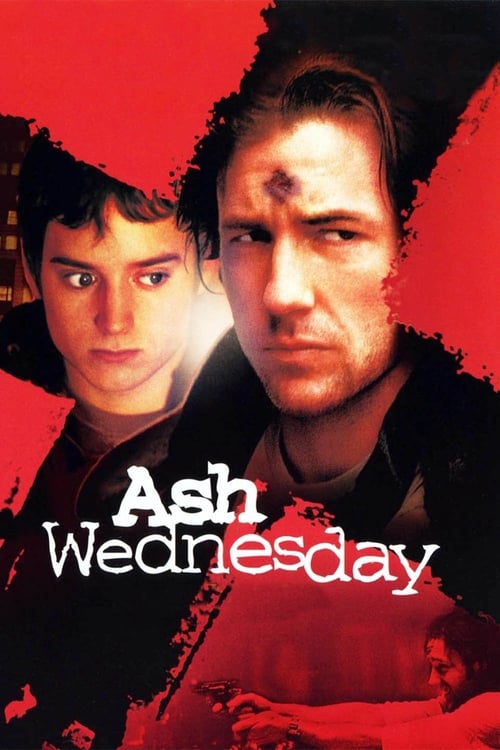
Ash Wednesday
2002
No user ratings available yet
Representation score: 1.9 out of 10
Representation Score
Minimal
1988
PG-13Director
Michael Switzer
Runtime
96 minutes
Average Rating
No ratings yetNew Showbiz Analysis
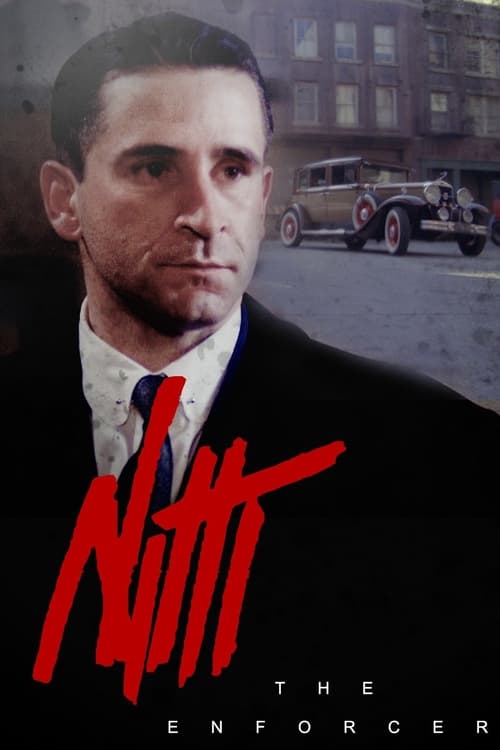
Frank Nitti: The Enforcer is a period crime drama that adheres to historical genre conventions. The narrative revolves around the hyper-masculine power dynamics of the Chicago underworld, focusing on the rise of a ruthless male successor. While the film offers a specific look at the Italian-American experience, it does so through a homogeneous lens. The story lacks depth in representing LGBTQ+ identities and diverse racial groups, reinforcing traditional gender roles and ethnic power structures.
Category Breakdown
The film does not include any characters or narratives related to LGBTQ+ identities or non-binary genders. It follows the traditional assumption that everyone is straight and cisgender.
The story emphasizes hyper-masculine power structures and the 'Enforcer' character type. Women tend to play traditional roles within society rather than challenging these roles.
The film focuses on the Italian-American experience during the early 20th century in Chicago. While it provides cultural depth, the power dynamics remain largely homogeneous.
The movie is a traditional crime epic centered on individual criminals. It does not offer a systemic critique of institutions, focusing instead on underworld clichés.
There are no characters with disabilities playing central roles or significant plot devices in the film.
Present on Screen
Limited or Absent
Official Synopsis
Al Capone may be the most famous Chicago mobster, but his successor, Frank "The Enforcer" Nitti (Anthony LaPaglia), was just as ruthless. This biopic goes to great lengths to accurately trace Nitti's rise to the top of the Windy City's underworld, amid corruption, betrayal and violence. The result is an engrossing glimpse into mob life in the early 20th century.
2002
1996
1959

1967
1992

1990
1980

2010
No reviews yet. Be the first to share your thoughts on this movie!
Use the rating form above to leave a star rating and optional review.