
The Crowd Roars
1938
No user ratings available yet
Representation score: 0.4 out of 10
Representation Score
Minimal
1929
PassedDirector
Benjamin Stoloff
Runtime
62 minutes
Average Rating
No ratings yetNew Showbiz Analysis
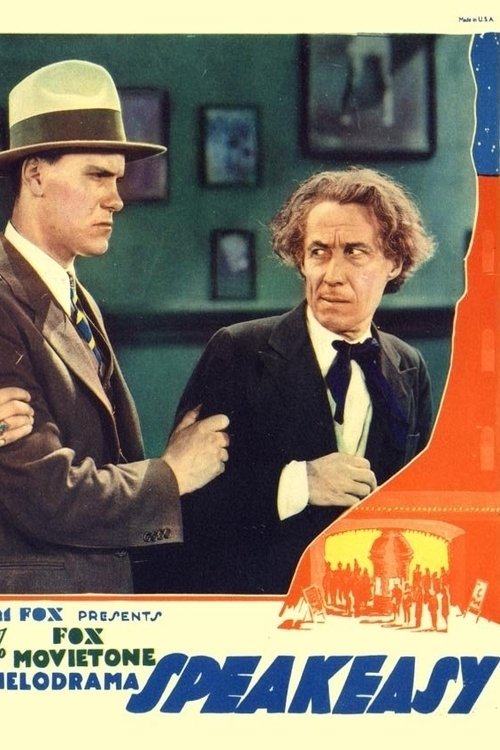
Speakeasy is a conventional period drama that closely follows the norms of the late 1920s. While it avoids some common pitfalls of the era, it lacks the complexity needed for a progressive score. The film's main strength is its female protagonist, who demonstrates professional competence and ability to act. However, it fails to represent racial, LGBTQ+, or disability diversity. Ultimately, the film serves as a standard drama centered on professional betrayal and athletic competition, offering little in the way of social critique or diverse perspectives.
Category Breakdown
The film does not include any characters with LGBTQ+ identities or same-sex relationships. It follows a traditional storyline focused on professional and athletic pursuits.
Alice Woods stands out as a proactive journalist who drives the plot forward. She challenges passive female stereotypes by convincing her editor to investigate a story, although her broader impact on gender roles is not fully explored.
The cast is entirely Anglo-Saxon, with no evidence of diverse racial backgrounds. Given the time period, the narrative likely reflects the homogeneity of casting practices in the 1920s.
The story centers on individual morality and professional ethics within journalism and sports. It uses Western institutional norms without questioning them.
The narrative does not feature any characters dealing with physical, sensory, or neurodivergent conditions.
Present on Screen
Limited or Absent
Official Synopsis
Newspaper staffer Alice Woods persuades the editor to allow her to chase a story, that of prizefight contender Martin, who is about to fight for the championship. However, he does not know that his manager is preparing to double-cross him.
1938

1956

1929

1949
2002
1929
1949
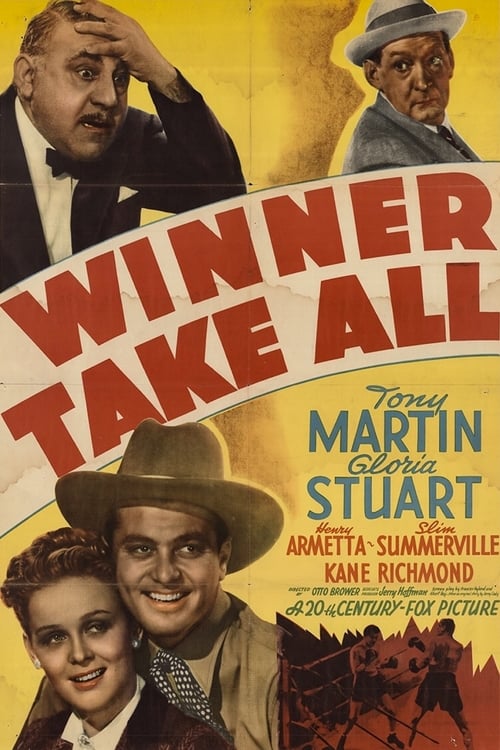
1939
No reviews yet. Be the first to share your thoughts on this movie!
Use the rating form above to leave a star rating and optional review.