The Unsuspected
1947
No user ratings available yet
Diversity score: 2.7 out of 10
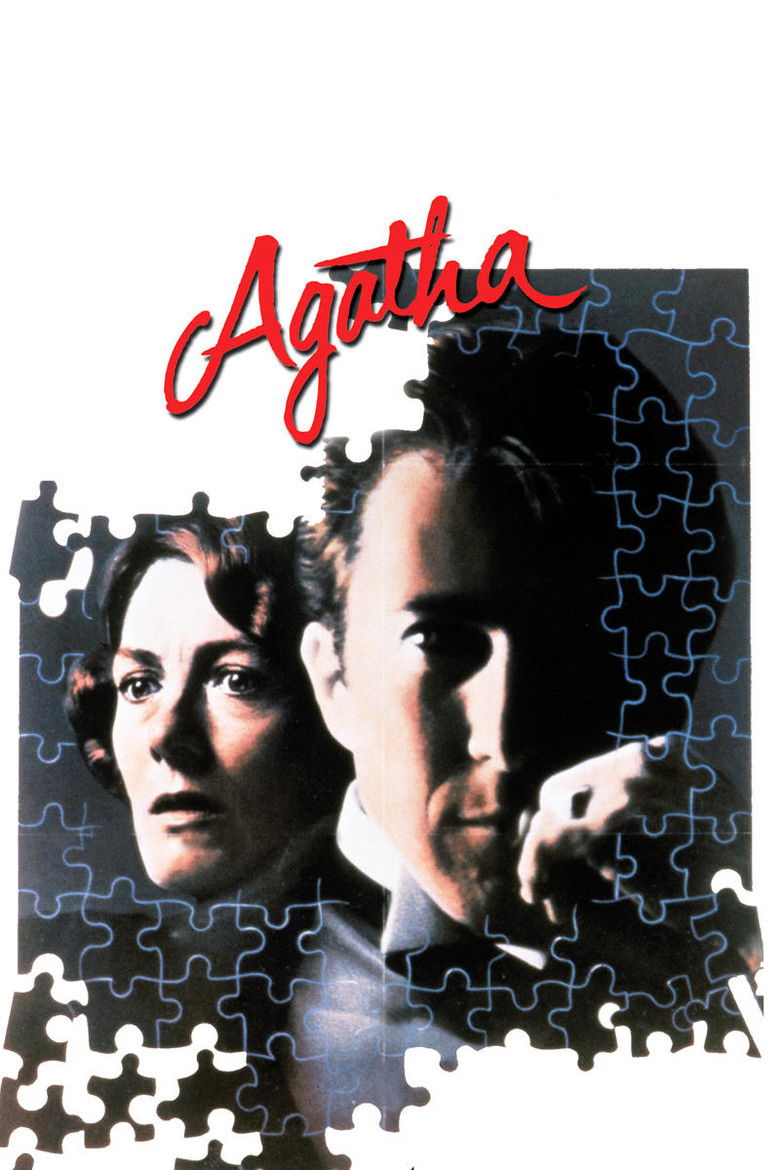
1979
PGDirector
Michael Apted
Runtime
99 minutes
Average Rating
No ratings yetSynopsis
England, 1926. An American journalist looks for mystery writer Agatha Christie when she suddenly disappears without explanation, leaving no trace.
Overall Score
Limited
Category Breakdown
LGBTQ+ Representation
The film adheres to the heteronormative social structures of 1926. No non-cisnormative identities or same-sex intimacy are depicted within the central character arcs.
Gender Representation
The narrative highlights the intellectual agency of the female lead. It depicts the friction between traditional domestic expectations and the pursuit of professional authority.
Racial & Ethnic Diversity
The cast is predominantly homogeneous, reflecting the historical context of a 1920s British biographical drama. There is a lack of intersectional or diverse ethnic representation.
Religious & Cultural Diversity
The film operates within the established Western social order of the early 20th century. It focuses on the personal psychological landscape rather than deconstructing institutions.
Disability Representation
There are no prominent depictions of physical or neurodivergent disabilities. No such elements serve as central drivers for the narrative or character development.
Strengths
Areas for Improvement
AI Analysis
Agatha (1979) is a period-specific biographical study that prioritizes psychological depth over demographic breadth. It reflects the historical homogeneity of the 1920s British middle class. While the film lacks intersectional diversity, it offers progressive value through its gendered narrative. The protagonist's intellectual life serves as a vital force that disrupts traditional social expectations. The film succeeds in subverting the trope of the passive female figure, framing professional agency as a primary driver of the plot.
1947
2005
1964
1962

1987
1964
1982
1981
2013
1997
2006
1948
No reviews yet. Be the first to share your thoughts on this movie!
Use the rating form above to leave a star rating and optional review.