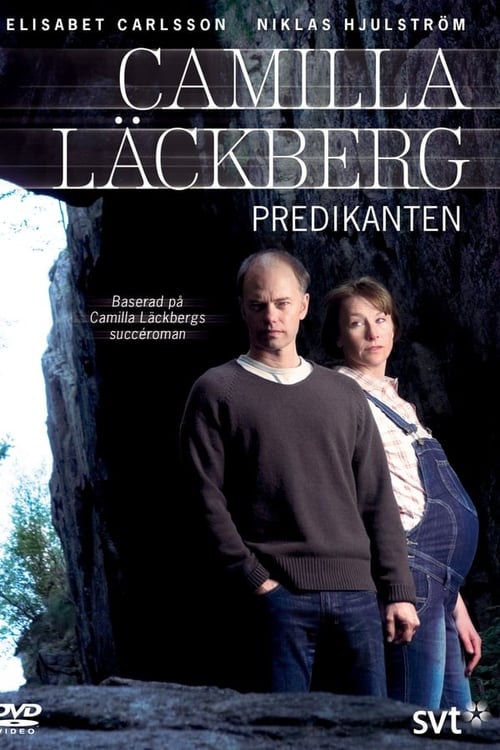
Camilla Läckberg: The Preacher
2007
No user ratings available yet
Representation score: 3.7 out of 10
Representation Score
Fair
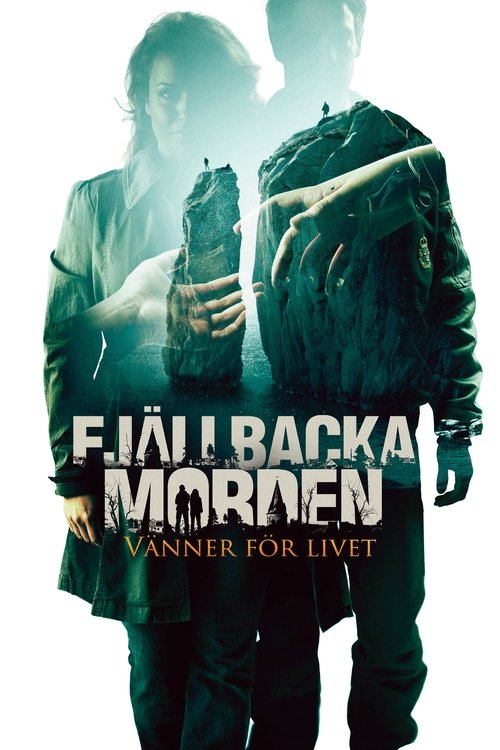
2013
Director
Richard Holm
Runtime
90 minutes
Average Rating
No ratings yetNew Showbiz Analysis
The film stands out with a strong, actively leading female lead in Erica Falck, who challenges the male-dominated clichés of the crime procedural. Her intellectual authority and professional complexity drive the narrative forward. However, the film is limited by its narrow demographic scope. The cast is largely homogeneous, reflecting a localized Swedish setting that lacks racial, ethnic, or LGBTQ+ diversity. Ultimately, while the character work for the protagonist is nuanced, the social landscape remains conventional and lacks the multi-layered breadth needed for a higher diversity score.
Category Breakdown
The film does not include any LGBTQ+ characters or explore non-straight identities. The social environment stays traditional without any queer narratives to challenge the status quo.
Erica Falck is a strong central protagonist who disrupts gender hierarchies by taking a leading role in the investigation. The story highlights her ability to drive the narrative through her professional and personal journey.
The cast is predominantly homogeneous, reflecting the localized demographics of a Swedish coastal town. There is little to no diversity in terms of race or ethnicity.
The narrative follows traditional Western storytelling, focusing on individual mystery-solving without critiquing Western institutions or leaning into secular themes.
There are no characters with visible or invisible disabilities portrayed with significant roles. The focus remains on psychological trauma rather than lived experiences of disability.
Present on Screen
Limited or Absent
Official Synopsis
The successful detective writer, Erica Falck, is thinking that her next book should be based on a true mysterious event from her childhood. When she was only 13 years old one of her dear friends and classmate Peter boarded a bus and then disappeared. Erica has been unable to let go of the tragic event and her first meeting with a real mystery. As she starts digging deeper into what really happened to Peter it seems as if she has awakened a sleeping beast. When Erica's only connection to Peter, his brother Ivan, who is on his way to see her, gets stabbed and murdered her mission becomes not only to solve the mystery about Peter but also to find out who killed Ivan. During a high school reunion party the heat builds up when Tina, Peter and Ivan's enigmatic sister, unexpectedly shows up and later at the party another murder is committed that leads Erica closer to the truth about what actually happened to the missing Peter.
2007

2010
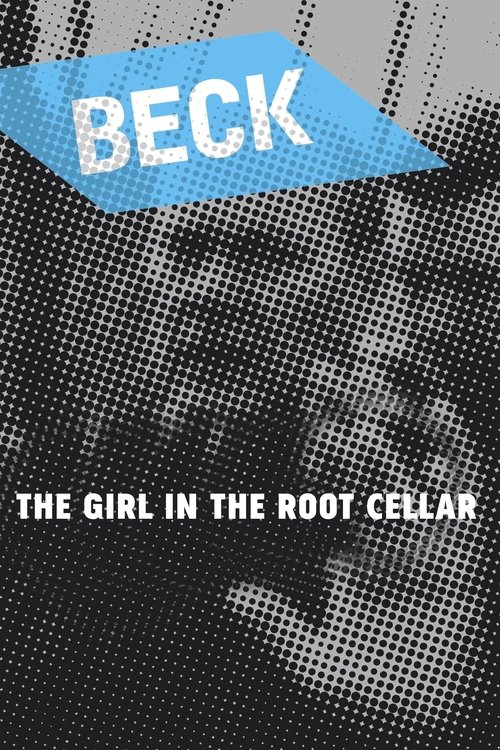
2006

2015
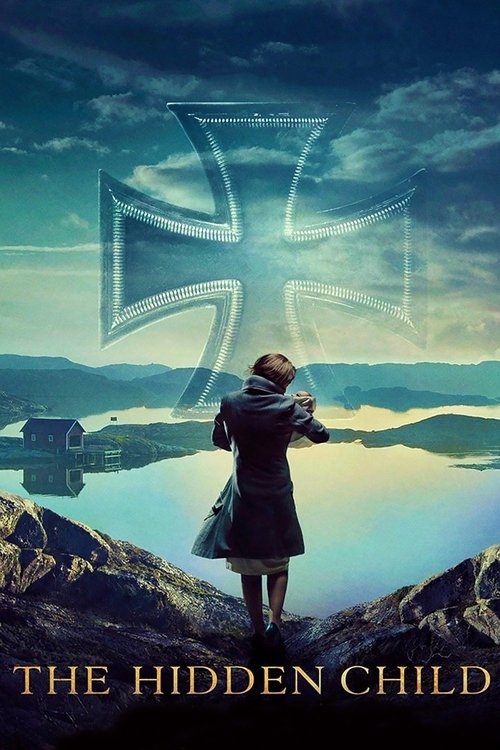
2013
2013
2009

2011
No reviews yet. Be the first to share your thoughts on this movie!
Use the rating form above to leave a star rating and optional review.