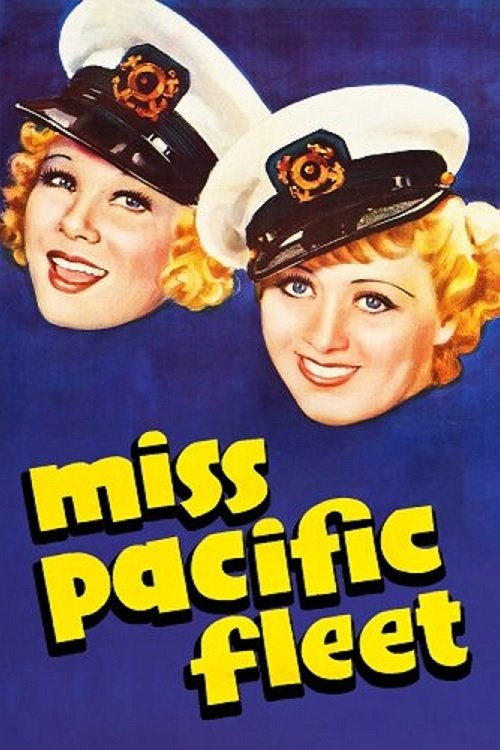
Miss Pacific Fleet
1935
No user ratings available yet
Representation score: 1.4 out of 10

Representation Score
Minimal
1933
ApprovedDirector
W.S. Van Dyke
Runtime
102 minutes
Average Rating
No ratings yetNew Showbiz Analysis
The film functions as a traditional romantic melodrama that prioritizes established social hierarchies and romantic archetypes. While it explores social mobility, it does so through individual effort rather than systemic change. The production reflects the white, Western social structure of its time, reinforcing gender and class dynamics typical of early 1930s studio filmmaking. Ultimately, the narrative uses class disparity to drive romantic tension without challenging the fundamental power structures of the era.
Category Breakdown
The film follows the conventions of the early Pre-Code era, focusing solely on a traditional male-female relationship.
The story emphasizes traditional gender roles, with men portrayed as strong and women as emotionally delicate. It relies on familiar formulas of the protective male and high-society female.
The cast is primarily white, reflecting the homogeneous demographics of 1930s mainstream cinema. The story centers on socioeconomic differences within a white, Western context.
The film operates within the existing social order, treating class as a romantic obstacle rather than a systemic issue. It lacks significant moral relativism or anti-Western critiques.
There is no representation of physical or neurodivergent disabilities among the main characters or supporting cast.
Present on Screen
Limited or Absent
Official Synopsis
An ex-sailor turned boxer finds romance and gets a shot at the heavyweight title.
1935
1928

1928
1941
1935
1934
1928
1936
No reviews yet. Be the first to share your thoughts on this movie!
Use the rating form above to leave a star rating and optional review.