The Godsend
1980
No user ratings available yet
Representation score: 2.8 out of 10
Representation Score
Limited
1973
PGDirector
Ted Post
Runtime
84 minutes
Average Rating
No ratings yetNew Showbiz Analysis
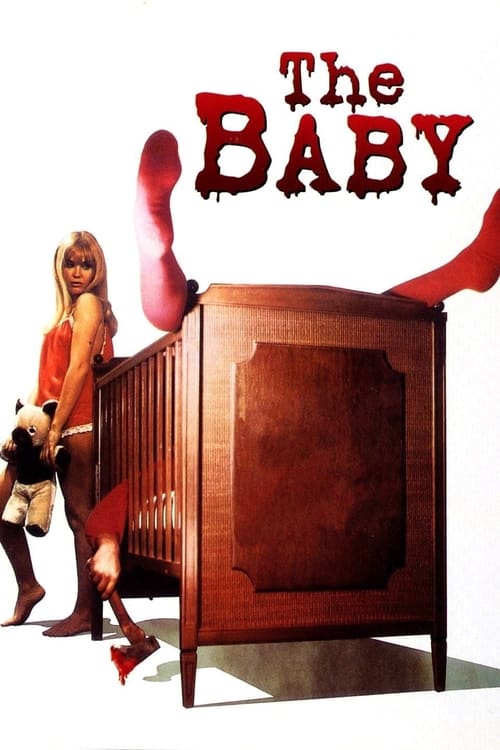
The Baby is a psychological horror film that uses domestic dysfunction to create tension. While it challenges the traditional family structure through its central premise, it does so through a lens of pathology rather than intentional characters who reflect more than one aspect of diversity. The film remains within the traditional cinematic boundaries of its era, lacking significant diversity across racial, LGBTQ+, and cultural categories. It focuses its energy on the psychological horror of a regressive family unit. Ultimately, the work prioritizes the 'uncanny' elements of its premise over a deliberate framework of social or systemic critique.
Category Breakdown
The film focuses on a dysfunctional family rather than diverse sexual orientations or gender identities. There are no characters or narratives that challenge straight-centered structures.
Female characters drive the plot through their psychological roles and domestic responsibilities. However, their power is tied to caretaking and being trapped within the home environment.
The cast appears uniform, reflecting the typical demographic makeup of 1970s American genre films. There are no characters of color with substantial roles or influence.
The narrative criticizes the stability of the nuclear family through extreme dysfunction. It lacks a broader systemic critique, focusing instead on individual psychological issues.
The main character exhibits arrested development and mental instability, portrayed more as uncanny and horrifying than a realistic depiction of mental health issues.
Present on Screen
Limited or Absent
Official Synopsis
A social worker who recently lost her husband investigates the strange Wadsworth family. The Wadsworths might not seem too unusual to hear about them at first - consisting of the mother, two grown daughters and the diaper-clad, bottle-sucking baby. The problem is, the baby is twenty-one years old.
1980
1965
1974
2006
1972
1976
1994
1956
No reviews yet. Be the first to share your thoughts on this movie!
Use the rating form above to leave a star rating and optional review.