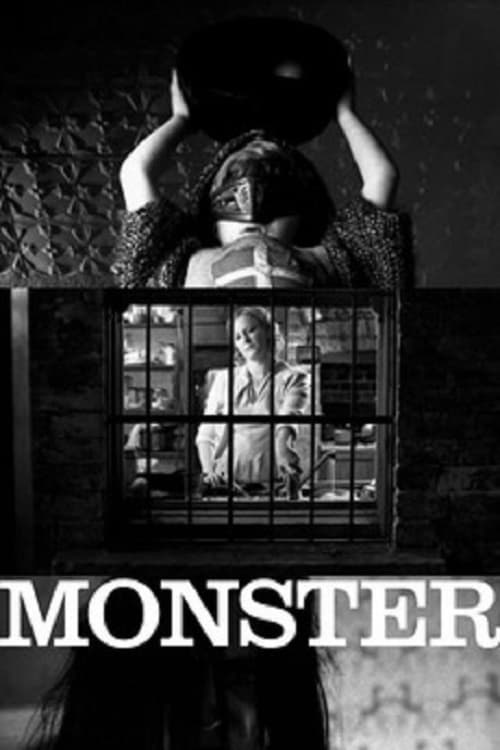
Monster
2005
No user ratings available yet
Representation score: 8.1 out of 10
Representation Score
Fair
2004
Director
Robert Morgan
Runtime
12 minutes
Average Rating
No ratings yetNew Showbiz Analysis
Monsters is a minimalist psychological study that prioritizes atmospheric dread over social breadth. The film operates within a claustrophobic framework, focusing on the primal survival of a troubled child and his family. While the film offers a slight subversion of gendered roles by presenting a capable female character, it remains demographically narrow. The lack of diverse casting and the absence of queer or ethnic identities result in a limited social scope. Ultimately, the narrative functions in a vacuum of social structure. It avoids religious or political commentary, opting instead for a survivalist ethos that lacks multi-layered depth.
Category Breakdown
The film does not include any LGBTQ+ characters or romantic relationships. The narrative focuses solely on survivalist tension, leaving no room for queer-coded subtext or identity-driven storylines.
A female character is shown to have significant autonomy and plays a key role in the hostile environment. She is portrayed as a capable individual rather than a passive victim, challenging typical horror clichés.
The film features a uniform cast without any intentional blending of races. The isolated setting lacks social structures or evidence of diverse casting.
The setting eschews traditional Western institutions such as organized religion or formal state authority. Characters operate in a moral vacuum driven by survivalist necessity, avoiding cultural critique.
Themes of mental instability and psychological distress are primarily used as horror devices. These portrayals risk using neurodivergence as a catalyst for fear rather than a nuanced depiction of lived experiences.
Present on Screen
Limited or Absent
Official Synopsis
Stan is a troubled child with a vivid imagination. He lives with his mother and sister near a mental hospital, which fills him with horror. His nasty older sister thinks Stan is a nuisance and threatens to kill him. When it becomes night, all the impressions come back in nightmares.
2005
1965
2019
1988
2007

2015
2022
2006
No reviews yet. Be the first to share your thoughts on this movie!
Use the rating form above to leave a star rating and optional review.