
The Last Kiss
2001
No user ratings available yet
Representation score: 3.8 out of 10
Representation Score
Good
1993
Director
Ettore Scola
Runtime
102 minutes
Average Rating
No ratings yetNew Showbiz Analysis
Ettore Scola’s film is a sophisticated psychological drama that prioritizes character depth over broad demographic representation. It excels in examining gendered emotional labor and women's ability to drive the story through Maria's complex journey within domesticity and desire. However, the film remains confined by its homogeneous setting and traditional romantic framework. It does not actively engage with racial diversity or LGBTQ+ identities, focusing instead on a specific European social context. Ultimately, the work earns its score by avoiding simplistic moral binaries. It opts for a deep, character-driven exploration of individual ability to act within established social structures rather than systemic disruption.
Category Breakdown
The story focuses on a heterosexual marriage and infidelity. It does not include narratives or identities that challenge the assumption that everyone is straight or cisgender, sticking to traditional romantic themes.
Maria is given significant psychological ability to act through her quest for intellectual fulfillment. The film breaks the passive housewife stereotype by highlighting her internal struggle and personal autonomy.
Set in Rome, the film features a predominantly homogeneous cast. It reflects a specific European socioeconomic environment without incorporating diverse ethnic perspectives or color-blind casting.
The narrative explores the complexities of human connections and subjective morality. It deconstructs the ideal family unit but primarily serves as a character study of urban loneliness.
There is no prominent depiction of visible or invisible disabilities. The characters' struggles revolve around emotional and relational issues rather than physical or neurodivergent conditions.
Present on Screen
Limited or Absent
Official Synopsis
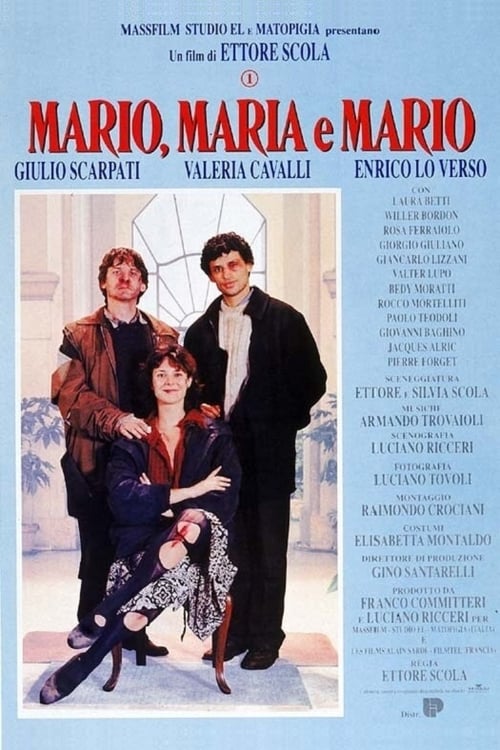
Mario and Maria Boschi, a 30-year-old couple with small children, are hit by a crisis: husband and wife cannot agree on a party name. A colleague, also named Mario, makes an impressive speech, and Maria find herself increasingly attracted to him. She feels able to relate to him like she could to her husband in the old days. They spend the night together, and she falls ill. When she is asked by her husband to leave the house, she realizes that there may be a difference between real love and a vague need for understanding.
2001
1970
1992
1972
1989

1971

2002
1987
No reviews yet. Be the first to share your thoughts on this movie!
Use the rating form above to leave a star rating and optional review.