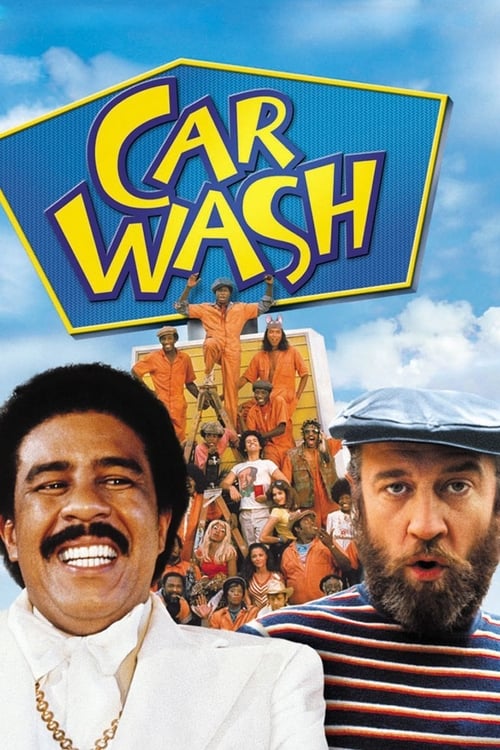
Car Wash
1976
No user ratings available yet
Diversity score: 5.8 out of 10
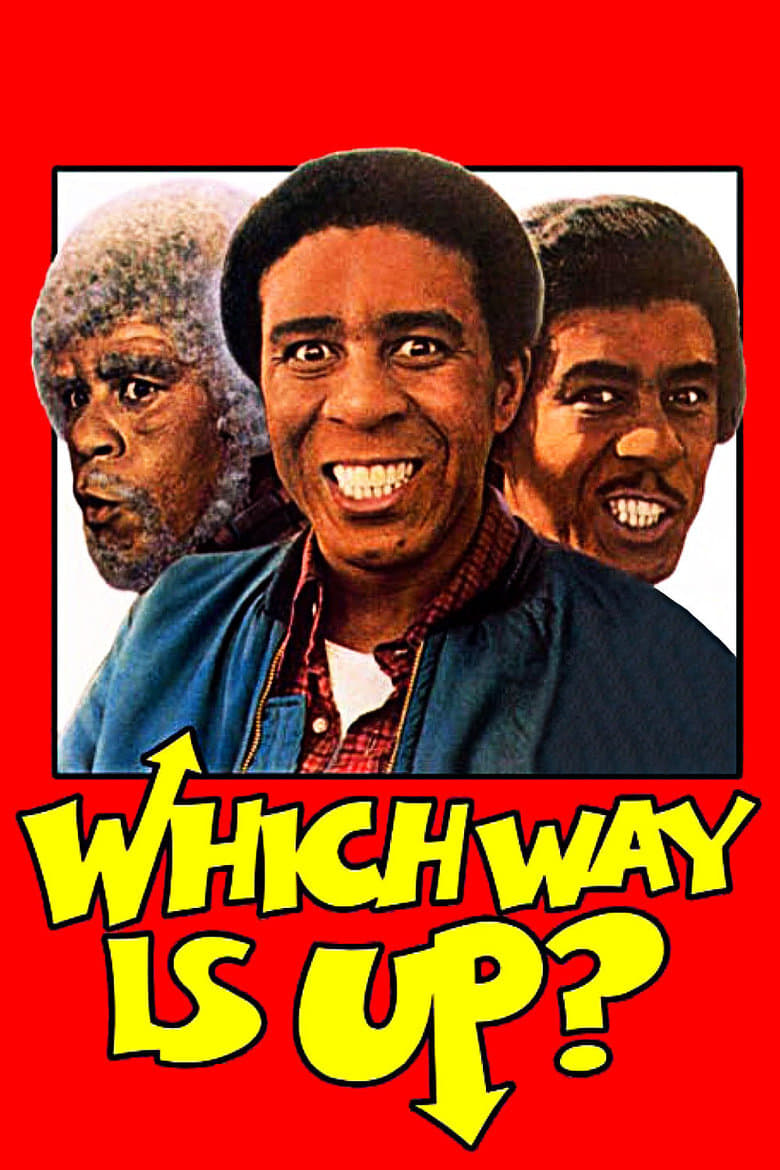
1977
RDirector
Michael Schultz
Runtime
94 minutes
Average Rating
No ratings yetSynopsis
Orange picker Leroy Jones inadvertently becomes a union leader and is forced out of town, leaving behind his sex-obsessed father, Rufus, and timid spouse, Annie Mae. He heads for Los Angeles, where he falls for union organizer Vanetta. Annie Mae seeks solace from local preacher Lenox Thomas, who eventually impregnates her. When Leroy catches wind, he heads home for a showdown with Lenox.
Overall Score
Good
Category Breakdown
LGBTQ+ Representation
The film focuses on heteronormative structures, centering on the marriage between Leroy and Annie Mae. There is no visible presence of queer identities or narratives that critique heteronormativity.
Gender Representation
The story disrupts patriarchal hierarchies by highlighting the struggles of women like Annie Mae and Vanetta. It subverts the stable patriarch trope by depicting male characters through lenses of obsession or reactivity.
Racial & Ethnic Diversity
This work features an almost entirely Black cast, centering the Black experience in both rural and urban settings. It avoids tokenism by making Black protagonists the primary drivers of the plot.
Religious & Cultural Diversity
The narrative critiques capitalist hierarchies through labor exploitation and union organizing. It also deconstructs the idealized family unit and portrays religious figures as sources of instability rather than moral anchors.
Disability Representation
There is no significant evidence regarding the portrayal of physical or neurodivergent disabilities within the narrative.
Strengths
Areas for Improvement
AI Analysis
Which Way Is Up? stands as a significant piece of socially conscious cinema that centers the Black experience. By moving from rural labor to urban organizing, the film uses its setting to critique systemic socioeconomic structures and capitalist hierarchies. The film's strength lies in its refusal to adhere to respectability politics. Instead, it offers a multi-dimensional portrayal of marginalized communities navigating instability, specifically through the subversion of traditional religious and familial roles. While the film lacks LGBTQ+ or disability-focused narratives, its high marks in racial agency and its nuanced approach to gendered power dynamics make it a progressive work for its era.
1976
1969
1984
2008
1979
1989
1974
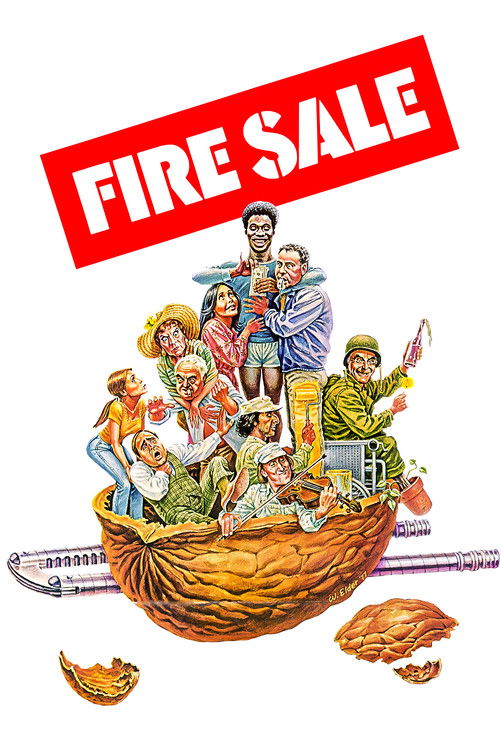
1977
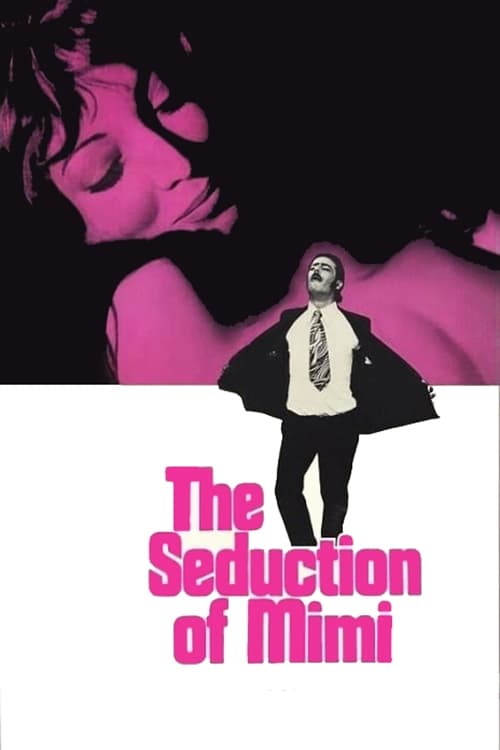
1972
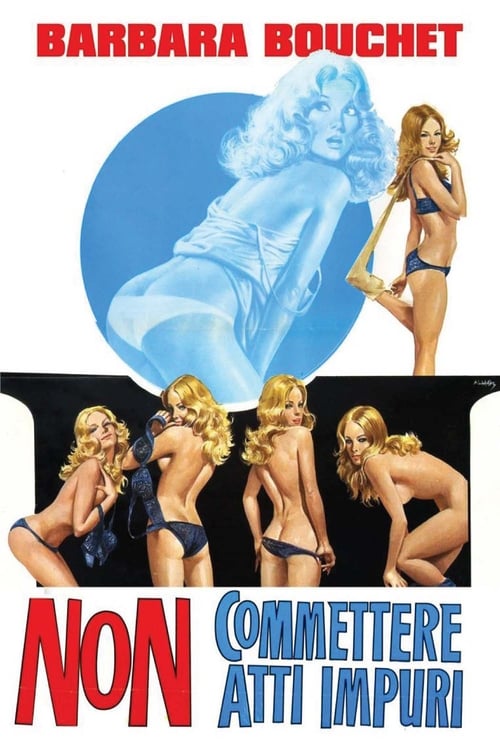
1971
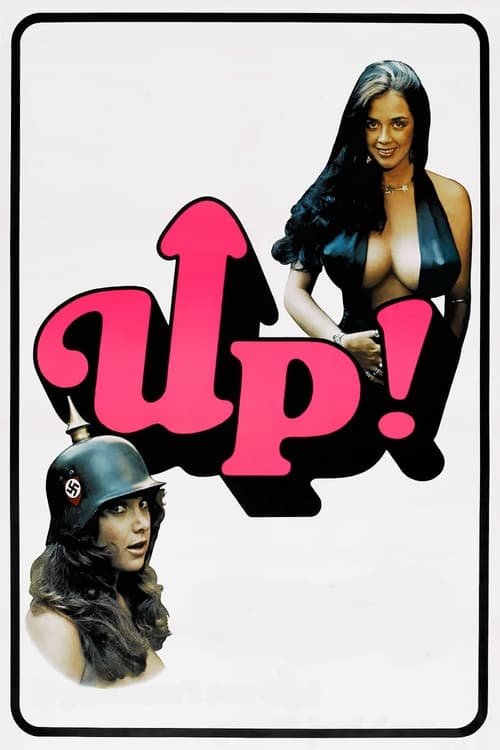
1976
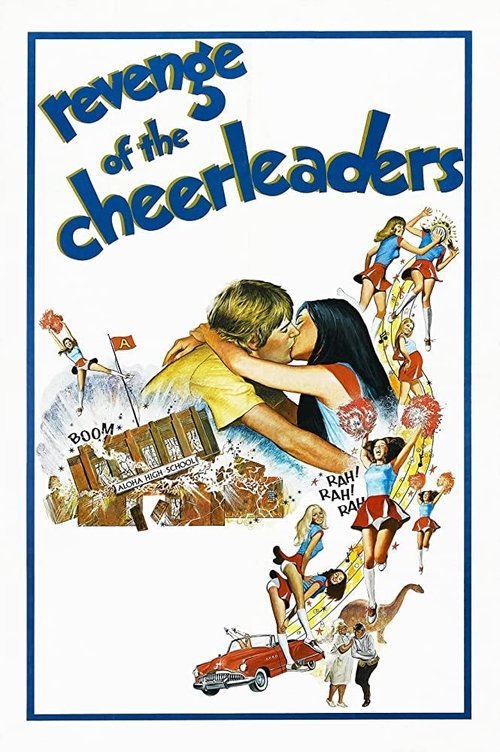
1976
No reviews yet. Be the first to share your thoughts on this movie!
Use the rating form above to leave a star rating and optional review.