
Wild Flowers
1982
No user ratings available yet
Representation score: 5.4 out of 10
Representation Score
Limited
1985
Director
Nadine Trintignant
Runtime
100 minutes
Average Rating
No ratings yetNew Showbiz Analysis
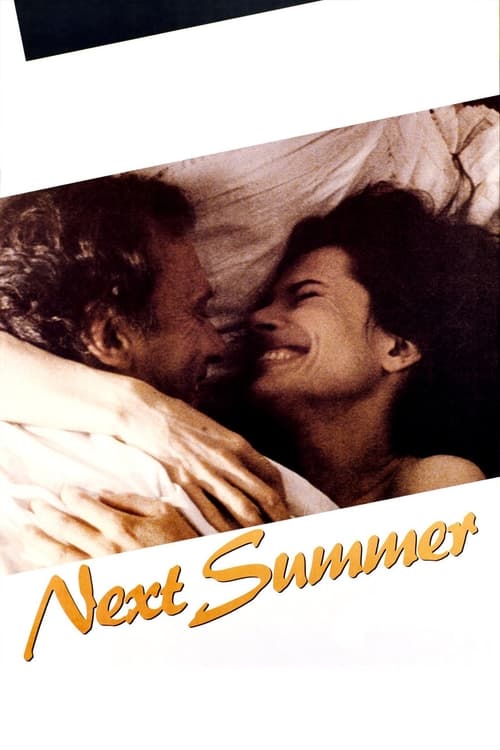
Next Summer is a character-driven drama that highlights the emotional turmoil of a crumbling marriage. By centering the story on the women involved, the film offers a nuanced look at female autonomy and ability to act. However, the film remains demographically traditional. The absence of LGBTQ+ and racial diversity keeps the scope narrow, reflecting the cinematic norms of 1985 France rather than a broader social spectrum. Ultimately, the film is psychologically progressive in its treatment of family instability but lacks representation for many underrepresented groups.
Category Breakdown
The story revolves around heterosexual relationships and the breakdown of a traditional marriage. There is no indication of non-straight relationships or same-sex intimacy.
The film emphasizes female autonomy and subjectivity. Jeanne asserts herself by confronting her husband's infidelity, while her daughters face their own psychological challenges.
The cast and setting reflect a predominantly white, European population. The film maintains a homogeneous social environment consistent with its 1985 French production context.
The narrative avoids the cliché of the perfect Western family, focusing instead on secular, messy realities. It explores dysfunction without rigid morality.
There are no prominent depictions of visible or invisible disabilities. The narrative focuses on psychological and emotional states rather than physical or neurodivergent conditions.
Present on Screen
Limited or Absent
Official Synopsis
Edouard is patriarch of a large family: his second wife, Jeanne, has just had a baby and finally had enough of his philandering. As the marriage between them unravels, Edouard's daughters experience their own emotional shock waves. Dina, in a relationship with playwright Paul, wants more from her daily life, while Sidone is married to a fellow musician but is terrified of performing in public. Fast-forward seven years: Edouard is gravely ill, and the family shares their issues, hopes and fears.
1982
1983
1990
1974
1974
1978
2007
2016
No reviews yet. Be the first to share your thoughts on this movie!
Use the rating form above to leave a star rating and optional review.