The Apprenticeship of Duddy Kravitz
1974
No user ratings available yet
Representation score: 3.0 out of 10
Representation Score
Limited
1988
GDirector
Allan A. Goldstein
Runtime
95 minutes
Average Rating
No ratings yetNew Showbiz Analysis
The film succeeds as a culturally specific character study, using the Jewish experience to disrupt the standard clichés of 1960s period dramas. By centering a minority identity, it provides ability to act to a protagonist navigating assimilation and tradition. However, the film remains limited by its adherence to traditional social structures. The romantic and gender dynamics follow conventional patterns, offering little exploration of LGBTQ+ identities or radical gender subversion. Ultimately, the work is a meaningful niche representation that prioritizes ethnic and religious nuance over broader social deconstruction.
Category Breakdown
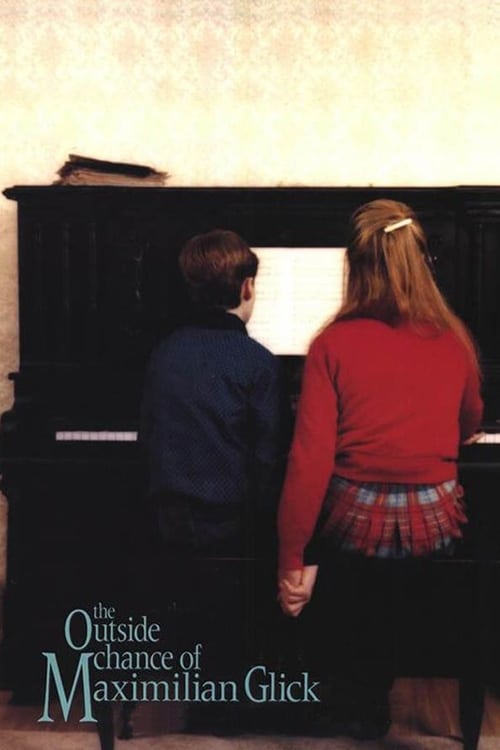
The story follows a traditional path focused on the protagonist's romance with a Catholic girl. There are no representations of non-cisgender identities or critiques of the assumption that everyone is straight or cisgender.
The film centers on a male coming-of-age story within a framework of religious expectations. Female characters are present, but the narrative does not actively challenge traditional gender hierarchies.
The film provides strong ethnic specificity by focusing on a Jewish minority experience. It highlights intra-ethnic diversity through the tension between an assimilated community and a traditional Hassidic rabbi.
The narrative explores the friction between secular modernity and religious tradition. It uses Jewish humor to navigate the pressures of an overbearing family and rigid institutional expectations.
There is no discernible representation of physical or neurodivergent disabilities within the character descriptions or plot summary.
Present on Screen
Limited or Absent
Official Synopsis
The early 1960s: In preparation for his Bar Mitzvah, a Jewish boy, Max Glick (Noam Zylberman) from a small Manitoba community with an overbearing family tries to navigate his coming-of-age with his family's condescension and bigotry using his sarcastic, Jewish humour. The town's rabbi dies, and a sub-plot develops in which Max's father (Aaron Schwartz) and grandfather (Jan Rubes)-both synagogue leaders-are saddled with a traditional Hassidic rabbi who sticks out like a sore thumb among the otherwise assimilated Jewish community. To make matters more difficult, Max likes a Catholic girl (14 year old Fairuza Baulk in just her third film), whom he later competes with in a piano competition. The quirky, fun-loving rabbi tries to help him with his problems, yet harbours a secret ambition of his own. Filmed in Winnipeg and rural Beausejour, Manitoba, Canada.
1974
2018
2020
2005
2014
2020
1991
2015
No reviews yet. Be the first to share your thoughts on this movie!
Use the rating form above to leave a star rating and optional review.