
Make the Yuletide Gay
2009
No user ratings available yet
Representation score: 4.1 out of 10
Representation Score
Fair
2001
Director
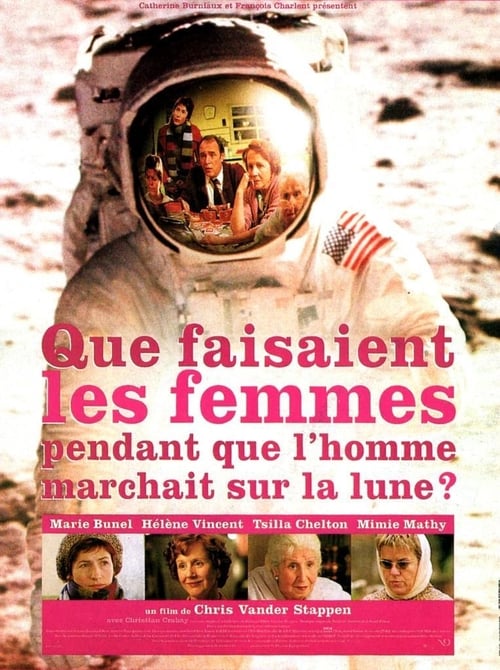
Chris Vander Stappen
Runtime
98 minutes
Average Rating
No ratings yetNew Showbiz Analysis
Family Pack offers a sophisticated look at queer identity and the friction between authentic self-expression and familial duty. By setting the story in 1969, the film highlights the high stakes of visibility for LGBTQ+ individuals. The narrative excels at deconstructing traditional gender roles and the weight of immigrant family expectations. It uses Sacha's career shift to challenge how women are valued within patriarchal structures. However, the film's scope is narrow regarding racial and disability representation. The focus remains tightly locked on the specific intersection of sexual identity and Western cultural mores.
Category Breakdown
The film centers on Sacha, a lesbian protagonist, and her partner Odile. It explores the emotional labor and interpersonal tensions of navigating non-straight relationships during the restrictive social era of 1969.
Sacha disrupts traditional expectations by rejecting a prescribed medical career for artistic autonomy in photography. This choice prioritizes her creative freedom over patriarchal standards of professional success.
The narrative focuses on a Belgian-Canadian diaspora, resulting in a largely homogeneous cast. The story emphasizes nationality and class rather than multi-ethnic or multi-racial dynamics.
The film critiques Western familial structures and the pressure of social performance. It portrays the traditional family unit as a site of potential repression and performative expectation.
There are no prominent depictions of physical or neurodivergent disabilities serving as central narrative drivers in this story.
Present on Screen
Limited or Absent
Official Synopsis
A young woman tries to ease herself out of the closet without terrifying her parents in the process in this comedy-drama. The year is 1969, and Sacha (Marie Bunel) is a young Belgian woman living in Canada. Sacha's family sent her to Canada to attend medical school, but she hasn't had the heart to tell them that she's dropped out of college to devote herself to her new interest in photography. Sacha also hasn't told her parents that she's a lesbian -- and that she has a new girlfriend, Odile (Macha Grenon). Odile is tired of being kept a secret, and insists that Sacha tell her parents the truth before American astronauts land on the moon in a few months -- or else. Sacha flies home to Belgium for a visit, planning to come clean to her folks, but she discovers they've arranged a huge welcome home party for the entire neighborhood. With everyone so excited that the soon-to-be-doctor is paying them a visit, Sacha wonders when the time will be right to give her family the news.
2009
1997
1995

1978
1996
2004

2020

2020
No reviews yet. Be the first to share your thoughts on this movie!
Use the rating form above to leave a star rating and optional review.