May in the Summer
2014
No user ratings available yet
Diversity score: 7.1 out of 10
1996
TV-PGDirector
Férid Boughedir
Runtime
89 minutes
Average Rating
No ratings yetSynopsis
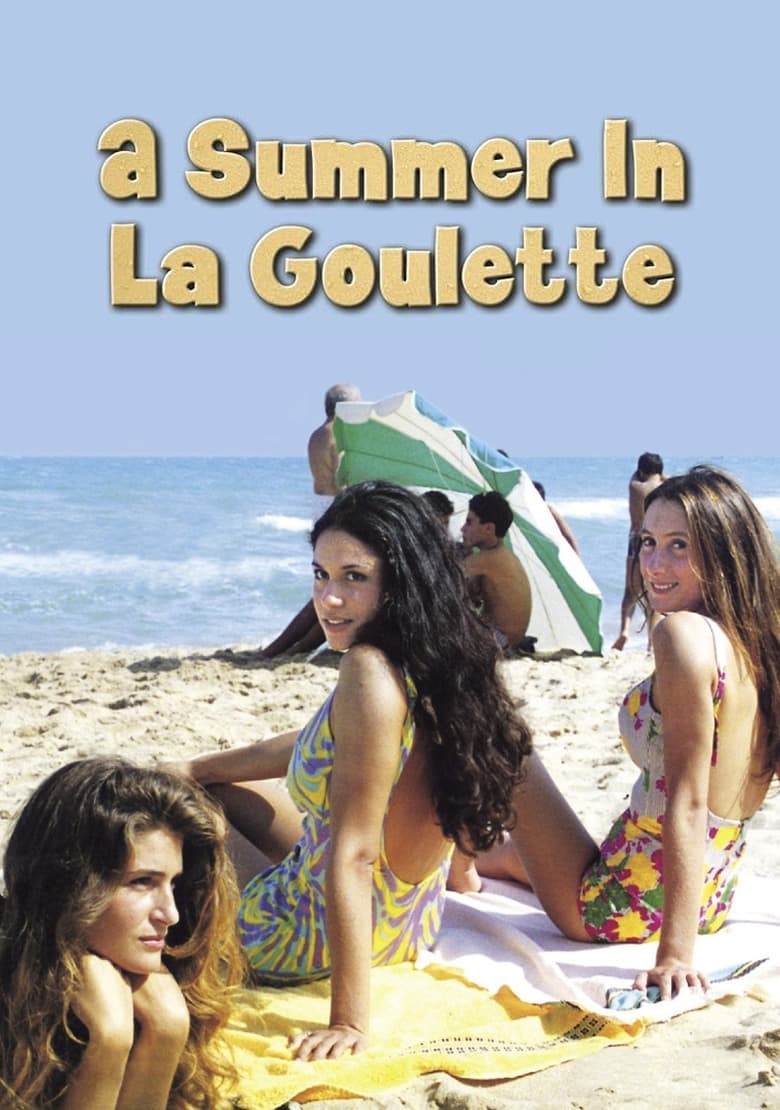
Summer of 1967. La Goulette, a touristic beach of Tunisia, is the site where three seventeen-year-old girls live: Gigi, Sicilian and Catholic; Meriem, Tunisian and Muslim; Tina, French and Jewish. They would like to have their first sexual experience during that summer, challenging their families. Their fathers, Youssef, Jojo and Giuseppe, are old friends and their friendship will be in crisis because of the girls, while Hadj, an old rich Arab, would like to marry Meriem.
Overall Score
Good
Category Breakdown
LGBTQ+ Representation
The film lacks explicit LGBTQ+ characters or non-heteronormative narratives. The story focuses on the sexual curiosity of the female protagonists within a traditional social framework.
Gender Representation
The narrative centers on the agency of three young women seeking sexual autonomy. While male characters represent established social hierarchies, the girls' pursuit of independence drives the plot.
Racial & Ethnic Diversity
The film excels by depicting a multicultural society of Sicilian Catholic, Tunisian Muslim, and French Jewish identities. This intersectional approach avoids monolithic depictions of North African life.
Religious & Cultural Diversity
Religious identity is portrayed as a facet of character rather than a restrictive moral compass. The film explores the tension between youthful curiosity and rigid traditional institutions.
Disability Representation
There are no prominent depictions of visible or invisible disabilities within the narrative.
Strengths
Areas for Improvement
AI Analysis
A Summer in La Goulette is a sophisticated exploration of Mediterranean pluralism. It succeeds by presenting a tapestry of coexistence between distinct ethnic and religious groups, effectively disrupting monolithic North African tropes. The film's strength lies in its intersectional storytelling, particularly regarding the blending of Sicilian, Tunisian, and French identities. This creates a nuanced social fabric that feels both specific and universal. However, the film remains limited by its traditional focus on heteronormative coming-of-age themes and a lack of representation for disability or queer identities.
2014
2017
1994
2007
2016
1999

2010
1996
2016
2018

1999
1995
No reviews yet. Be the first to share your thoughts on this movie!
Use the rating form above to leave a star rating and optional review.