Eggs
1995
No user ratings available yet
Representation score: 4.8 out of 10
Representation Score
Fair
1979
RDirector
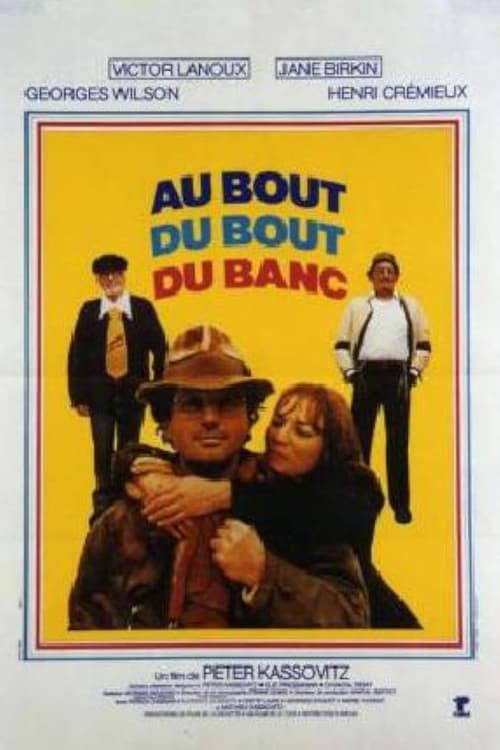
Peter Kassovitz
Runtime
105 minutes
Average Rating
No ratings yetNew Showbiz Analysis
The film offers a culturally specific perspective, focusing on the Jewish experience and the intersection of French and Israeli identities. This creates a rich, multi-generational narrative that avoids homogeneous storytelling. However, the exploration of identity remains somewhat limited. LGBTQ+ themes are subtle and not central, and gender dynamics, while complex, do not fundamentally challenge traditional power structures. Ultimately, the work presents a nuanced study of heritage and aging through the lens of historical and ethnic struggle.
Category Breakdown
The film explores budding sexuality through Mathias, but these themes serve as developmental milestones rather than central explorations of LGBTQ+ identity or critiques of heteronormativity.
Peggy navigates marital difficulties and domestic instability, adding complexity to the narrative. However, the story does not explicitly challenge traditional gender hierarchies.
The film focuses on the twentieth-century struggles of the Jews and the connections between France and Israel, moving beyond standard Anglo-centric storytelling.
The narrative uses historical struggle and fragmented heritage to frame the family’s history, avoiding idealized views of Western stability and presenting a more complex, moral relativism.
The film does not mention any visible or invisible disabilities, nor does it include any representation of disability.
Present on Screen
Limited or Absent
Official Synopsis
Four generations of Oppenheim men gather in Paris for Isaac's 90th birthday. He's "Romeo," still a lady's man, waiting to hear from a woman to whom he has proposed, threatening suicide if she says no. They gather at Isaac's grandson's, Ben, who lives with Peggy and their son Mathias who's 10. Joining them, from Israel, is Isaac's son Elie. Against a backdrop of Elie's attempts to call his ex-wife, Ben and Peggy's marital difficulties, Mathias's budding sexuality, everyone's love of chess and practical jokes, Ben's house (shifting dangerously on its foundation), and the twentieth-century struggles of the Jews, the film explores their relationships and Isaac's aging.
1995

1997
1991
1996
1995
1989
1999
1937
No reviews yet. Be the first to share your thoughts on this movie!
Use the rating form above to leave a star rating and optional review.