The Voice of the Water
1966
No user ratings available yet
Representation score: 3.9 out of 10
Representation Score
Fair
2004
Director
Masumi Mizunuma
Runtime
52 minutes
Average Rating
No ratings yetNew Showbiz Analysis
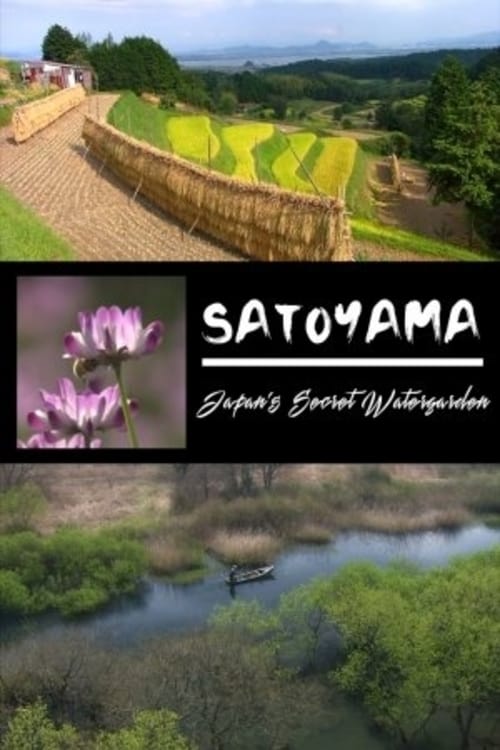
Satoyama II: Japan's Secret Watergarden excels as a cultural study by highlighting non-Western ecological intelligence. It effectively challenges the notion that modernity is the sole path to progress by validating traditional, localized resource management. However, the film lacks personal identity narratives. Since the focus is solely on environmental systems and communal infrastructure, it misses opportunities to explore social identities such as gender or LGBTQ+ representation. Ultimately, the work is a specialized ethnographic piece that prioritizes a deep dive into sustainable, non-Western communal living and hydrological systems over character-driven social commentary.
Category Breakdown
The documentary focuses on ecological practices and village infrastructure. It contains no evidence of LGBTQ+ characters or narratives regarding gender identity.
The film stays neutral on gender roles and does not provide specific character arcs that define gender dynamics. It focuses on ecological practices and village infrastructure.
The documentary centers on Japanese Satoyama villages, showcasing non-Western cultural practices and challenging Western-centric documentary traditions. It highlights the specialized local knowledge and communal sustainability.
The narrative emphasizes a harmonious relationship between humans and nature, focusing on communal sustainability and traditional ecological wisdom. It contrasts modern industrial models with traditional ecological intelligence.
There is no discernible information regarding the portrayal of individuals with physical or neurodivergent disabilities.
Present on Screen
Limited or Absent
Official Synopsis
Each home has a built in pool or water tank that lies partly inside, partly outside its’ walls… A continuous stream of spring water is piped right into a basin, so freshwater is always available. People rinse out pots in the tank and clean their freshly picked vegetables. If they simply pour the food scraps back in the water, they risk polluting the whole village supply. However, carp can scour out even the greasy or burnt pans. They do the washing up in Satoyama villages. This traditional arrangement is called the riverside method. It’s used all over Japan. Cleaned up by the carp, the tank water eventually rejoins the channel.
1966

2000
1946

1996

2016
2013
2017

2019
No reviews yet. Be the first to share your thoughts on this movie!
Use the rating form above to leave a star rating and optional review.