
Appleseed: Ex Machina
2007
No user ratings available yet
Representation score: 8.2 out of 10
Representation Score
Fair
1988
Director
Toshiki Hirano
Runtime
60 minutes
Average Rating
No ratings yetNew Showbiz Analysis
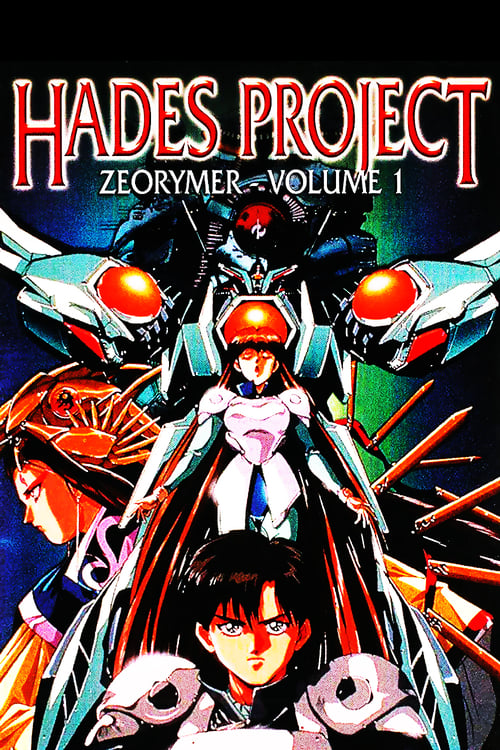
Hades Project: Zeorymer Separation is a quintessential product of the 1980s mecha genre. It prioritizes high-stakes kinetic storytelling and mechanical design over social or multi-layered complexity. The narrative follows a traditional hero's journey centered on a male pilot fighting a corporate entity. While the series explores themes of individual versus institution, it does so through a conventional lens. It lacks the diverse casting or intentional subversion of social hierarchies necessary to move beyond standard genre clichés. The work functions primarily as a science fiction thriller rather than a vehicle for cultural deconstruction.
Category Breakdown
The series does not include explicit LGBTQ+ characters or narratives. It focuses on traditional 1980s mecha clichés, emphasizing pilot-centric conflicts rather than identity-based exploration.
The story centers on Masato, a male protagonist, reinforcing masculine-led pilot archetypes. While female characters offer support, primary ability to act remains with the male lead.
As a Japanese production, the cast and setting are largely homogeneous. The focus remains on technological and corporate struggles rather than visible racial blending.
The narrative features a hero fighting an evil corporation, reflecting anti-capitalist sentiment. However, it frames this as a classic good-versus-evil struggle rather than a systemic critique.
There is no evidence of characters with disabilities portrayed with ability to act. Physical or mental struggles in this era often serve as mere plot devices.
Present on Screen
Limited or Absent
Official Synopsis
Parts 1 & 2. When high school student Masato discovers that his parents aren't really his parents and that he's been selected to pilot the giant robot Zeorymer, he decides he must fight the evil corporation that built it. Unfortunately, the bad guys have already launched the mysterious Hades Project, and their giant robots outnumber Masato 7-to-1 in this Japanese animé series.
2007
1993
1986
1989
1992
1969

2017
1975
No reviews yet. Be the first to share your thoughts on this movie!
Use the rating form above to leave a star rating and optional review.