
Hell Target
1987
No user ratings available yet
Representation score: 1.3 out of 10
Representation Score
Minimal
1969
Director
Hiroshi Ikeda
Runtime
60 minutes
Average Rating
No ratings yetNew Showbiz Analysis
Flying Phantom Ship is a genre-driven science fiction film that emphasizes a classic adventure arc over social representation. The story revolves around a young boy's quest for vengeance and the revelation of political deceit, using archetypal characters typical of 1960s animation. While the film provides a nuanced critique of institutional transparency and the corruption of authority, it does not address identity-based subversions. The cast and character dynamics reflect the demographic norms of its time and place of production. Ultimately, the film's strength lies in its contribution to the sci-fi and horror genres rather than its advancement of diverse representational frameworks.
Category Breakdown
The film follows a traditional hero's journey centered around Hayato's quest for justice. There are no depictions of non-binary genders or same-sex relationships in the storyline.
The main characters are predominantly male-coded, such as the vengeful protagonist and the authoritative leader. Female characters play supporting roles without driving the main conflict.
Produced in Japan in 1969, the cast is culturally uniform. While it avoids racial stereotypes, there is no multi-layered casting reflecting modern standards of diversity.
The story critiques institutional authority and the reliability of leaders. However, it adheres to a classic binary morality, distinguishing clearly between good and evil.
The narrative focuses on physical battles against mechanical threats and the psychological impact of loss. No characters with visible or invisible disabilities are shown.
Present on Screen
Limited or Absent
Official Synopsis
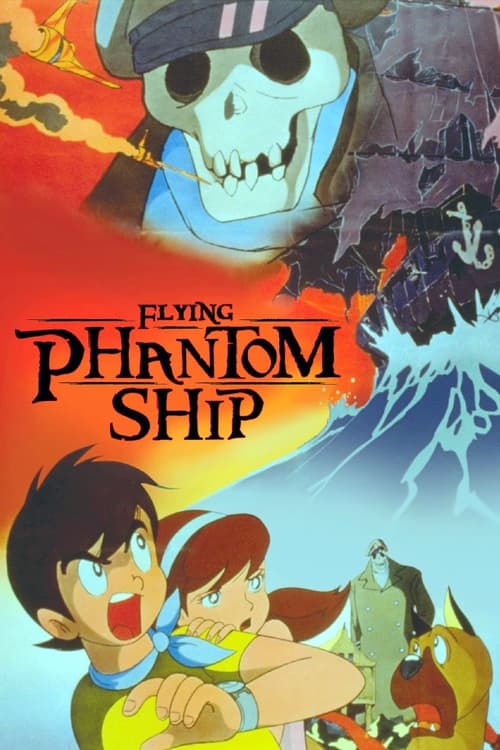
Hayato's home city is under attack from a gigantic robot. His parents are lying dead in the rubble and the only remaining friend is his dog. His only thought now is revenge against the owner of the Phantom Ship (from where the robot said he was sent). He ends up in the house of Kuroshio, the leader of the fight against the Phantom Ship and the most important person in the city. By complete accident, Hayato finds his way to an underground passageway where he realises that the true nature of events does not mesh with what Kuroshio has told him. His life is now in great danger, and only he can stop the plans of the evildoers.
1987

1982

1986

2001

1979

1984

1979

1975
No reviews yet. Be the first to share your thoughts on this movie!
Use the rating form above to leave a star rating and optional review.