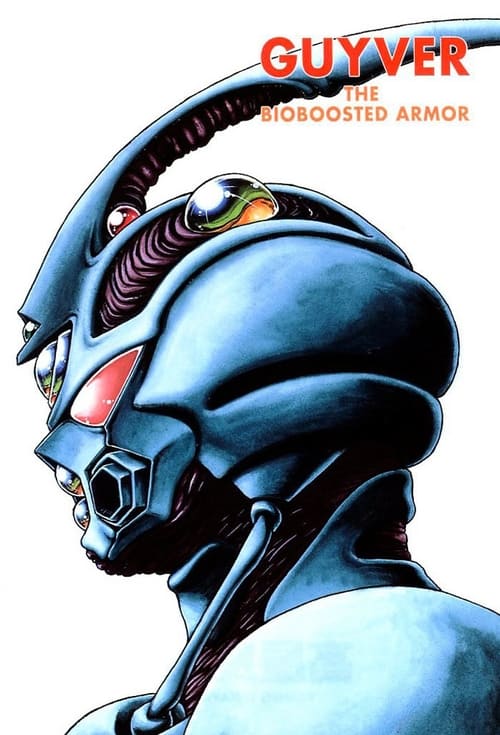
The Guyver: Bio-Booster Armor
1989
No user ratings available yet
Representation score: 4.7 out of 10
Representation Score
Fair
1986
Director
Hiroshi Watanabe
Runtime
55 minutes
Average Rating
No ratings yetNew Showbiz Analysis
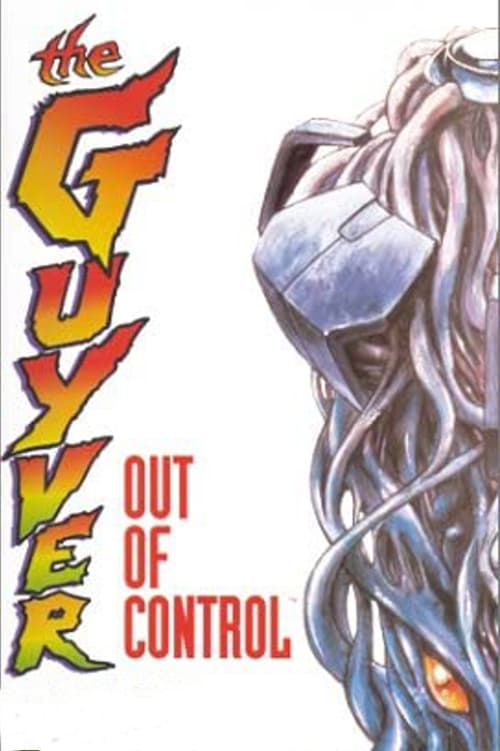
Guyver: Out of Control is a genre-driven science fiction piece that prioritizes high-concept action and biological horror over social diversity. The narrative relies heavily on traditional 1980s clichés, particularly regarding romantic structures and gender roles. While the film lacks explicit representation of LGBTQ+ identities or ethnic diversity, it does offer a compelling subtext regarding institutional distrust. The struggle against the Chronos Corporation provides a framework for critiquing centralized power and systemic control. Ultimately, the film's exploration of bodily transformation serves the horror genre more than it serves as a meaningful commentary on disability or neurodivergence.
Category Breakdown
The story centers on a relationship between Sho Fukamachi and Mizuki Segawa that aligns with the assumption that everyone is straight or cisgender. There is no evidence of diverse gender identities or same-sex intimacy within the narrative.
Sho Fukamachi acts as the primary physical defender, following traditional gender roles. However, Mizuki Segawa is a central catalyst whose actions drive the protagonist's role and the film's stakes.
The character designs reflect a homogeneous demographic consistent with its Japanese animation origins. The conflict focuses on biological species distinctions rather than racial or ethnic diversity.
The film critiques corporate hegemony through the predatory Chronos Corporation. It frames the struggle as an individual fighting against systemic, institutionalized oppression.
The involuntary fusion with the Guyver explores themes of lost bodily autonomy. These elements serve as sci-fi horror plot drivers rather than nuanced depictions of lived disability.
Present on Screen
Limited or Absent
Official Synopsis
One night, high school student Sho Fukamachi discovers a mysterious metal object. Then in a blinding flash of light, Sho finds that he has accidentally fused with the Guyver, a mecha of mysterious alien design. Now, to save his girlfriend, Mizuki Segawa, along with the entire world, Sho must become the Guyver to fight the Chronos Corporation and their biocreatures, called Zoanoids, who are hell-bent on world domination.
1989
1989
1994
1996
1989
No reviews yet. Be the first to share your thoughts on this movie!
Use the rating form above to leave a star rating and optional review.