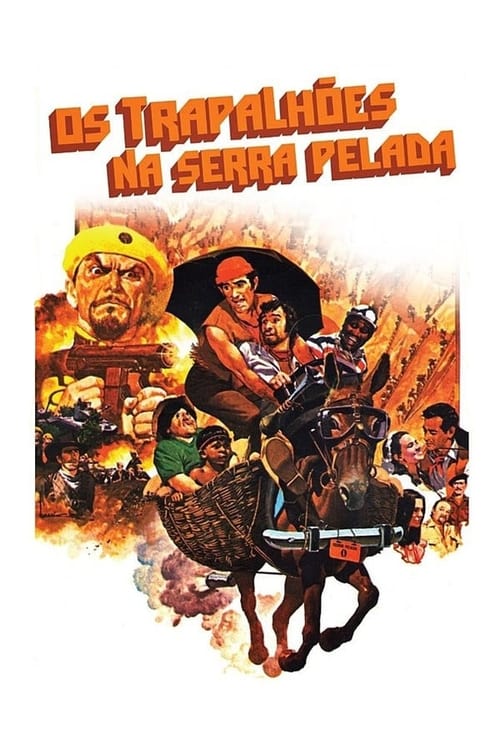
Os Trapalhões na Serra Pelada
1982
No user ratings available yet
Representation score: 4.5 out of 10
Representation Score
Good
1987
Director
Roberto Farias
Runtime
96 minutes
Average Rating
No ratings yetNew Showbiz Analysis
The film transcends its slapstick roots by using social satire to deconstruct regional hierarchies. Its strongest points lie in racial and cultural representation, empowering underrepresented characters through wit and intellectual ability to act. However, the work remains limited by a traditional patriarchal structure and a lack of explicit focus on LGBTQ+ or disability representation. The narrative prioritizes systemic critique over diverse identity exploration. Ultimately, the film serves as a significant piece of social satire that challenges the legitimacy of religious and political authority figures.
Category Breakdown
The film focuses on socioeconomic struggles and religious themes rather than sexual orientation. Though there are no explicit depictions of queer identity, the emphasis on marginal characters suggests a space outside traditional domestic structures.
The narrative operates within a patriarchal framework centered on male authority figures. Women often occupy roles defined by their relationships to men or religious iconography, such as the Virgin Mary.
The film excels by centering Brazilian regional identity and includes Black actor Mussum. It uses the trickster archetype to empower characters at the bottom of the racial and class hierarchy.
The story critiques colonial and religious institutions by portraying authority figures as corrupt. It uses religious allegory to challenge oppressive power structures through a subjective morality.
Disability is not a central theme in the film. Physical comedy is a staple of the genre, but no characters with disabilities are given a significant role in driving the story or central plot roles.
Present on Screen
Limited or Absent
Official Synopsis
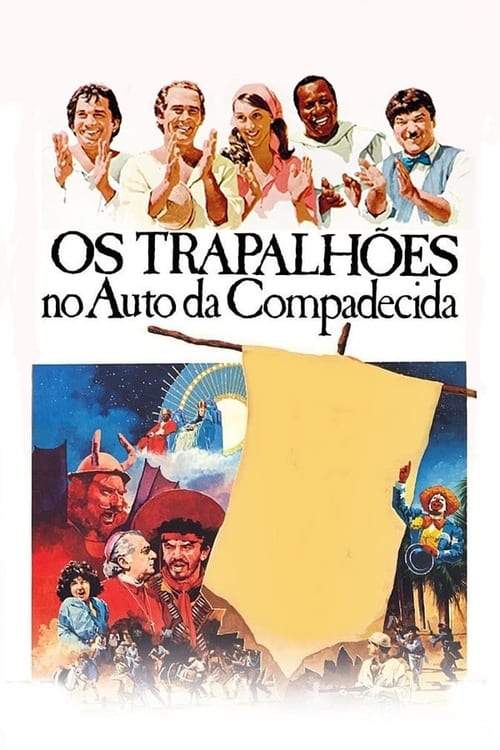
In the small town of Taperoá João Grilo and confusion Chicó live setting, addressing a sacristan and a humble baker. Everyone lives under the excesses of the bishop, the priest and the major. Until an attack on the city, all die at the hands of the bandit Severino and must stand trial in the sky, which puts everyone before God and the Virgin Mary.
1982
2000
1966
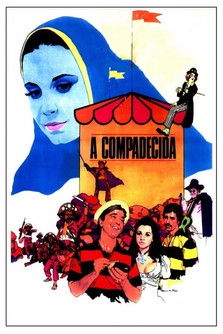
1969
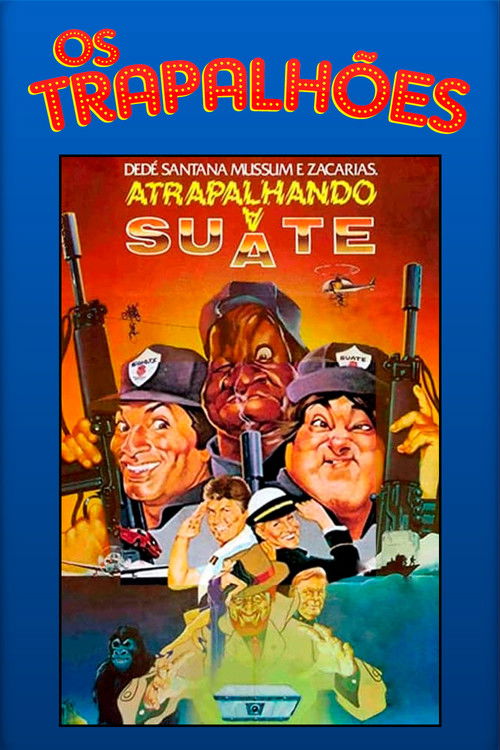
1983
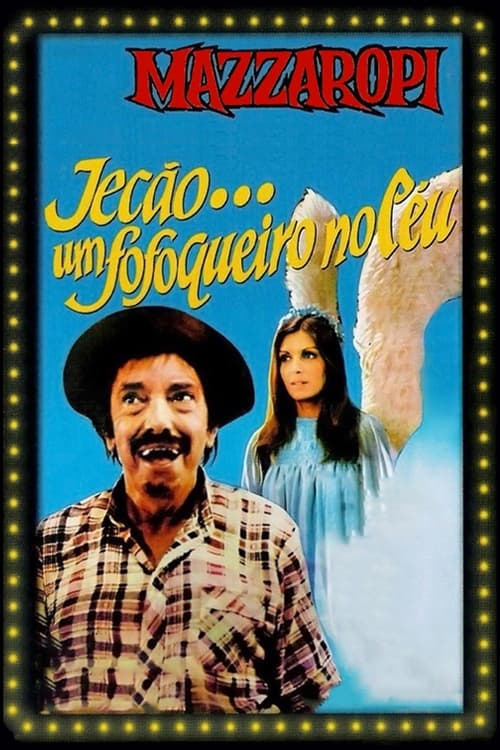
1977

1988
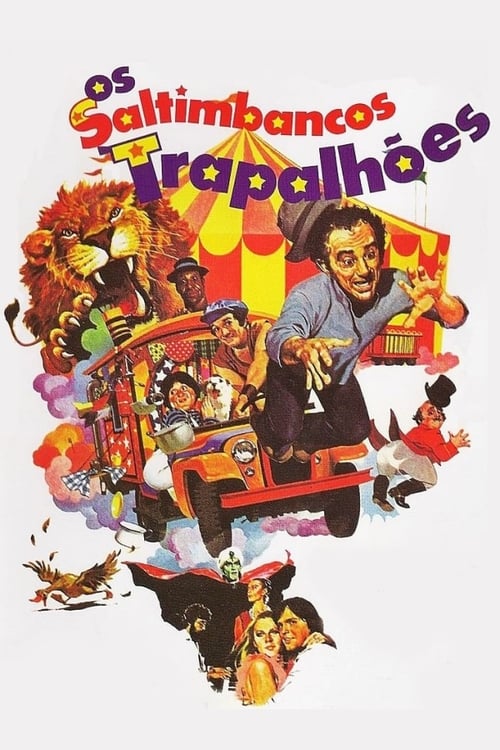
1981
No reviews yet. Be the first to share your thoughts on this movie!
Use the rating form above to leave a star rating and optional review.