
Sesame Street Presents: Follow That Bird
1985
No user ratings available yet
Diversity score: 4.8 out of 10
1981
Director
J.B. Tanko
Runtime
100 minutes
Average Rating
No ratings yetSynopsis
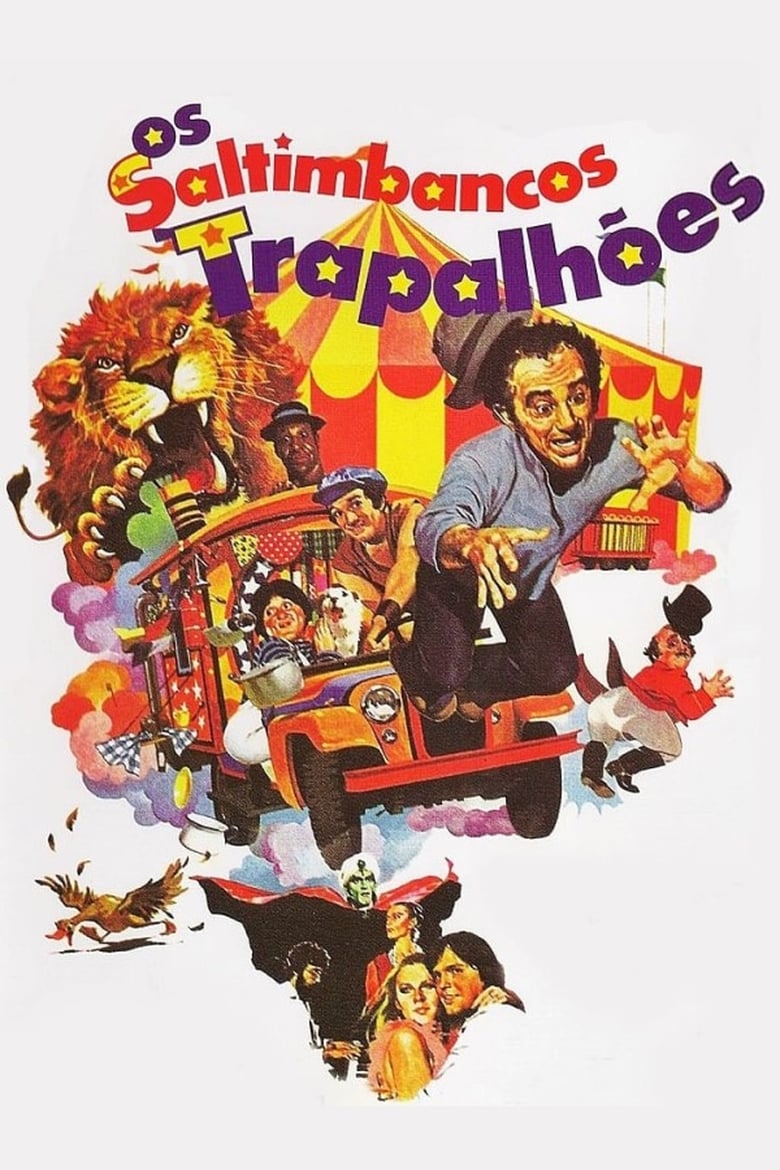
Humble officials, friends Didi, Dedé, Mussum and Zacarias become the great attraction of the circus Bartolo, thanks to its incredible ability to make the public laugh. But success has a price: the opposition of the magician Assis Satan and the greed of the Baron, the owner of the circus. Together, the four friends will have to fight them.
Overall Score
Fair
Category Breakdown
LGBTQ+ Representation
The film follows traditional comedic structures typical of early 1980s family adventure cinema. There is no evidence of LGBTQ+ characters or narratives addressing non-heteronormative identities.
Gender Representation
The narrative centers on a male-dominated ensemble of four protagonists. While the group shows agency, the plot drivers are primarily male, offering limited subversion of gendered power dynamics.
Racial & Ethnic Diversity
The inclusion of Mussum, an Afro-Brazilian character, as a central protagonist disrupts mainstream cinematic homogeneity. The film normalizes multi-ethnic friendship by treating the diverse group as a unified, capable collective.
Religious & Cultural Diversity
The story engages with class struggle by pitting humble protagonists against the greed of the landed elite. It uses the circus as a space for communal joy against systemic oppression.
Disability Representation
There is no documented evidence regarding the portrayal of physical or neurodivergent disabilities. No specific characters are identified as having disabilities within the narrative.
Strengths
Areas for Improvement
AI Analysis
The film succeeds as a piece of populist cinema by leveraging the historical significance of the Trapalhões troupe. Its greatest strength lies in its racial diversity, which provides a meaningful disruption of the era's typical homogeneity through its multi-ethnic ensemble. However, the film remains anchored in the social frameworks of the early 1980s. It lacks engagement with LGBTQ+ themes and maintains a male-centric perspective that does not actively deconstruct gendered hierarchies. Ultimately, the film's impact comes from its focus on class-based conflict. By centering working-class characters against predatory figures like the Baron, it provides a narrative of agency for the common man.
1985
1997
1982
1982
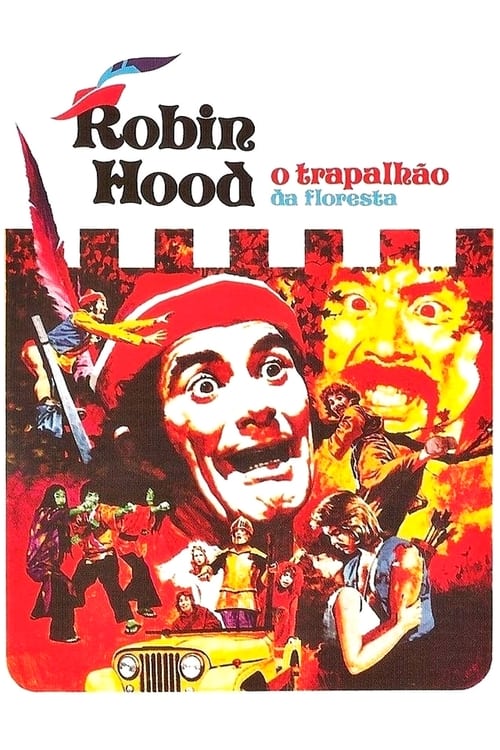
1974
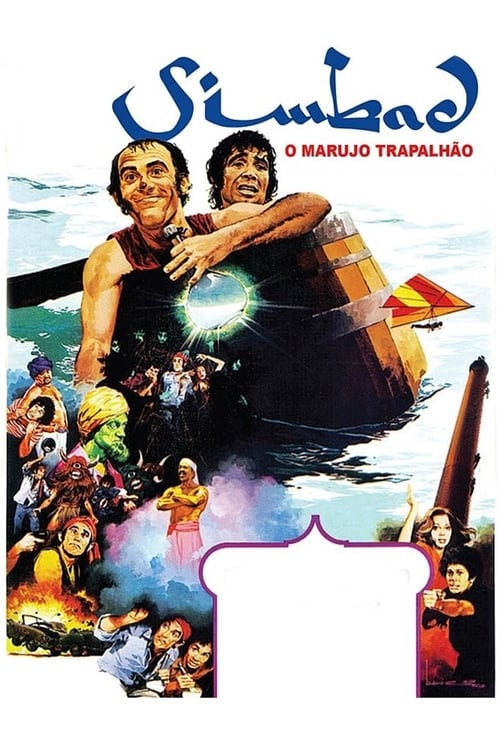
1976

1975
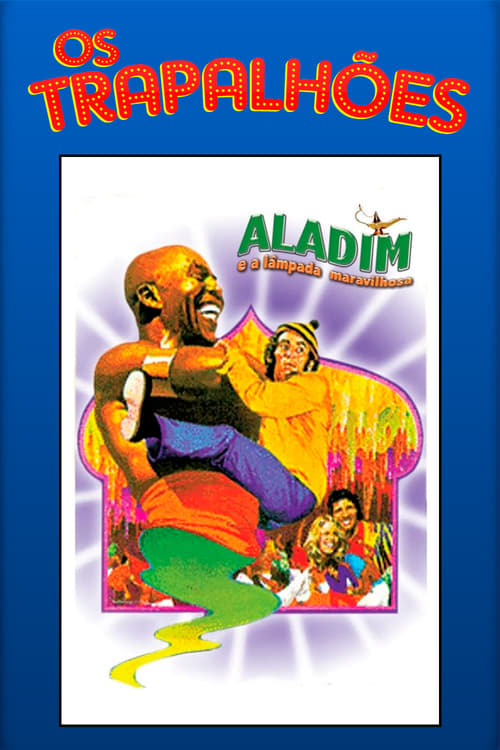
1973
No reviews yet. Be the first to share your thoughts on this movie!
Use the rating form above to leave a star rating and optional review.