Naruto the Movie: Legend of the Stone of Gelel
2005
No user ratings available yet
Representation score: 4.4 out of 10
Representation Score
Minimal
1996
UnratedDirector
Shigeyasu Yamauchi
Runtime
80 minutes
Average Rating
No ratings yetNew Showbiz Analysis
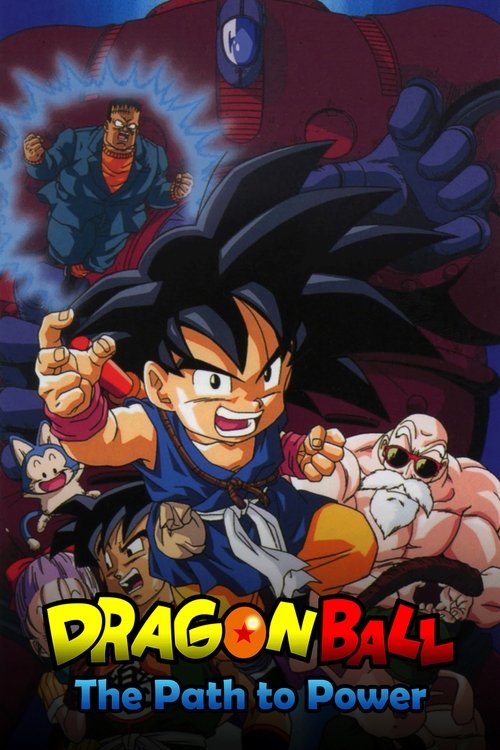
Dragon Ball: The Path to Power is a traditional adventure that emphasizes martial arts clichés over exploring diverse identities. The narrative structure reinforces conventional storytelling rather than challenging it. While Bulma brings a degree of nuance through her intellectual contributions, the film's emphasis on physical combat limits its scope. The world remains culturally specific and homogeneous, lacking engagement with diverse racial or LGBTQ+ identities. Ultimately, the film celebrates individual strength and achievement, offering little subversion of established social or moral hierarchies.
Category Breakdown
The film does not include any LGBTQ+ characters or explore non-straight relationships. The interpersonal dynamics are focused on traditional social structures.
Bulma stands out with her technical expertise, providing a contrast to the male-dominated martial arts world. However, the overall narrative emphasizes physical strength and traditional power dynamics.
The cast is predominantly East Asian, reflecting the cultural roots of the source material. The world-building focuses on a specific cultural context without diverse racial identities.
The story presents a classic good-versus-evil narrative without addressing moral relativism or critiques of social structures or organized religion.
There are no significant depictions of disabilities, either visible or invisible. Characters are primarily defined by their physical abilities and martial skills.
Present on Screen
Limited or Absent
Official Synopsis
A retelling of Dragon Ball's origin with a different take on the meeting of Goku, Bulma, and Kame-Sen'nin. It also retells the Red Ribbon Army story; but this time they find Goku rather than Goku finding them.
2005
1987
1993

1995
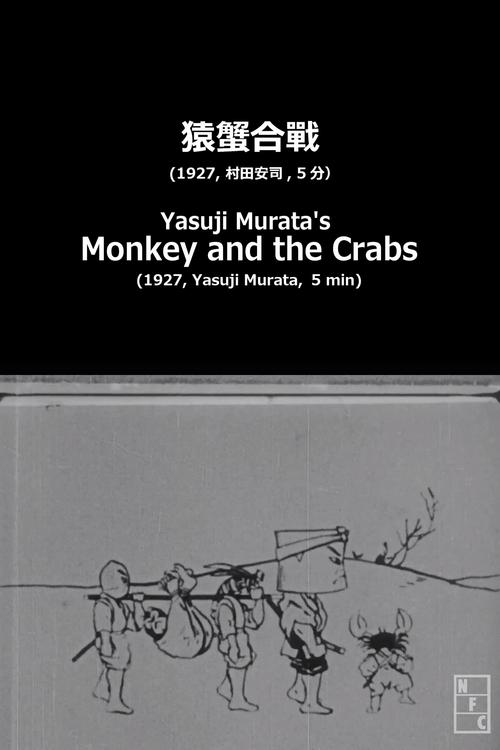
1927
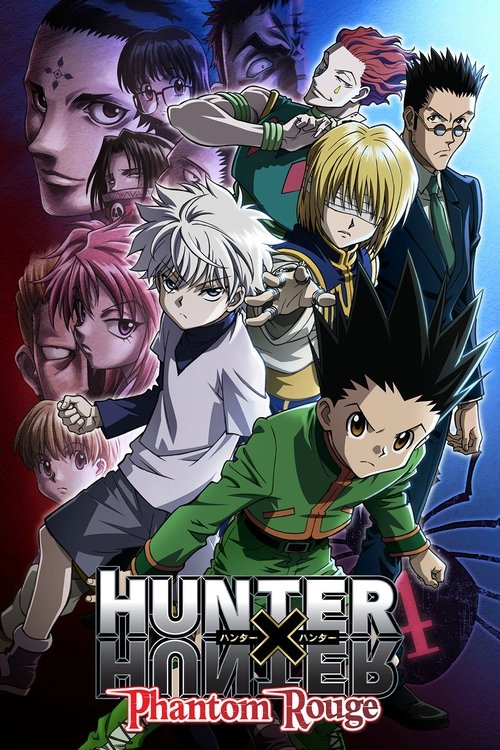
2013
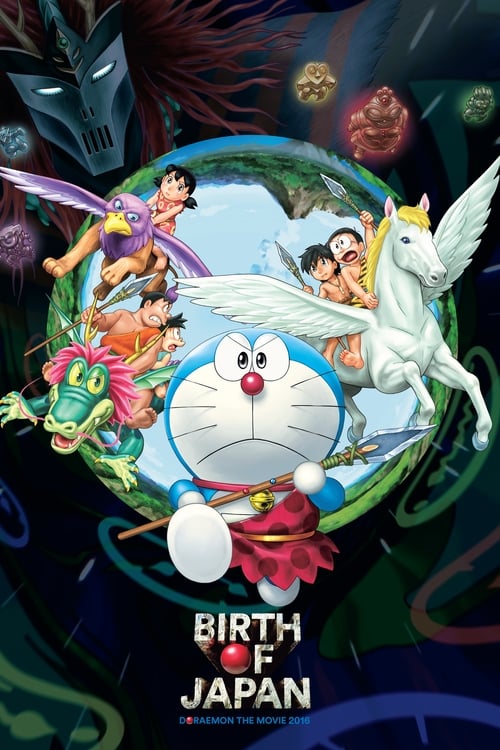
2016
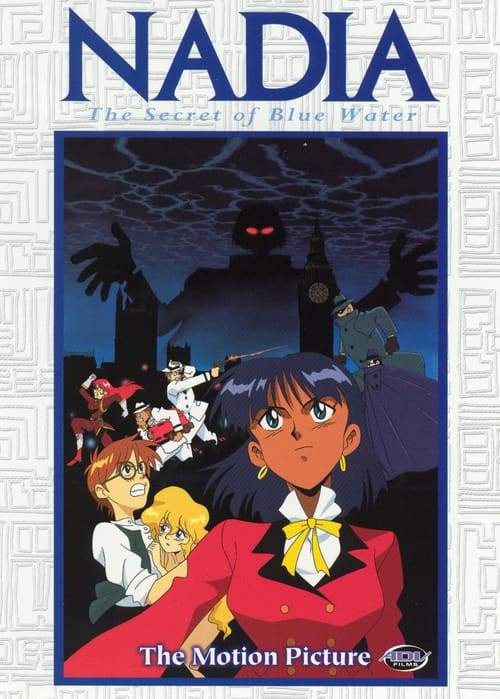
1991
No reviews yet. Be the first to share your thoughts on this movie!
Use the rating form above to leave a star rating and optional review.