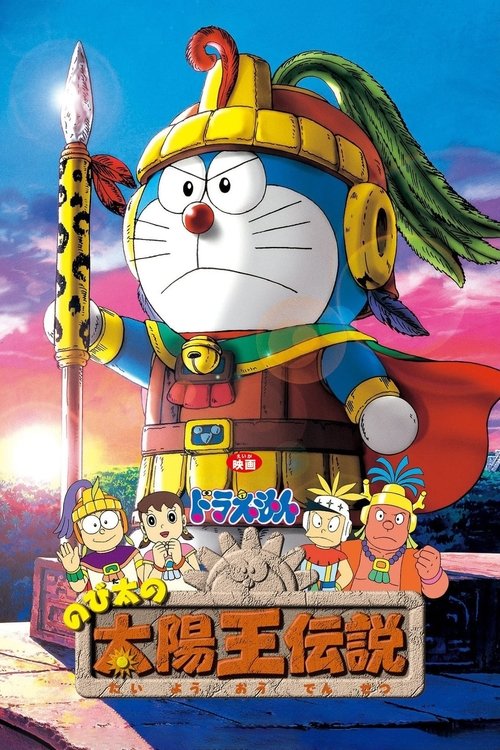
Doraemon: Nobita and the Legend of the Sun King
2000
No user ratings available yet
Representation score: 2.8 out of 10
Representation Score
Limited
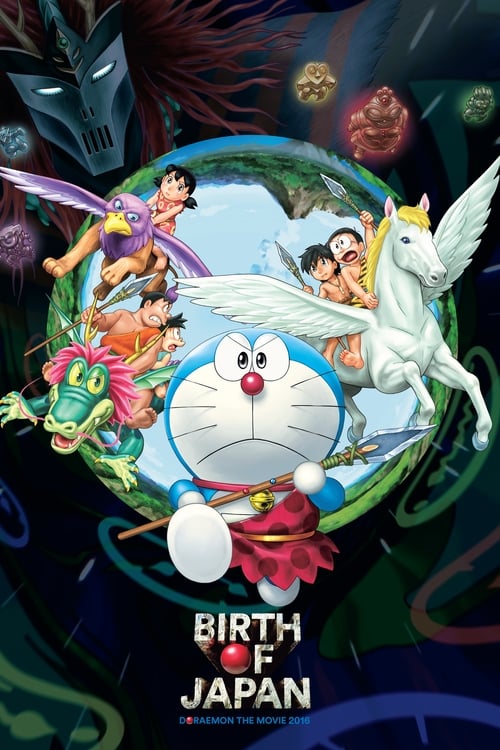
2016
Director
Shinnosuke Yakuwa
Runtime
104 minutes
Average Rating
No ratings yetNew Showbiz Analysis
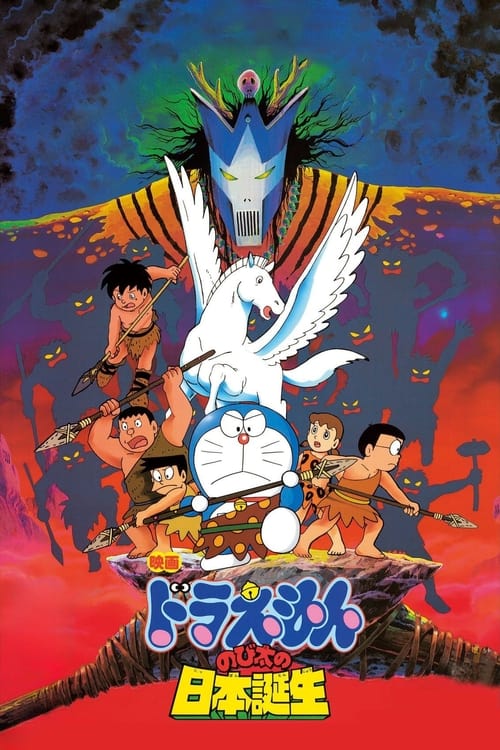
Doraemon: Nobita and the Birth of Japan functions as a classic adventure tale that prioritizes stability and established character archetypes. It uses a prehistoric setting to explore cultural origins but remains within a culturally homogeneous framework. The film relies on traditional social hierarchies and a binary moral compass, emphasizing tribal survival and cooperation without delving into the complexities of multi-layered identity or subverting systemic norms. Ultimately, the narrative is designed for traditional storytelling, lacking the intentionality needed to challenge conventional gender roles or introduce diverse social perspectives.
Category Breakdown
The film follows a strictly heterosexual and cisgender framework. There are no depictions of LGBTQ+ identities or same-sex relationships among the characters.
Gender roles follow traditional stereotypes, with Shizuka serving as the main female lead. However, her role is tied to the group rather than driving the plot independently.
The prehistoric setting allows for exploring ancestral Japanese identity. However, the cast remains culturally homogeneous without significant multi-ethnic or cross-cultural interaction.
The story relies on a binary moral framework of good versus evil. Traditional heroic clichés like cooperation and environmental protection are emphasized.
The narrative lacks characters with visible or invisible disabilities. No neurodivergent representation is used to drive character development or plot progression.
Present on Screen
Limited or Absent
Official Synopsis
Doraemon and his friends travel to ancient Japan where they meet Kukuru. When Kukuru tells them that his tribe has been enslaved by Gigazombie, Doraemon decides to help him.
2000

1992
2002
2007
1989
2014
2015

2017
No reviews yet. Be the first to share your thoughts on this movie!
Use the rating form above to leave a star rating and optional review.