
Don't Call Me Son
2016
No user ratings available yet
Representation score: 6.5 out of 10
Representation Score
Good
2020
Director
Naomi Kawase
Runtime
140 minutes
Average Rating
No ratings yetNew Showbiz Analysis
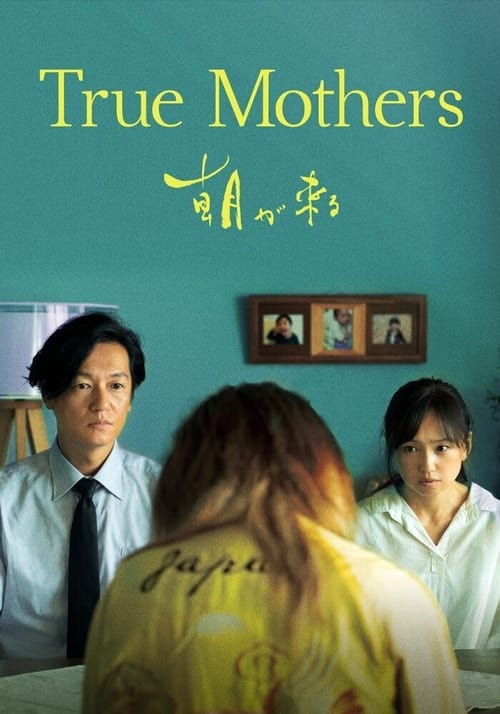
True Mothers is a contemplative character study that disrupts conventional cinematic expectations regarding the sanctity of the nuclear family. It moves away from traditionalist archetypes of maternal perfection by centering on the blurred lines between biological and social bonds. While the film lacks high scores in explicit demographic diversity, such as multi-racial casting or LGBTQ+ narratives, it achieves progressive value through thematic subversion. It replaces moralistic definitions of motherhood with a framework of situational ethics. Naomi Kawase uses a naturalistic approach to bypass didacticism. The film succeeds by prioritizing subjective emotional truths over rigid social frameworks, offering a sophisticated deconstruction of domestic clichés.
Category Breakdown
The film focuses on traditional family structures and the complexities of adoptive parenthood. It does not include explicit LGBTQ+ identities or specific critiques of the assumption that everyone is straight or cisgender.
Female protagonists play a significant role in driving the story and have deep psychological complexity. The film challenges traditional gender roles by examining the messy and unstable nature of maternal identity.
The cast is culturally uniform within a contemporary Japanese setting. It emphasizes Japanese social structures and specific socioeconomic pressures rather than reflecting multiple aspects of identity.
The film deconstructs Western-aligned ideals of the perfect family. It presents motherhood as a subjective emotional truth rather than a fixed social or biological standard.
There is no significant or central depiction of visible or invisible disabilities. The story focuses on psychological and relational dimensions of motherhood.
Present on Screen
Limited or Absent
Official Synopsis
After suffering through a long and unsuccessful series of fertility treatments, Satoko and her husband Kiyokazu make the decision to adopt a child. Six years after adopting a boy they named Asato, Satoko has quit her job to concentrate fully on her husband and son. The family lives a peaceful existence until the arrival of a stranger.
2016

2018

2018

1989
2013
1995

2024
2023
No reviews yet. Be the first to share your thoughts on this movie!
Use the rating form above to leave a star rating and optional review.