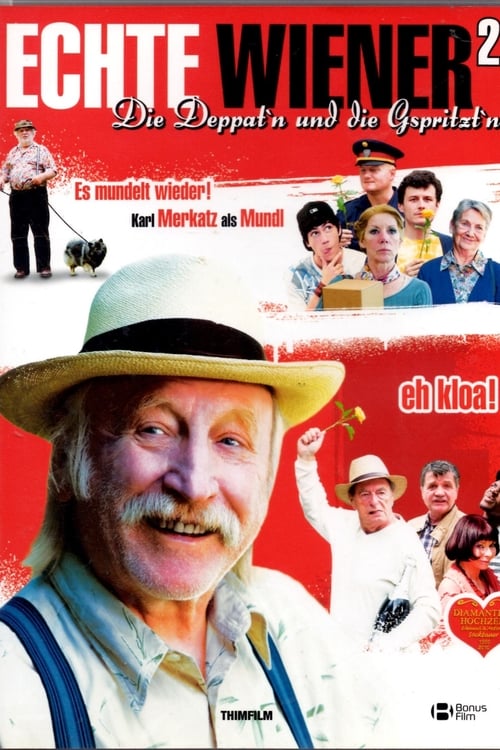
Echte Wiener 2 - Die Deppat'n und die Gspritzt'n
2010
No user ratings available yet
Diversity score: 3.2 out of 10
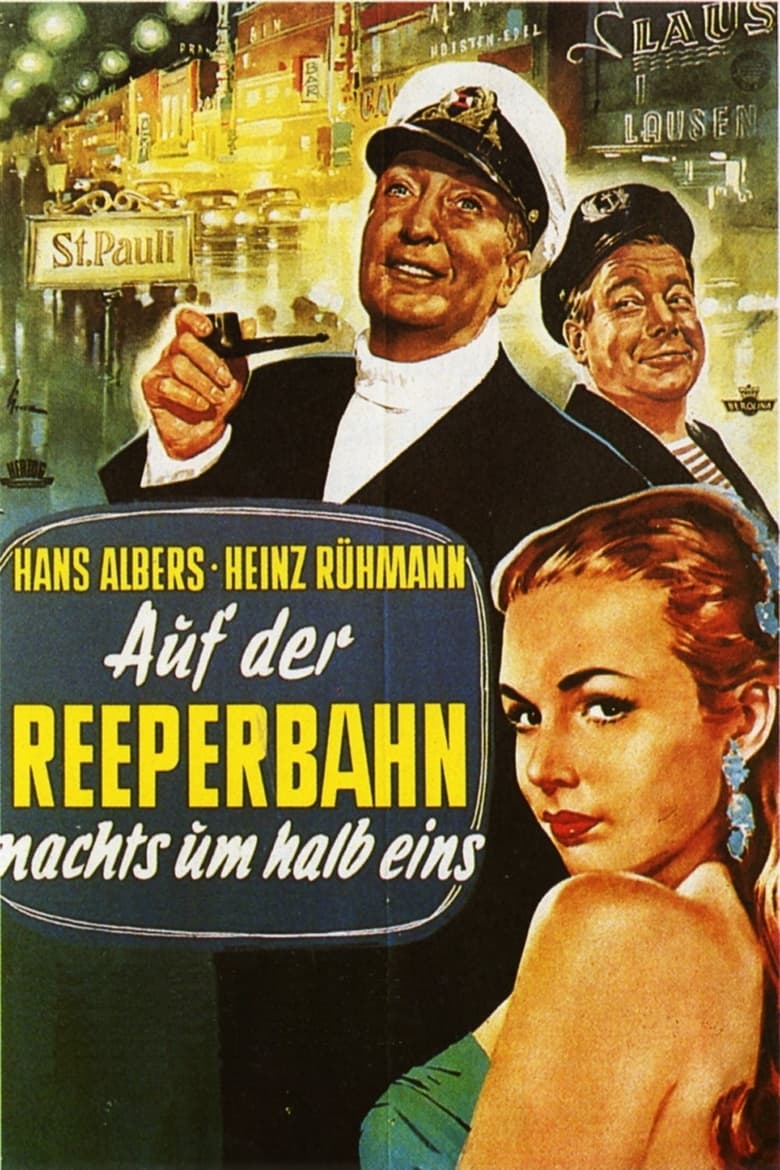
1954
Director
Wolfgang Liebeneiner
Runtime
111 minutes
Average Rating
No ratings yetSynopsis
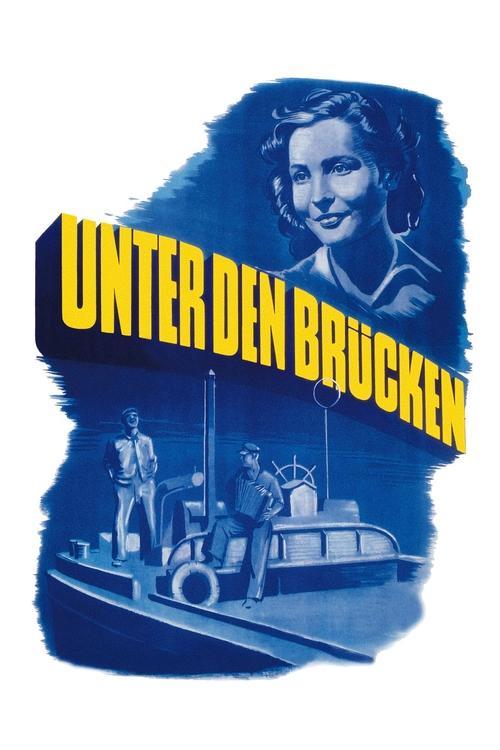
After many years on the oceans, sailor Hannes Wedderkamp has finally returned to Hamburg. On St. Pauli, Hannes sings songs from the sea in the hippodrome of his best friend Pitter Breuer on the Reeperbahn with the "Quetschkommode" songs and cares for the audience.
Overall Score
Minimal
Category Breakdown
LGBTQ+ Representation
The film adheres to strict mid-century heteronormative structures. Romantic elements follow traditional courtship tropes, offering no disruption to established gender or orientation hierarchies.
Gender Representation
Narrative architecture reinforces 1950s gender hierarchies. Female characters appear to serve as objects of affection or comedic catalysts rather than autonomous agents driving the plot.
Racial & Ethnic Diversity
The setting reflects the demographic homogeneity of the era. The cast centers on a localized, predominantly white German identity with no evidence of racial blending.
Religious & Cultural Diversity
The film celebrates local traditions like Reeperbahn nightlife and maritime songs. It prioritizes lighthearted entertainment within a stable, conventional social framework.
Disability Representation
There is no evidence of characters with visible or invisible disabilities possessing agency. The focus remains on the musical and comedic interactions of the central ensemble.
Strengths
Areas for Improvement
AI Analysis
This 1954 musical comedy is a quintessential product of its era, prioritizing conventional storytelling and social norms. It functions as a cultural artifact that reinforces established social, gender, and racial hierarchies rather than subverting them. The film lacks intersectional representation, focusing instead on a localized, homogeneous German identity. While it celebrates specific maritime and nightlife traditions, it does so within a very narrow, traditional framework. Ultimately, the narrative architecture serves to uphold mid-century West German social structures, offering little room for diverse identities or systemic critique.
2010

1950
1959
1970

2021
2004

1959
1949

1971
1999

1950
1946
No reviews yet. Be the first to share your thoughts on this movie!
Use the rating form above to leave a star rating and optional review.