
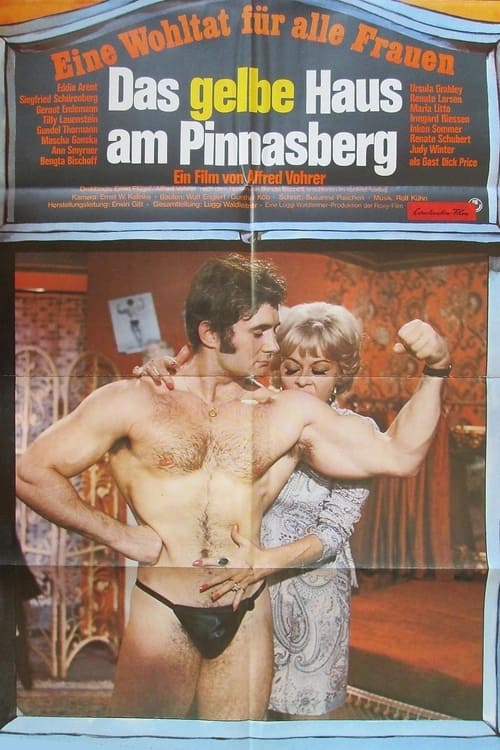
A Very Moral Night
1977
No user ratings available yet
Representation score: 5.9 out of 10
Representation Score
Limited
1970
RDirector
Alfred Vohrer
Runtime
96 minutes
Average Rating
No ratings yetNew Showbiz Analysis
The film offers a unique look at gendered power dynamics by positioning women as the economic drivers in a commercialized sexual setting. This subversion of traditional roles provides a layer of social interest beyond standard genre clichés. However, the narrative remains limited by a lack of multi-layered depth. The focus on a business transaction and a patriarchal figure's family life suggests a conventional structure that prioritizes traditional social transitions over systemic critique. Ultimately, the absence of racial, LGBTQ+, and disability representation results in a narrow social scope, making the film a localized study of gendered roles rather than a diverse social tapestry.
Category Breakdown
The film explores a scenario where women are the main consumers in a commercialized sexual environment. There is no explicit mention of queer identities or same-sex relationships.
Wealthy women play a dominant economic role, challenging traditional clichés of male-driven sexual commerce. However, the central plot revolves around a patriarchal figure selling his business.
The film lacks evidence of a multi-ethnic or non-white cast. The setting suggests a focus on a localized, homogeneous social stratum typical of 1970s West German cinema.
The setting of a brothel offers a secular, transactional morality that contrasts with traditional Christian norms. The story centers on conventional social stability and family transitions.
There is no information available regarding the portrayal of characters with physical or neurodivergent disabilities.
Present on Screen
Limited or Absent
Official Synopsis
The story of a Hamburg brothel in which the wealthy female clientele spend a lot of money on the male employees. When the boss of the house has happily married off his daughter, he sells his establishment - just in time before it literally collapses.
1977
2011

1970

1974
1983

1991

1975

1971
No reviews yet. Be the first to share your thoughts on this movie!
Use the rating form above to leave a star rating and optional review.