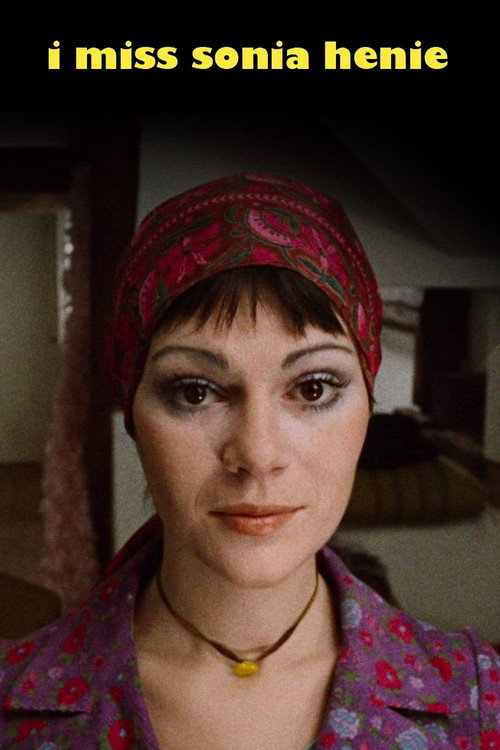
I Miss Sonia Henie
1971
No user ratings available yet
Representation score: 6.2 out of 10
Representation Score
Good
1983
Director
Jim Jarmusch
Runtime
32 minutes
Average Rating
No ratings yetNew Showbiz Analysis
Jim Jarmusch’s film challenges traditional social structures by rejecting the 'hero's journey' in favor of existential wandering. Its strength lies in undermining conventional gender roles and the nuclear family. However, the film remains narrowly focused on a specific white, Anglo-Saxon subculture, limiting broader demographic representation. Ultimately, it prioritizes critiquing Western institutions over diverse representation.
Category Breakdown
The film focuses on fleeting, casual relationships rather than exploring specific LGBTQ+ identities. It doesn't include clear representations of same-sex relationships or non-binary genders, maintaining a focus on heterosexual dynamics.
Adriane has a strong presence, moving through urban environments independently without needing male approval. Masculinity is shown through aimlessness and passivity, challenging traditional views of strength and dominance.
The cast is mainly white and Anglo-Saxon, representing a specific American Midwest culture. While it avoids stereotypes, the film lacks significant ethnic diversity among its main characters.
The story questions the American Dream by emphasizing existentialism over traditional values like religion or stable families. It highlights boredom and aimlessness to challenge conventional social norms.
The film does not prominently feature physical or neurodivergent disabilities as key themes. Characters experience psychological unease, but it isn’t framed through the lens of disability.
Present on Screen
Limited or Absent
Official Synopsis
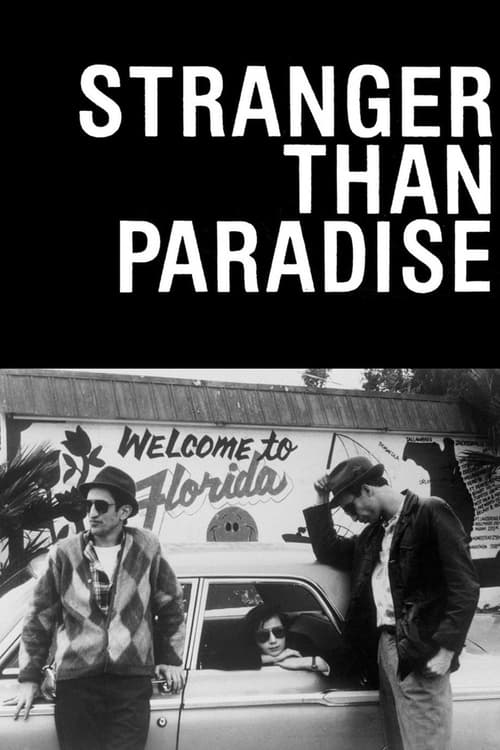
30-minute short subject film that would become Stranger Than Paradise. This short was released as a standalone film in 1982, and shown as "Stranger Than Paradise" at the 1983 International Film Festival Rotterdam. When it was later expanded into a three-act feature, that name was appropriated for the feature itself, and the initial segment was renamed "The New World".
1971
1987
1984
2007
2009

2004

1982
1987
No reviews yet. Be the first to share your thoughts on this movie!
Use the rating form above to leave a star rating and optional review.