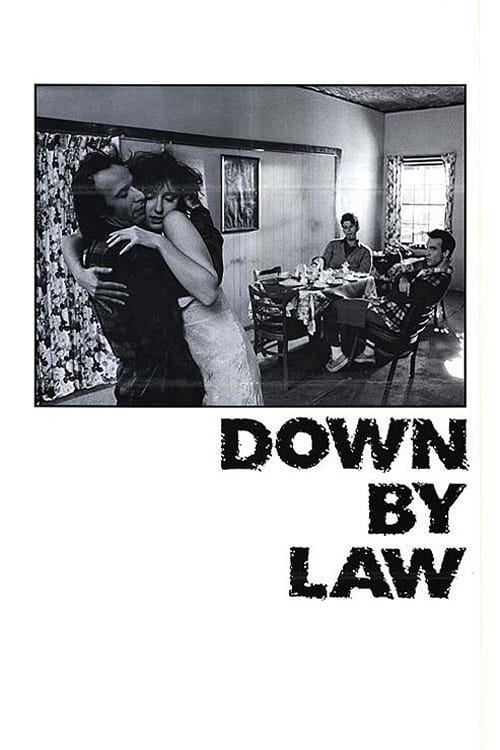
Down by Law
1986
No user ratings available yet
Representation score: 2.6 out of 10

Representation Score
Good
1984
RDirector
Jim Jarmusch
Runtime
90 minutes
Average Rating
No ratings yetNew Showbiz Analysis
Jim Jarmusch’s film disrupts mainstream cinema by focusing on characters who exist outside traditional capitalist and moral hierarchies. Its strength lies in its cultural critique, valuing the 'unproductive' and 'aimless' over conventional success stories. However, the film falls short in explicitly representing LGBTQ+ identities and disabilities. While it showcases a diverse, multi-ethnic cast, it tends to prioritize socioeconomic issues over specific ethnic or identity-driven narratives. Ultimately, the work serves as a critique of societal structures rather than a deep exploration of identity politics, positioning it as a cornerstone of independent cinema that questions our definitions of human value.
Category Breakdown
The film does not include explicit LGBTQ+ characters or storylines focused on queer relationships. Instead, it focuses on traditional romantic friendships without structured courtship.
Eva actively shapes her own journey and avoids being portrayed in a submissive manner. On the other hand, male characters like Willie challenge typical masculine roles through their passive and less authoritative behavior.
The cast includes a variety of ethnicities, reflecting a diverse urban environment. However, the story emphasizes socioeconomic struggles over specific ethnic identities and their unique experiences.
The film stands out by questioning Western institutions and capitalist values, presenting aimless lifestyles as valid ways of living outside organized systems.
The film does not specifically address physical or neurological disabilities. While it explores psychological isolation and distress, it lacks detailed representation of specific disabilities.
Present on Screen
Limited or Absent
Official Synopsis
New York layabout Willie forms an unexpected bond with his young Hungarian cousin Eva when she pays him a surprise visit. Later, Eva moves in with their aunt in Cleveland, and Willie takes his best friend Eddie to see her—a visit that culminates in a strange, eventful trip to Florida.
1986
1989

1987
1989
1991

1981

2012
1997
No reviews yet. Be the first to share your thoughts on this movie!
Use the rating form above to leave a star rating and optional review.