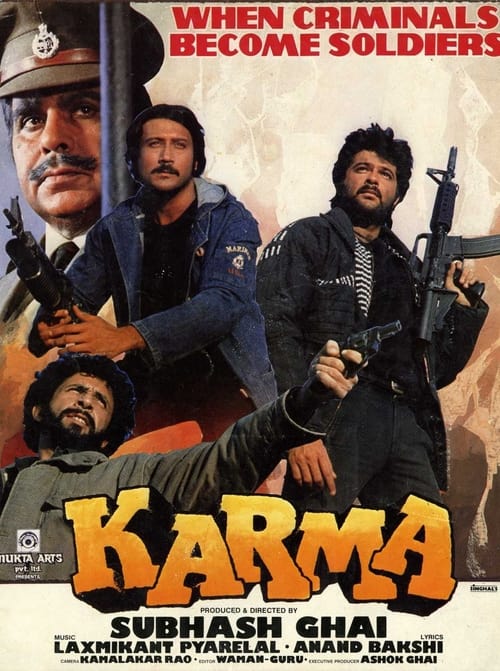
Karma
1986
No user ratings available yet
Representation score: 3.6 out of 10
Representation Score
Limited
1978
Director
Subhash Ghai
Average Rating
No ratings yetNew Showbiz Analysis
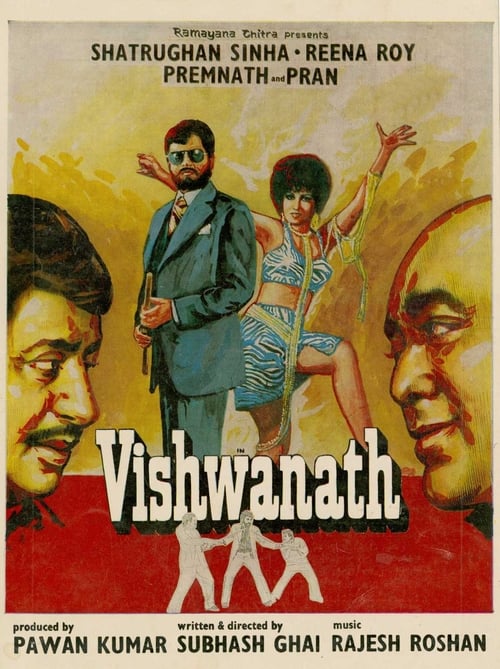
Vishwanath is a classic Masala film that prioritizes high-stakes melodrama and moral binaries. It reflects the socio-cultural constraints of 1970s Indian cinema, focusing on individual struggles and traditional hierarchies. The narrative relies heavily on archetypes, such as the righteous man and the reactive female lead. While it offers a culturally authentic look at urban Indian social stratification, it does not challenge existing power dynamics. Ultimately, the film functions as a moral fable. It emphasizes personal honor and the restoration of social order through traditional gender and social roles.
Category Breakdown
The film does not include any LGBTQ+ characters or non-assuming gender matches what was assigned at birth identities. The romantic storyline focuses solely on the protagonist's relationship with Soni, following traditional norms.
Gender roles adhere to traditional hierarchies, with Vishwanath as the main driver of the plot. Soni provides emotional support but remains largely reactive to the protagonist's journey.
The cast is culturally homogeneous, reflecting a South Asian context. It maintains localized authenticity without the Western-centric casting often seen in global cinema.
The story upholds traditional values and the sanctity of the family unit. It operates on a clear moral binary of good versus evil without critiquing systemic issues.
Munni is portrayed as a disabled character used mainly as a plot device. Her disability serves to heighten the protagonist's vulnerability rather than providing nuanced development.
Present on Screen
Limited or Absent
Official Synopsis
An honest lawyer, Vishwanath is implicated and imprisoned at the behest of powerful underworld don, GNK and his associates. After his release from prison, Vishwanath decides to seek vengeance, but finds out that it is virtually impossible to do this through due process of law. So he decides to change his identity, hire a gang of crooks and assassins, to carry out his vendetta. Not realizing that in doing this he is alienating himself from the love of his life, Soni; and making himself a wanted man by the police, leaving his crippled sister, Munni and mom, Shanti to fend for themselves, and at the mercy of GNK and his associates.
1986
1975
1985

1982

1989
1984
1982
1984
No reviews yet. Be the first to share your thoughts on this movie!
Use the rating form above to leave a star rating and optional review.