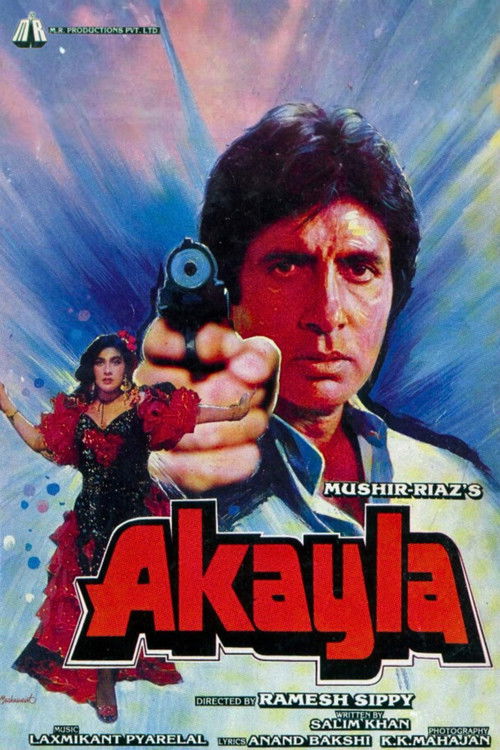
Akayla
1991
No user ratings available yet
Representation score: 4.2 out of 10
Representation Score
Limited
1986
Director
Subhash Ghai
Runtime
192 minutes
Average Rating
No ratings yetNew Showbiz Analysis
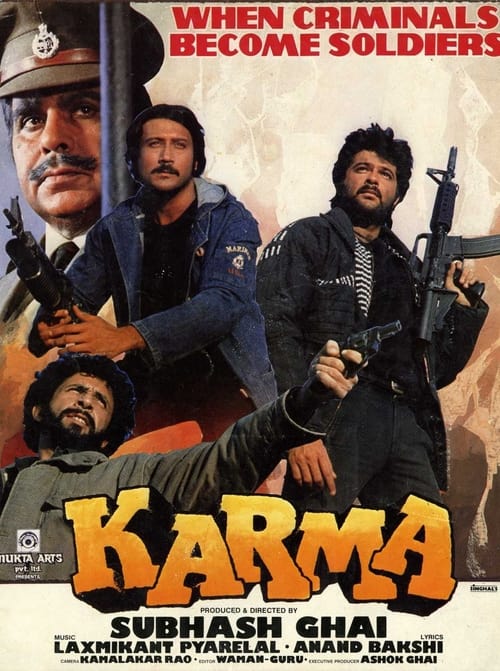
Karma is a quintessential 1980s masala film that prioritizes high-stakes melodrama and traditional archetypes. It functions as a cultural artifact that reinforces conventional social hierarchies rather than challenging them. The film excels in ethnic authenticity for its target demographic, providing a cohesive South Asian setting. However, it relies heavily on patriarchal leadership and traditional gender roles to drive its revenge motif. Ultimately, the production lacks complexity in reflecting multiple aspects of identity. It operates within a binary framework that favors established familial and masculine structures over progressive or subversive narratives.
Category Breakdown
The film doesn't include any LGBTQ+ characters or non-cisgender identities. Romantic storylines follow traditional heterosexual models typical of 1980s mainstream Indian cinema.
The male protagonist dominates the story, focusing on masculine ideas of vengeance and patriarchal leadership. Female characters mainly play supporting or romantic roles.
The cast presents a unified South Asian cultural backdrop. An international terrorist group introduces global conflict but serves more as a plot device than a detailed exploration.
The story highlights the importance of family and duty within a traditional moral framework. It prioritizes established social structures over subversive or secularist ideas.
There is no significant or nuanced portrayal of visible or invisible disabilities. Characters are defined by physical strength rather than ability to act-driven disability representation.
Present on Screen
Limited or Absent
Official Synopsis
When senior police inspector Vishwa Pratap Singh arrests Dr. Michael Dang, the leader of the international terrorist group PSO, the group blast the jail Dang is lodged in killing huge numbers of inmates including two of Vishwa's sons and his daughter-in-law; with Dang escaping in the process. Vishwa, who now calls himself Dada Thakur, enlists three death row inmates and sets out to avenge his family's slaughter.
1991
1975
1982

1981
1978
1984

1989
1994
No reviews yet. Be the first to share your thoughts on this movie!
Use the rating form above to leave a star rating and optional review.