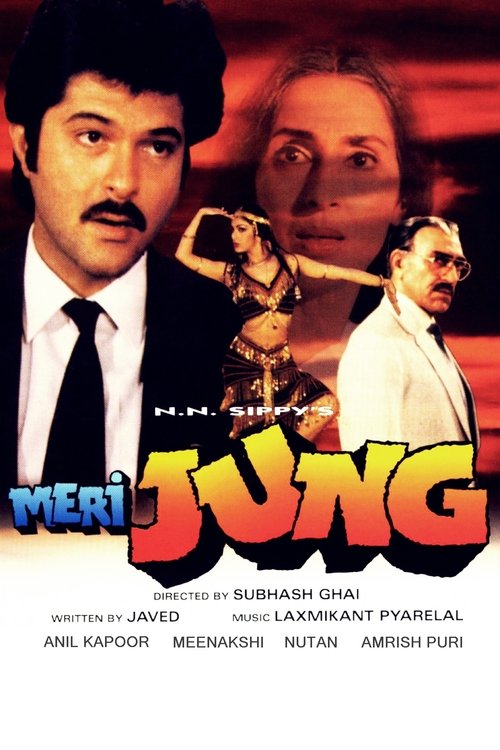
Meri Jung
1985
No user ratings available yet
Representation score: 3.7 out of 10
Representation Score
Limited
1984
Director
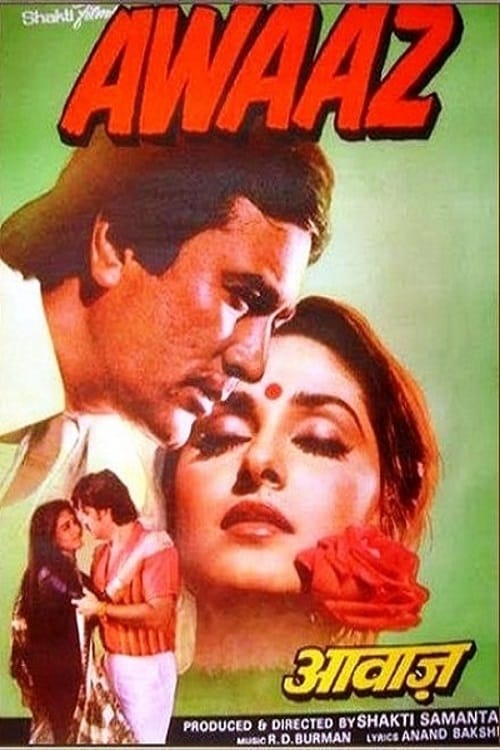
Shakti Samanta
Runtime
150 minutes
Average Rating
No ratings yetNew Showbiz Analysis
Awaaz is a quintessential product of 1980s Indian commercial cinema, prioritizing melodramatic conflict and individual retribution over systemic critique. The narrative structure relies on established social hierarchies and traditional moral binaries. The film's lack of diversity reflects its era, centering on a male-driven quest for justice, where female characters are primarily victims or domestic figures. It does not engage with postmodern moral relativism or multi-layered identities, focusing instead on the personal failings of specific characters.
Category Breakdown
The film does not include any LGBTQ+ characters or narratives. Social and romantic dynamics follow strict heterosexual norms typical of the 1980s.
Gender roles follow traditional stereotypes. The female protagonist drives the plot through trauma, while the male lead's pursuit of vengeance dominates the narrative.
The cast is culturally homogeneous, reflecting the film's Indian production context. There is no evidence of whitewashing or diverse cultural blending.
The story focuses on individual morality and the tension between law and justice. Traditional views of family and social structures are maintained.
There is no significant evidence regarding the inclusion or portrayal of characters with physical or neurodivergent disabilities.
Present on Screen
Limited or Absent
Official Synopsis
Advocate Jayant defends his clients and gets them off the hook, even if they are guilty. However, when his wife is raped by the son of a gangster he has been defending, he vows to take revenge.
1985
1983

1998
1995
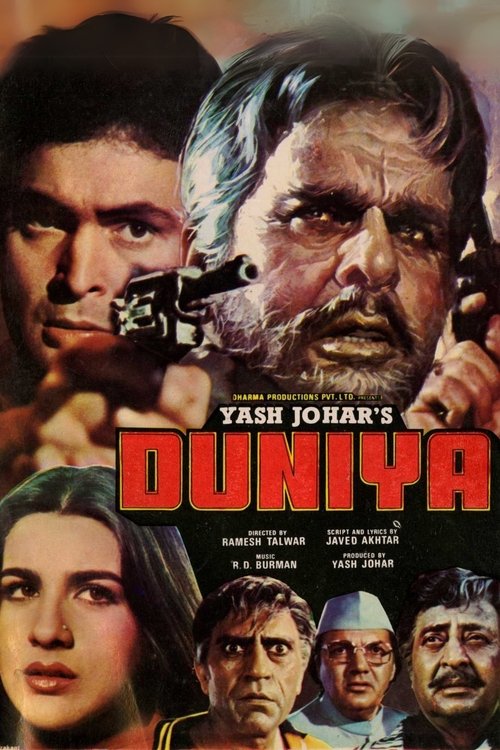
1984
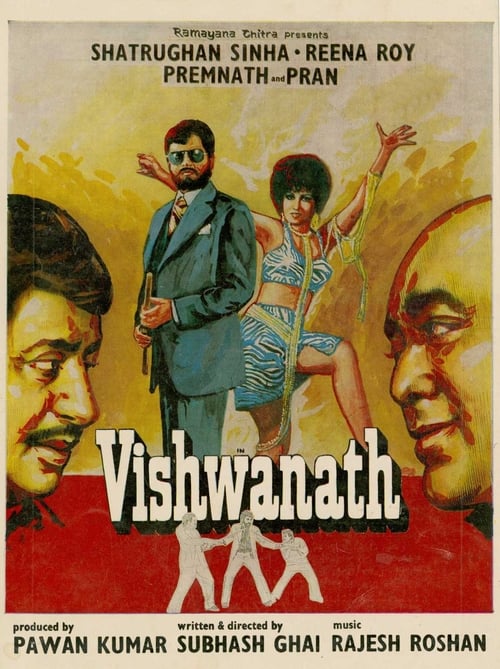
1978
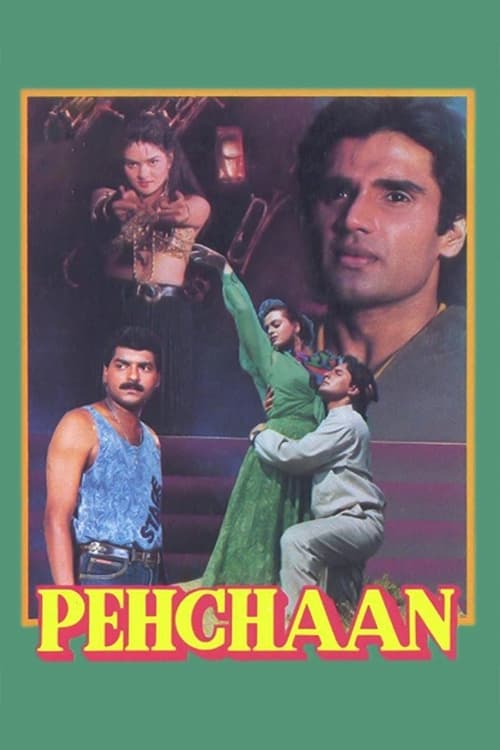
1993
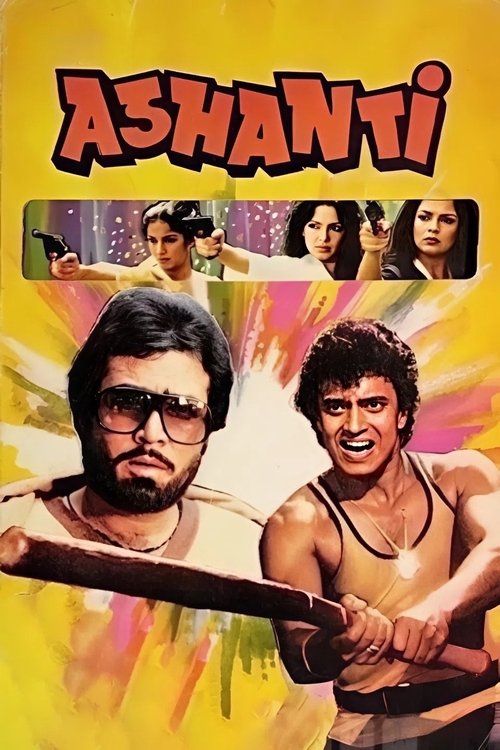
1982
No reviews yet. Be the first to share your thoughts on this movie!
Use the rating form above to leave a star rating and optional review.