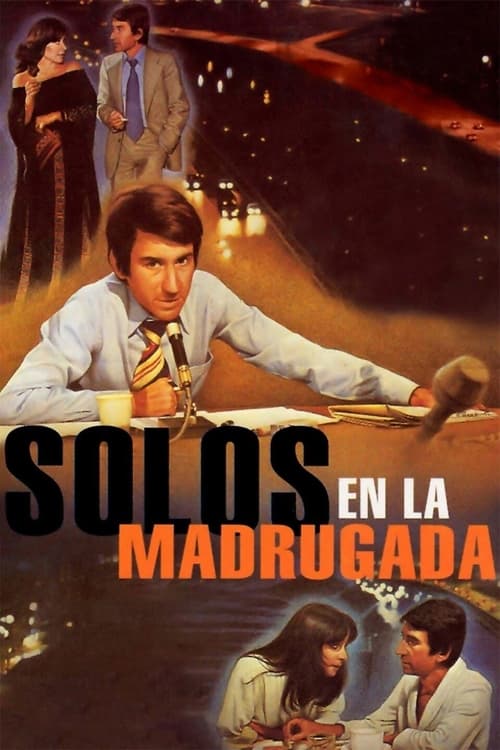
Alone in the Small Hours
1978
No user ratings available yet
Representation score: 4.1 out of 10

Representation Score
Good
1995
Director
Juan Carlos de Llaca
Runtime
86 minutes
Average Rating
No ratings yetNew Showbiz Analysis
On the Air is a character-driven drama that finds its strength in its cultural specificity. By centering a Mexican perspective, it avoids the Western-centric dominance often seen in global cinema, offering a localized narrative structure. However, the film remains largely within traditional narrative boundaries. It lacks the multi-layered subversion or identity-focused exploration found in more contemporary works, particularly regarding LGBTQ+ and disability representation. Ultimately, the film is a study of individual memory and interpersonal dynamics. While culturally specific, it does not actively challenge social hierarchies or explore diverse identity-based struggles.
Category Breakdown
The film adheres to a conventional framework that assumes everyone is straight or cisgender. It focuses on Alberto's romantic relationship with Ana, without showing any clear evidence of queer identities or same-sex relationships.
Female characters such as Ana bring a moderate level of complexity to gender issues. However, the film does not specifically challenge traditional gender hierarchies or the dominance of traditional masculinity.
As a Mexican production, the film features a predominantly non-Anglo-Saxon cast. This cultural specificity offers a meaningful contrast to the homogeneity often found in globalized media.
The story delves into nostalgia and the evolving social landscapes of the 1960s. It focuses on the psychological experiences of individuals rather than explicit political or anti-Western sentiments.
There is no noticeable focus on visible or invisible disabilities among the characters. They are defined primarily by their professional roles and emotional histories rather than physical or neurodivergent traits.
Present on Screen
Limited or Absent
Official Synopsis
Alberto is a disc-jockey at a radio station. His life is torn apart by the memories of his ex-wife and his free and careless life in the 60s. Alberto remembers, and his memories don't let him live his present life with Ana, his current girlfriend.
1978

1963
1976
1970
2009

2023

2019
1984
No reviews yet. Be the first to share your thoughts on this movie!
Use the rating form above to leave a star rating and optional review.