
I'm Not Here
2017
No user ratings available yet
Representation score: 5.2 out of 10
Representation Score
Excellent
2009
Director
Zaida Bergroth
Runtime
126 minutes
Average Rating
No ratings yetNew Showbiz Analysis
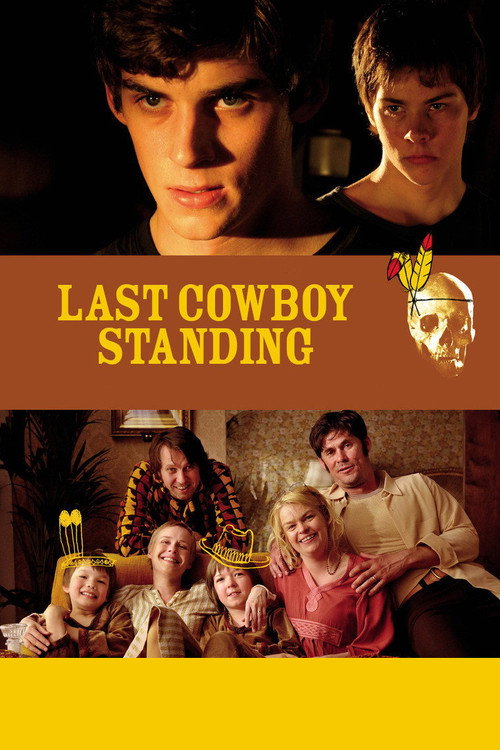
Last Cowboy Standing is a character-focused film that prioritizes psychological depth over external action. It breaks down traditional coming-of-age clichés by offering a sophisticated, morally complex exploration of identity and consequences. The film dismantles conventional hierarchies through its emphasis on vulnerability and internal conflict. It uses the tension between past and present to critique the rigidity of social norms. However, its focus on a localized 1982 Swedish setting may limit broader racial and ethnic representation. The narrative remains deeply internal and psychological.
Category Breakdown
Set in 1982, the film explores identity during a specific era. Though romantic relationships aren't explicitly stated, the narrative hints at a potential for nuanced, non-traditional social dynamics.
Director Zaida Bergroth steers away from typical masculine stereotypes. Instead, she emphasizes a vulnerable, psychologically intricate portrayal of male identity rather than conventional stoicism.
Reflecting 1982 Sweden, the film likely portrays a local demographic reality. It focuses on individual psychological trauma rather than broader societal or ethnic diversity.
The story adopts a relativistic perspective on human behavior. By emphasizing subjective morality and guilt, it avoids rigid moral absolutes in favor of complex social accountability.
The narrative centers on the protagonist's intense psychological state. This highlights mental health struggles or neurodivergent experiences as key plot elements.
Present on Screen
Limited or Absent
Official Synopsis
In 1982 the guilt-ridden 18-year-old Rupert tries to remember and understand the events of the past amidst the chaos of the present.
2017
1997

2019
2010

2019

2023
1988

2001
No reviews yet. Be the first to share your thoughts on this movie!
Use the rating form above to leave a star rating and optional review.