
Man and a Baby
2017
No user ratings available yet
Representation score: 4.1 out of 10
Representation Score
Limited
1998
Director
Peter Gren Larsen
Runtime
81 minutes
Average Rating
No ratings yetNew Showbiz Analysis
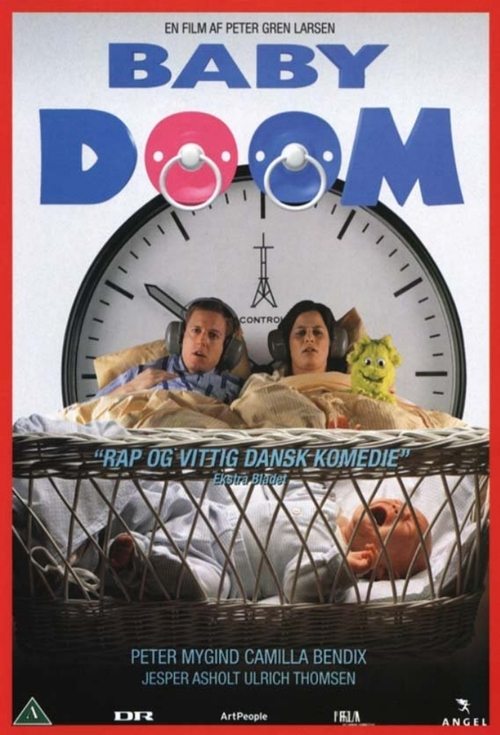
Baby Doom follows a traditional narrative structure centered on the domestic realism of a young couple facing unexpected parenthood. The story focuses on the tension between professional ambition and the realities of raising a child, adhering to conventional storytelling clichés. The film lacks complexity, as there is no evidence of LGBTQ+ representation, racial diversity, or systemic subversion. The focus remains strictly on the interpersonal and professional conflicts of a heterosexual pair. Ultimately, the film presents a conventional view of the nuclear family and career-life balance without challenging broader social or cultural structures.
Category Breakdown
The film centers on a heterosexual couple, Max and Nicoline. There are no queer-coded characters or narratives that challenge the assumption that everyone is straight or cisgender.
The story explores domestic friction and dual-career struggles between a programmer and a chef. However, it lacks explicit challenges to gender hierarchies or the roles women play in domestic settings.
The narrative focuses on the protagonists' professional struggles without mentioning a diverse cast. It appears to default to a conventional, potentially homogeneous depiction of young professionals.
The film examines the disruption of career-oriented lifestyles by parenthood. While using gallows humor, it avoids a systemic critique of Western values or the nuclear family.
The provided context contains no mention of characters with visible or invisible disabilities, neurodivergence, or chronic illness.
Present on Screen
Limited or Absent
Official Synopsis
Max is a programmer, Nicoline is a chef, and they are both young, in love, and ambitious. Then lightning strikes: they have a baby. From that day on, nothing is ever the same again. Max, who has just been promoted, is certain he has everything well in hand. He has just invented the LifeOrganizer interactive personal scheduler designed to make life easier. But having to endure a baby with colic, piled-up washing and missed deadlines, Max and Nicoline's bachelor lifestyle is put to the test. There are only 24 hours in a day, or are there? With many wacky smiles and lashings of gallows-humour Peter Gren Larsen depicts the stressed out situation young couples face when baby throws a spanner in your career. Max and Nicoline go through an awful lot, including a trial separation, before they accept that kids change your life.
2017
1985
2000

2013
1979
1987

1999

1983
No reviews yet. Be the first to share your thoughts on this movie!
Use the rating form above to leave a star rating and optional review.