
Raising Helen
2004
No user ratings available yet
Representation score: 4.2 out of 10
Representation Score
Fair
1987
PGDirector
Charles Shyer
Runtime
110 minutes
Average Rating
No ratings yetNew Showbiz Analysis
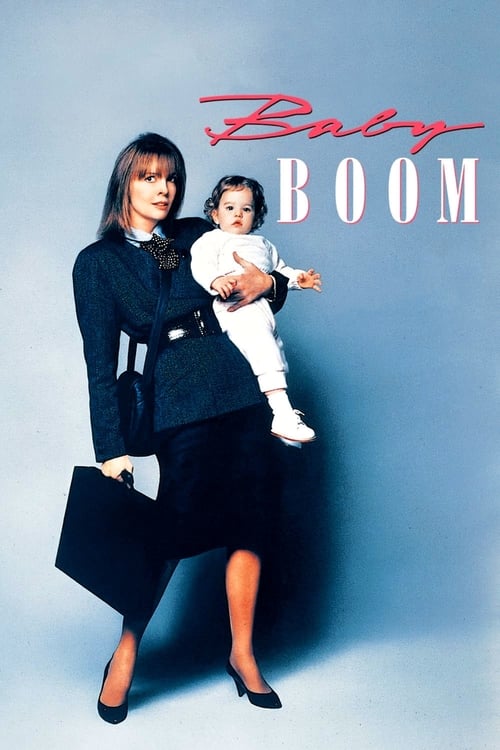
Baby Boom is a character-driven film that prioritizes gender-based empowerment over broader diversity. It successfully deconstructs 1980s gender roles by showcasing a woman reclaiming authority in a professional landscape designed to sideline her. However, the film remains confined to a narrow demographic perspective. The absence of racial, LGBTQ+, and disability representation limits its scope, making the world feel socially isolated. Ultimately, the film's progressive value lies in its subversion of traditional domestic expectations, even as it remains anchored in a specific, homogeneous socioeconomic context.
Category Breakdown
The film does not include any visible depictions of LGBTQ+ identities or subtext. There are no characters who identify as part of the LGBTQ+ community.
J.C. Wiatt is a strong female lead who challenges the submissive female stereotype. She maintains her professional identity while navigating the challenges of motherhood.
The film focuses almost entirely on a homogeneous, white, upper-middle-class professional environment. It lacks diverse racial or ethnic perspectives within its New York setting.
The film critiques the rigidity of corporate environments and traditional leadership. It explores the tension between capitalist structures and the disruption of the traditional family unit.
There is no significant presence of visible or invisible disabilities. Character challenges are primarily socioeconomic and situational rather than related to physical or neurodivergent impairments.
Present on Screen
Limited or Absent
Official Synopsis
J.C. Wiatt is a talented and ambitious New York City career woman who is married to her job and working towards partner at her firm. She has a live-in relationship with Steven, a successful investment broker who, along with J.C., agreed children aren't part of the plan. J.C.'s life takes an unexpected turn when a distant relative dies and the will appoints her the caretaker of their baby girl, Elizabeth. The baby's sudden arrival causes Steven to leave, breaking off their relationship. Juggling power lunches and powdered formula, she is soon forced off the fast track by a conniving colleague and a bigoted boss. But she won't stay down for long. She'll prove to the world that a woman can have it all and on her own terms too!
2004

1977

1988

1988

2010

1983

1989
1958
No reviews yet. Be the first to share your thoughts on this movie!
Use the rating form above to leave a star rating and optional review.