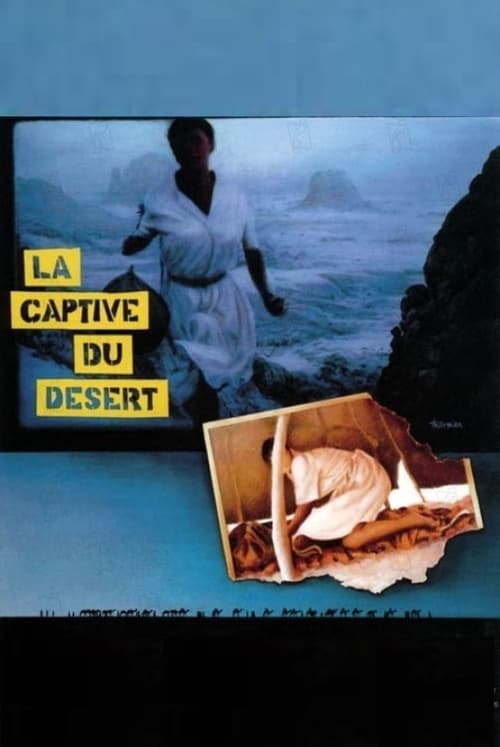
Captive of the Desert
1990
No user ratings available yet
Representation score: 2.8 out of 10
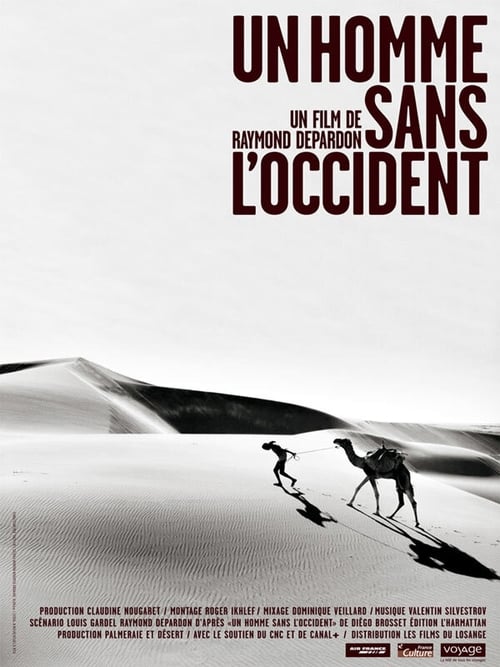
Representation Score
Minimal
2003
Director
Raymond Depardon
Runtime
104 minutes
Average Rating
No ratings yetNew Showbiz Analysis
Raymond Depardon's work emphasizes ethnographic accuracy and observational realism over breaking down social hierarchies. The film concentrates on documenting a specific, traditional, and homogeneous social environment. Because it stays true to the historical and environmental context, it doesn't explore the overlapping aspects of identity. It does not aim to challenge typical patterns or introduce varied perspectives. Ultimately, the film serves as a study of cultural continuity rather than a tool for social change or broad representation.
Category Breakdown
The film does not include any LGBTQ+ characters or stories about non-straight identities.
The movie follows traditional gender roles and social structures without challenging or changing them.
The film focuses on a mostly white, rural population, reflecting the demographics of the area rather than aiming for diverse representation.
The film highlights a lifestyle separate from modern consumer culture, emphasizing the continuation of local traditions and community structures.
The film does not focus on disability as a main theme. There are no neurodivergent or physically disabled main characters.
Present on Screen
Limited or Absent
Official Synopsis
Loosely based on Diégo Brosset’s novel, set in the Sahara at the beginning of the twentieth century. A man of the desert is adopted by some hunters and becomes a highly respected guide while trying to escape colonization.
1990
1988
2011

1964
1995
2010

2007

2011
No reviews yet. Be the first to share your thoughts on this movie!
Use the rating form above to leave a star rating and optional review.