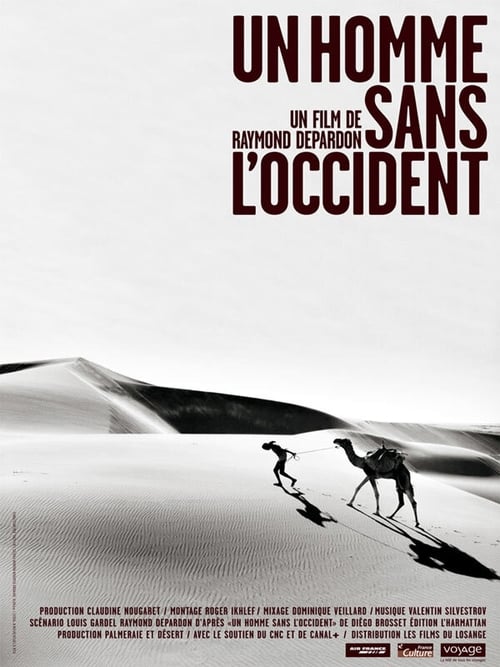
Untouched by the West
2003
No user ratings available yet
Representation score: 0.9 out of 10
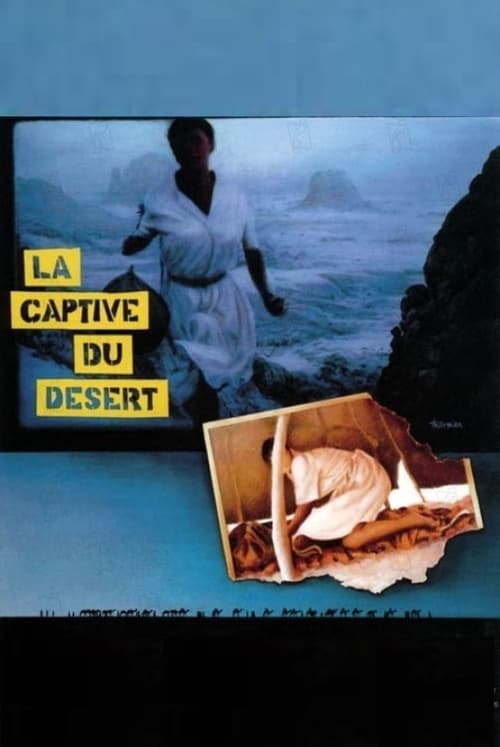
Representation Score
Limited
1990
Director
Raymond Depardon
Runtime
98 minutes
Average Rating
No ratings yetNew Showbiz Analysis
Captive of the Desert functions as a minimalist drama that shifts the narrative focus toward a North African setting. By centering a conflict involving local rebels, the film moves away from homogeneous Western storytelling. However, the film lacks specific character data to confirm if it provides high ability to act to its non-Western cast. The tension appears to stem from geographic and ethnic inclusion rather than deep, multi-layered character development. Ultimately, the work serves as a study of tension and ambiguity, providing a baseline of cultural inclusion without offering explicit narrative architecture driven by identity.
Category Breakdown
The film does not provide any information about queer narratives or non-straight identities. There are no specific character details to assess LGBTQ+ representation.
The story relies on traditional power dynamics between a researcher and rebels. Women do not occupy roles of high ability to act or challenge gender hierarchies.
The film engages with North African settings and characters, moving away from a purely Western perspective. However, it lacks evidence of deep complexity reflecting multiple aspects of identity.
The premise explores potential post-colonial tensions and cultural misunderstandings. The film's stance on secularism or Western institutions remains unclear.
There is no mention of characters with visible or invisible disabilities. No information regarding disability representation is present.
Present on Screen
Limited or Absent
Official Synopsis
A European researcher is abducted by some ill-educated rebels in a North African country. Their reasons are unclear...
2003

2011
2016

2006

1985

1982

2004

1975
No reviews yet. Be the first to share your thoughts on this movie!
Use the rating form above to leave a star rating and optional review.