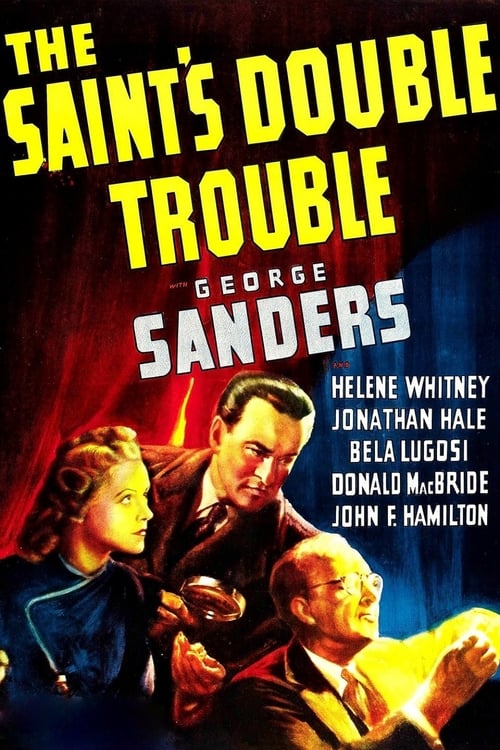
The Saint's Double Trouble
1940
No user ratings available yet
Diversity score: 1.6 out of 10
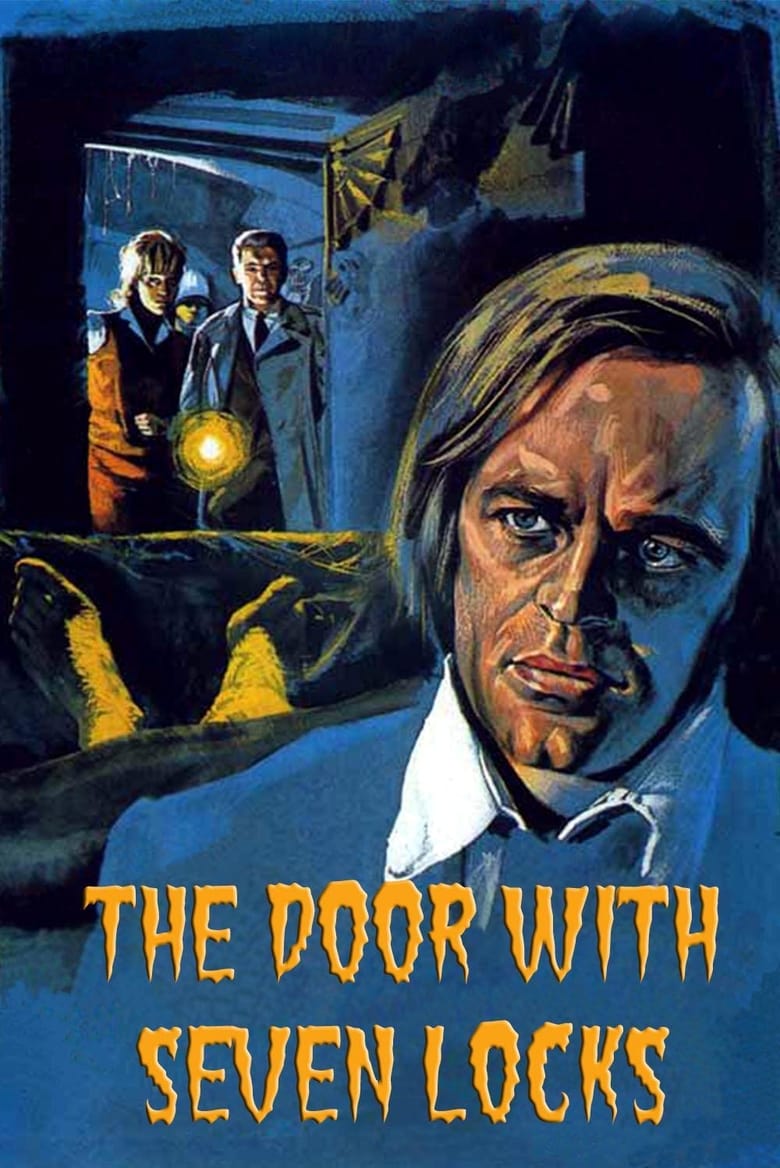
1962
Director
Alfred Vohrer
Runtime
96 minutes
Average Rating
No ratings yetSynopsis
A rich man bequeaths seven keys to seven of his friends, but only one will unlock the door to untold wealth.
Overall Score
Minimal
Category Breakdown
LGBTQ+ Representation
The film contains no LGBTQ+ characters or explorations of non-heteronormative identities. It adheres strictly to the conventional social frameworks of its era.
Gender Representation
Female characters exist within the ensemble but largely function within established social roles. The narrative prioritizes male-driven investigation and decision-making over female agency.
Racial & Ethnic Diversity
The production features a homogeneous cast that reflects the localized demographic of 1960s Germany. There is an absence of non-white or diverse ethnic characters.
Religious & Cultural Diversity
The plot operates within standard capitalist and legalistic frameworks common to the crime genre. It reinforces existing institutional structures rather than critiquing them.
Disability Representation
There is no evidence of characters with disabilities being afforded narrative agency. The film remains within the bounds of standard thriller tropes.
Strengths
Areas for Improvement
AI Analysis
The film is a quintessential product of the early 1960s European Krimi genre, reflecting the demographic homogeneity of mid-century West German cinema. Its narrative structure reinforces traditional social hierarchies rather than challenging them. Representation is limited by the historical context, with a cast that lacks racial, ethnic, or LGBTQ+ diversity. The storytelling relies on established archetypes that prioritize male agency and conventional social roles. Ultimately, the work functions as a standard genre piece that mirrors the ideological and demographic landscape of its time, offering little in the way of intersectional breadth.
1940
1966
1943
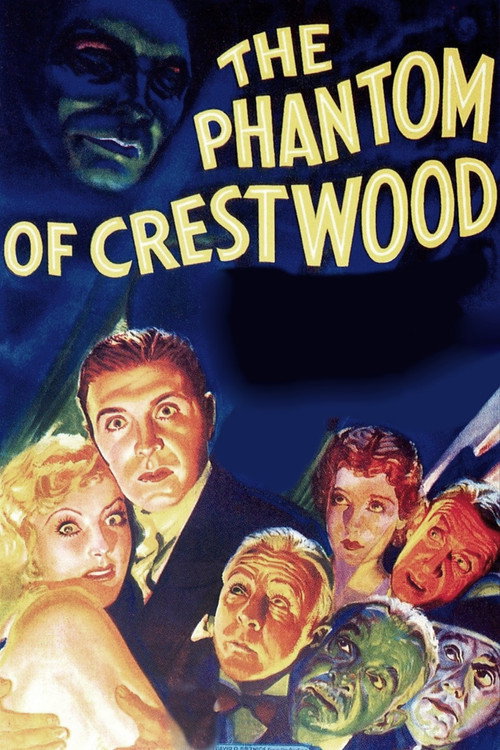
1932
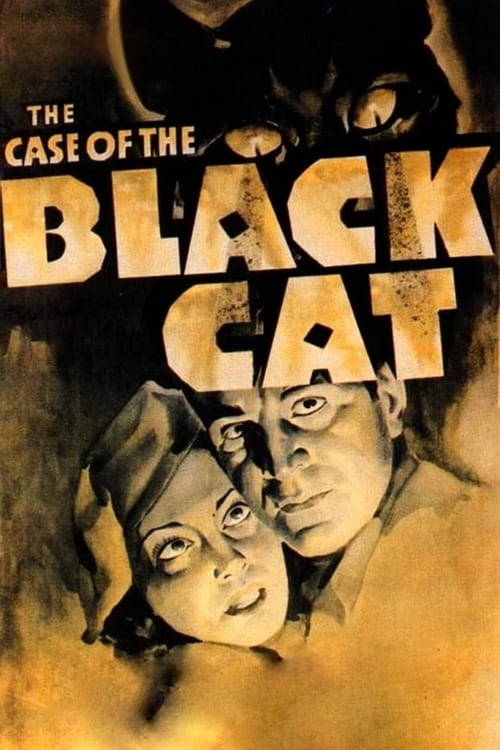
1936
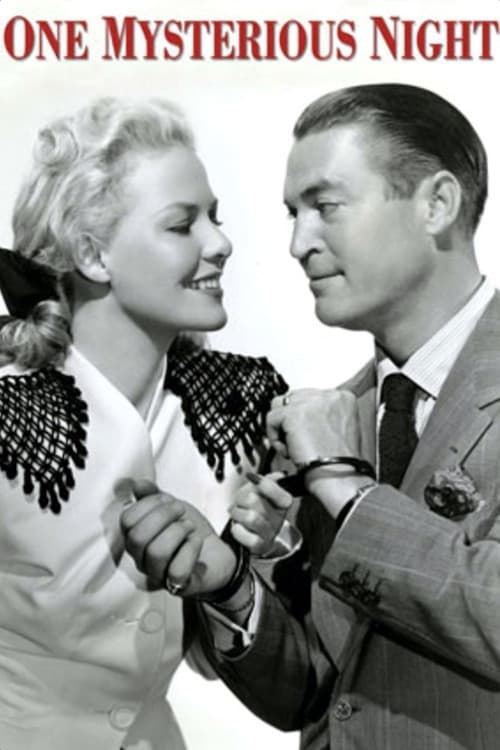
1944
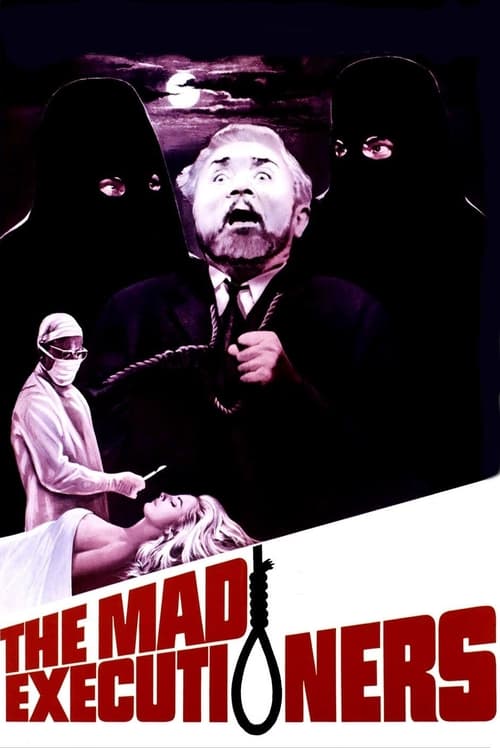
1963
1941

1944
1961
1943
1948
No reviews yet. Be the first to share your thoughts on this movie!
Use the rating form above to leave a star rating and optional review.